THE ADVENTURE COLLECTIVE® · Independent discovery and booking for outdoor travel

Move from the Nile’s broad current in Jinja to the misted cliffs above Mbale on a five-day route that combines boat visits, forest walks, and hikes to the Sipi and Itanda waterfalls. Expect coffee plantations, steep trails, and cultural stops in Bagisu communities.
Move from the Nile’s broad current in Jinja to the misted cliffs above Mbale on a five-day route that combines boat visits, forest walks, and hikes to the Sipi and Itanda waterfalls. Expect coffee plantations, steep trails, and cultural stops in Bagisu communities.
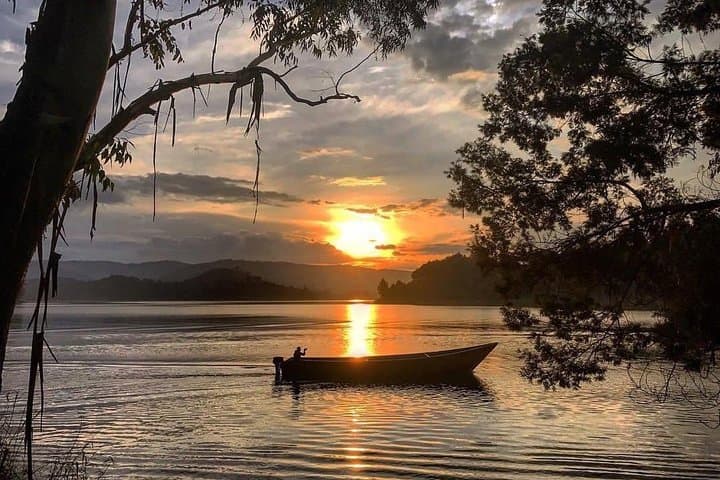
Dawn on the Nile smells of wet earth and diesel; the river pushes past town piers as your convoy peels away from Jinja toward the highlands. Over five days you move from the Nile’s broad current to the narrower, stepped canyons around Sipi, trading highway noise for coffee-scented air and the distant rumble of waterfalls.
Verified experiences and guided adventures in the surrounding area.
Operated by Happy Times Safaris · Jinja, Eastern Region
Dawn on the Nile smells of wet earth and diesel; the river pushes past town piers as your convoy peels away from Jinja toward the highlands. Over five days you move from the Nile’s broad current to the narrower, stepped canyons around Sipi, trading highway noise for coffee-scented air and the distant rumble of waterfalls.
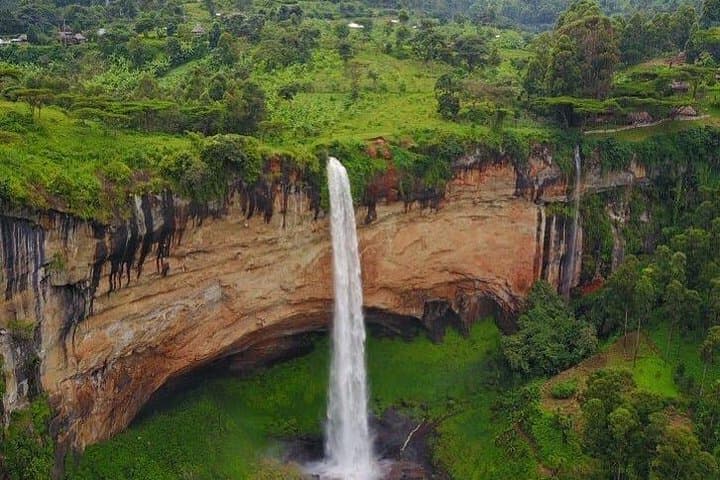
This route follows long-lived corridors of human movement: trading towns along the Nile, colonial-era plantations, and the Bagisu (Bamasaba) communities on Mount Elgon’s western flank. Geologically the area is an ancient shield rising into Mount Elgon’s basalt cliffs; rivers have carved waterfalls into volcanic rock, giving Sipi and Itanda their dramatic drops.
Daily rhythms on this itinerary mix short drives with guided nature walks — Mabira Forest birding and primate sightings, a boat-and-walk visit to the Nile’s source, and hikes to three Sipi cascades through coffee farms and terraced hills. Expect interactions with local coffee cooperatives and markets where regional culture is visible in dress, food, and farming practices.
Practical guidance: drives between stops range from 2–4 hours (Jinja–Mbale ~3 hours; Mbale–Kapchorwa ~2 hours). Sipi Falls hikes are typically 2–4 km round-trip with 200–400 m of elevation change on uneven, sometimes slippery trails; good trail shoes and a steady pace are essential. Bring rain protection year-round, a refillable water bottle, insect repellent, and local currency for small purchases and tips. Morning light is best for photography and cooler hiking; afternoons can be warm and prone to showers. With moderate fitness, clear planning, and respect for local customs, this five-day loop delivers river vistas, forest wildlife, and highland waterfall scenery.
moderate.
5 days.
Moderate — should be comfortable walking 2–4 km with some elevation gain each day
Kampala to Jinja takes about 1.5–3 hours depending on traffic; most operators schedule an early departure to avoid congestion.
Yes — local guides typically accompany visitors, offer route knowledge, and connect hikers with coffee growers and viewpoints.
The driest periods are December–February and June–August, which reduce trail slipperiness and improve visibility at viewpoints.
Families with older children who can handle rough trails will be fine; the itinerary is not recommended for travelers with significant mobility limitations due to uneven paths and steps.
The route crosses colonial-era plantation landscapes and traditional Bagisu highland communities; local coffee production and circumcision ceremonies are culturally significant in the region.
Visitors are encouraged to support community-run coffee cooperatives and stick to marked trails to limit erosion; plastic waste disposal is limited—pack it out when possible.
Happy Times Safaris operates guided outdoor trips and adventures with an emphasis on safety, stewardship, and memorable experiences.
Dawn on the Nile smells of wet earth and diesel; the river pushes past town piers as your convoy peels away from Jinja toward the highlands. Over five days you move from the Nile’s broad current to the narrower, stepped canyons around Sipi, trading highway noise for coffee-scented air and the distant rumble of waterfalls.
Dawn on the Nile smells of wet earth and diesel; the river pushes past town piers as your convoy peels away from Jinja toward the highlands. Over five days you move from the Nile’s broad current to the narrower, stepped canyons around Sipi, trading highway noise for coffee-scented air and the distant rumble of waterfalls.
This route follows long-lived corridors of human movement: trading towns along the Nile, colonial-era plantations, and the Bagisu (Bamasaba) communities on Mount Elgon’s western flank. Geologically the area is an ancient shield rising into Mount Elgon’s basalt cliffs; rivers have carved waterfalls into volcanic rock, giving Sipi and Itanda their dramatic drops.
Daily rhythms on this itinerary mix short drives with guided nature walks — Mabira Forest birding and primate sightings, a boat-and-walk visit to the Nile’s source, and hikes to three Sipi cascades through coffee farms and terraced hills. Expect interactions with local coffee cooperatives and markets where regional culture is visible in dress, food, and farming practices.
Practical guidance: drives between stops range from 2–4 hours (Jinja–Mbale ~3 hours; Mbale–Kapchorwa ~2 hours). Sipi Falls hikes are typically 2–4 km round-trip with 200–400 m of elevation change on uneven, sometimes slippery trails; good trail shoes and a steady pace are essential. Bring rain protection year-round, a refillable water bottle, insect repellent, and local currency for small purchases and tips. Morning light is best for photography and cooler hiking; afternoons can be warm and prone to showers. With moderate fitness, clear planning, and respect for local customs, this five-day loop delivers river vistas, forest wildlife, and highland waterfall scenery.