THE ADVENTURE COLLECTIVE® · Independent discovery and booking for outdoor travel

Five days of alpine trekking through the Central High Atlas, culminating on Jebel M'Goun at 4,071 m. Expect long climbs, mule-supported camps, Berber villages, and sweeping high-altitude views.
Five days of alpine trekking through the Central High Atlas, culminating on Jebel M'Goun at 4,071 m. Expect long climbs, mule-supported camps, Berber villages, and sweeping high-altitude views.
A thin cold wind pushes across the plateau as the first headlamps blink on; the ridge ahead is a serrated silhouette against a pale dawn. The 5-day Jebel M'Goun trek moves through that liminal hour—tented camps, mule trains, and high passes that dare you to keep climbing.
Verified experiences and guided adventures in the surrounding area.
Operated by Amazing Toubkal Trek · Ait Bougmez (valley), Béni Mellal-Khénifra
A thin cold wind pushes across the plateau as the first headlamps blink on; the ridge ahead is a serrated silhouette against a pale dawn. The 5-day Jebel M'Goun trek moves through that liminal hour—tented camps, mule trains, and high passes that dare you to keep climbing.
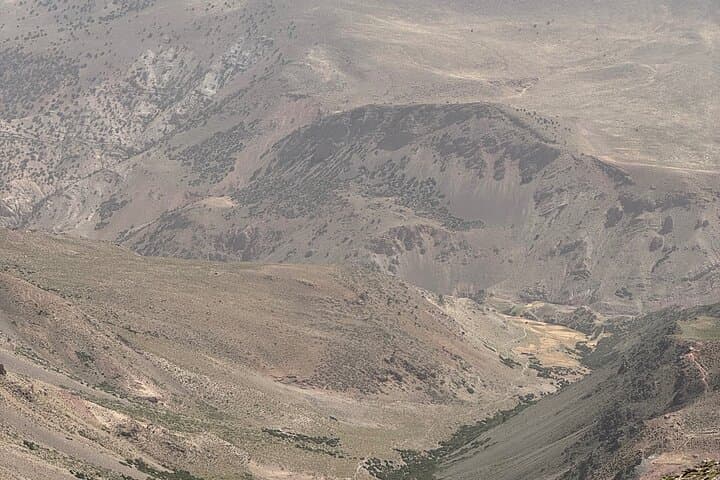
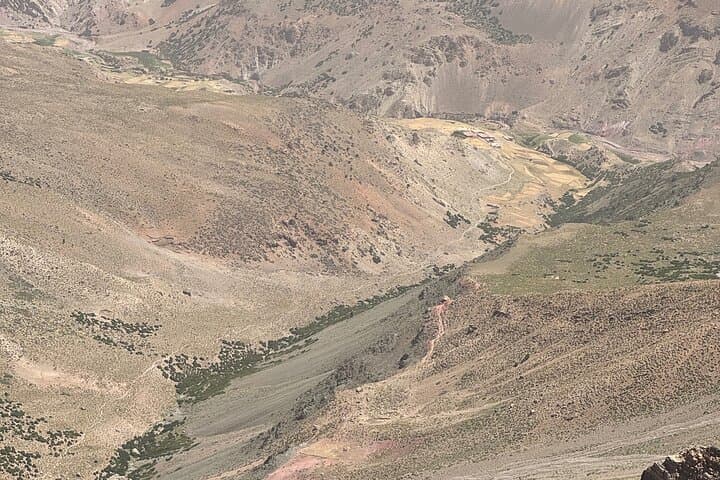
The route begins in the Ait Bougmez Valley, a wide glacial trough carved from limestone and schist where Berber villages have farmed terraced slopes for centuries. Geologically, the M'Goun massif is an uplifted block of the High Atlas; its ridgelines reveal folded strata and ochre scree. Culturally the trail threads through pastoral life—nomads, shepherds, and footpaths that predate modern maps.
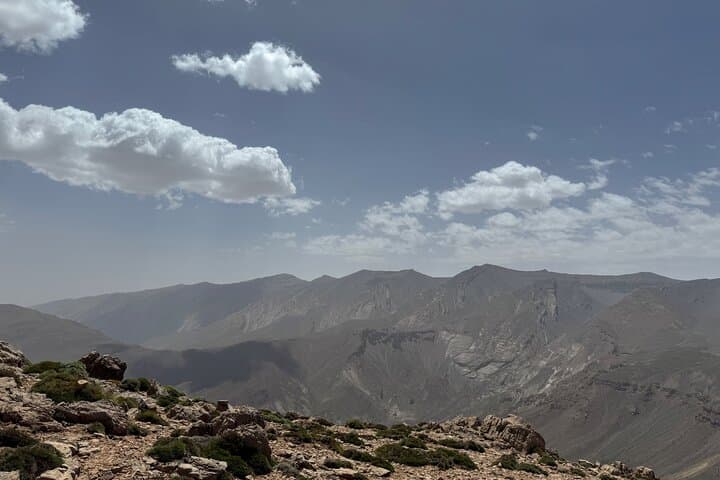
Days alternate hard climbs to passes near 3,400 m and long descents to juniper-scented valleys; the summit sits at roughly 4,071 m and rewards effort with expansive views toward the Dades and Draa valleys. Expect rocky ridgelines, wind-scoured plateaus, and camps where stars feel close enough to touch.
Practically: this is non-technical but strenuous alpine trekking. Hikers should pace conservatively on summit day, carry layered clothing for rapid weather shifts, and rely on mule support for some kit. Hydration and altitude awareness are essential—short acclimatization in Ait Bougmez helps. Timing favors late spring through early autumn for stable trails, while winter brings deep snow and need for crampons.
The trek balances raw mountain exposure with local hospitality: guesthouses in Timit, shared tents, and simple meals that reflect High Atlas flavors. For those ready to trade city noise for clear air and hard miles, M'Goun delivers a precise, memorable summit experience.
challenging.
5 days.
Good aerobic fitness with experience on sustained uphill and long-day hikes; comfortable carrying 8–12 kg or using mule support
Yes; itineraries typically include a local guide, muleteers to carry camp equipment, and campsite logistics.
No technical gear is required for the normal route—this is high-altitude trekking rather than technical mountaineering.
Late spring to early autumn (May–October) offers the most stable conditions; winter brings snow and requires alpine equipment.
Camps are used for most nights, with a final night in a guesthouse in Timit and return to Marrakech on day five.
The High Atlas is home to Berber (Amazigh) communities whose transhumant routes and stone villages have existed for centuries, shaping paths used on this trek.
Stick to established campsites, carry out waste, and use local guides to support community-based tourism and reduce grazing pressure on fragile alpine meadows.
Amazing Toubkal Trek operates guided outdoor trips and adventures with an emphasis on safety, stewardship, and memorable experiences.
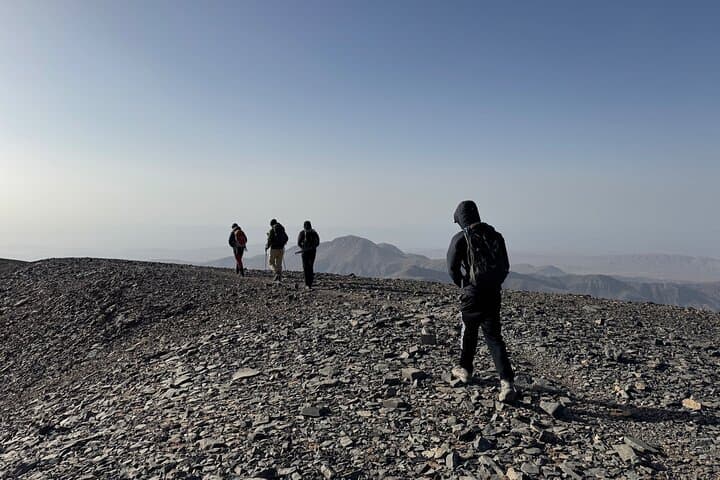
A thin cold wind pushes across the plateau as the first headlamps blink on; the ridge ahead is a serrated silhouette against a pale dawn. The 5-day Jebel M'Goun trek moves through that liminal hour—tented camps, mule trains, and high passes that dare you to keep climbing.
A thin cold wind pushes across the plateau as the first headlamps blink on; the ridge ahead is a serrated silhouette against a pale dawn. The 5-day Jebel M'Goun trek moves through that liminal hour—tented camps, mule trains, and high passes that dare you to keep climbing.
The route begins in the Ait Bougmez Valley, a wide glacial trough carved from limestone and schist where Berber villages have farmed terraced slopes for centuries. Geologically, the M'Goun massif is an uplifted block of the High Atlas; its ridgelines reveal folded strata and ochre scree. Culturally the trail threads through pastoral life—nomads, shepherds, and footpaths that predate modern maps.
Days alternate hard climbs to passes near 3,400 m and long descents to juniper-scented valleys; the summit sits at roughly 4,071 m and rewards effort with expansive views toward the Dades and Draa valleys. Expect rocky ridgelines, wind-scoured plateaus, and camps where stars feel close enough to touch.
Practically: this is non-technical but strenuous alpine trekking. Hikers should pace conservatively on summit day, carry layered clothing for rapid weather shifts, and rely on mule support for some kit. Hydration and altitude awareness are essential—short acclimatization in Ait Bougmez helps. Timing favors late spring through early autumn for stable trails, while winter brings deep snow and need for crampons.
The trek balances raw mountain exposure with local hospitality: guesthouses in Timit, shared tents, and simple meals that reflect High Atlas flavors. For those ready to trade city noise for clear air and hard miles, M'Goun delivers a precise, memorable summit experience.