THE ADVENTURE COLLECTIVE® · Independent discovery and booking for outdoor travel

A brisk five‑day sweep across Java that pairs UNESCO temples with volcanic extremes: sunrise at Borobudur and Prambanan, a Jeep and stair climb at Bromo, and a midnight trek to Ijen’s blue fire. Expect early mornings, volcanic fumes, and a practical mix of culture and geology.
A brisk five‑day sweep across Java that pairs UNESCO temples with volcanic extremes: sunrise at Borobudur and Prambanan, a Jeep and stair climb at Bromo, and a midnight trek to Ijen’s blue fire. Expect early mornings, volcanic fumes, and a practical mix of culture and geology.
You step out of an air‑conditioned train into Yogyakarta at dusk, rice paddies blurring past and the scent of frying tempeh in the street. Over five days this route moves fast: ancient stone temples at sunrise, an otherworldly sea of volcanic sand at dawn, and a midnight climb to a crater where sulfur burns blue.
Verified experiences and guided adventures in the surrounding area.
Operated by Journeast Indonesia Tour and Travel · Yogyakarta, Special Region of Yogyakarta
You step out of an air‑conditioned train into Yogyakarta at dusk, rice paddies blurring past and the scent of frying tempeh in the street. Over five days this route moves fast: ancient stone temples at sunrise, an otherworldly sea of volcanic sand at dawn, and a midnight climb to a crater where sulfur burns blue.
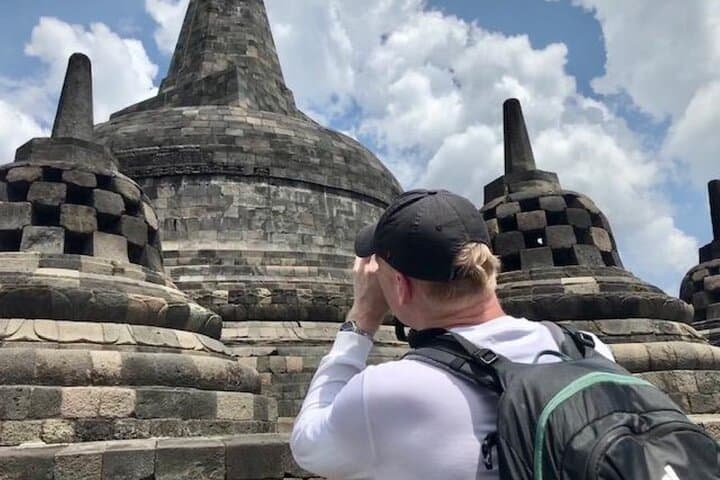
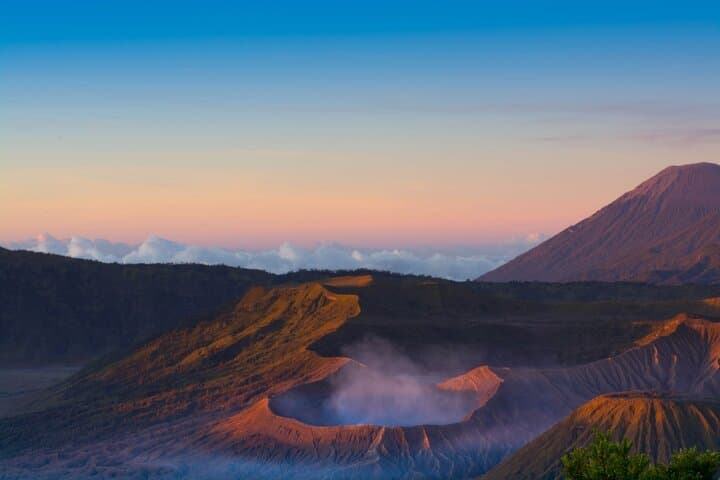
Borobudur (42 m high) and Prambanan (Shiva temple ~47 m) are mirror chapters of Java’s classical age — the former a layered Buddhist mandala carved with 2,672 reliefs, the latter a vertical Hindu complex featuring Ramayana bas‑reliefs. Geology takes center stage at Bromo (2,329 m) and Ijen (2,443 m): semidormant cones, a vast caldera and a fiercely acidic turquoise lake fuel landscapes that feel sculpted by molten rock and wind. At Ijen the blue fire is sulfur gas igniting at vent mouths; miners still cut and carry sulfur on the crater floor.
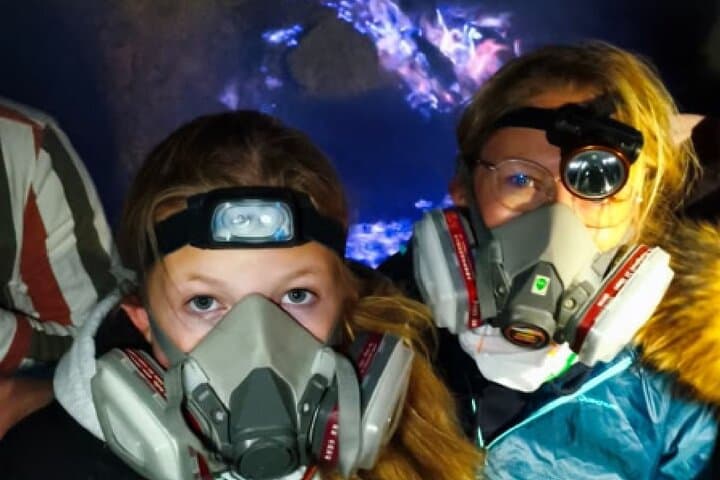
Expect pre‑dawn starts, cold air on the ridgeline and strong sulfur scent near fumaroles. Distances are modest but steep: the typical Ijen approach is a 2–3 hour roundtrip hike with ~300–400 m cumulative ascent and a crater descent for close views; the Bromo rim requires a short climb of several hundred steps from the Sea of Sand after a jeep transfer. Practical notes: pack a headlamp, gas mask (often provided), layered clothing for 0–15°C mornings, sturdy boots and a small daypack.
This itinerary mixes cultural monuments, guided transfers and multi‑modal travel (train, jeep, ferry). Plan early wakeups, allow time for narrow roads and ferry schedules, and respect active‑volcano advisories and local guides’ instructions for safety.
challenging.
5 days.
Moderate to good fitness required—able to manage 2–4 hour uphill hikes at high altitude and multiple early-morning wakeups.
The Ijen hike is a 2–3 hour pre‑dawn trek with steep sections and about 300–400 m total ascent; it’s physically demanding but non‑technical—good fitness and a steady pace are important.
This package includes entrance fees and local guides at Borobudur, Prambanan, Bromo and Ijen as described—confirm specific inclusions on booking details.
Blue fire visibility depends on wind and volcanic conditions; hiking at midnight with a guide maximizes chances, but sightings cannot be guaranteed.
Not recommended for travelers with spinal, heart conditions or for very young children due to steep climbs, long transfers and early starts.
Borobudur and Prambanan reflect 8th–9th century Javanese kingdoms—Borobudur a grand Buddhist monument, Prambanan a high-point of Hindu architecture, both UNESCO sites.
Active volcanoes and temple complexes require responsible visitation—stay on marked paths, avoid touching fragile reliefs and follow guides to minimize erosion and disturbance.
Journeast Indonesia Tour and Travel operates guided outdoor trips and adventures with an emphasis on safety, stewardship, and memorable experiences.
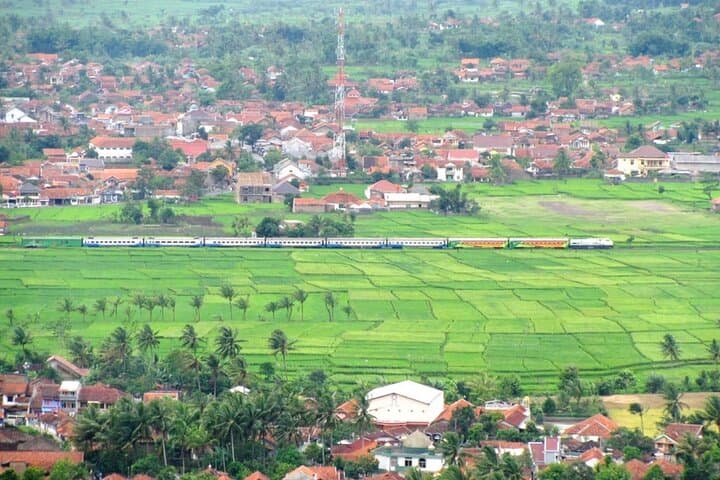
You step out of an air‑conditioned train into Yogyakarta at dusk, rice paddies blurring past and the scent of frying tempeh in the street. Over five days this route moves fast: ancient stone temples at sunrise, an otherworldly sea of volcanic sand at dawn, and a midnight climb to a crater where sulfur burns blue.
You step out of an air‑conditioned train into Yogyakarta at dusk, rice paddies blurring past and the scent of frying tempeh in the street. Over five days this route moves fast: ancient stone temples at sunrise, an otherworldly sea of volcanic sand at dawn, and a midnight climb to a crater where sulfur burns blue.
Borobudur (42 m high) and Prambanan (Shiva temple ~47 m) are mirror chapters of Java’s classical age — the former a layered Buddhist mandala carved with 2,672 reliefs, the latter a vertical Hindu complex featuring Ramayana bas‑reliefs. Geology takes center stage at Bromo (2,329 m) and Ijen (2,443 m): semidormant cones, a vast caldera and a fiercely acidic turquoise lake fuel landscapes that feel sculpted by molten rock and wind. At Ijen the blue fire is sulfur gas igniting at vent mouths; miners still cut and carry sulfur on the crater floor.
Expect pre‑dawn starts, cold air on the ridgeline and strong sulfur scent near fumaroles. Distances are modest but steep: the typical Ijen approach is a 2–3 hour roundtrip hike with ~300–400 m cumulative ascent and a crater descent for close views; the Bromo rim requires a short climb of several hundred steps from the Sea of Sand after a jeep transfer. Practical notes: pack a headlamp, gas mask (often provided), layered clothing for 0–15°C mornings, sturdy boots and a small daypack.
This itinerary mixes cultural monuments, guided transfers and multi‑modal travel (train, jeep, ferry). Plan early wakeups, allow time for narrow roads and ferry schedules, and respect active‑volcano advisories and local guides’ instructions for safety.