THE ADVENTURE COLLECTIVE® · Independent discovery and booking for outdoor travel

A five-day private car tour from Hanoi through Ha Giang and Hoang Su Phi traces Vietnam’s northernmost karst plateau, terraced rice fields and ethnic markets. Expect long scenic drives, short cultural walks, a river boat trip and homestays with panoramic mountain views.
A five-day private car tour from Hanoi through Ha Giang and Hoang Su Phi traces Vietnam’s northernmost karst plateau, terraced rice fields and ethnic markets. Expect long scenic drives, short cultural walks, a river boat trip and homestays with panoramic mountain views.
Morning light slices across limestone ridges as the car eases out of Hanoi and the lowlands fall away. By afternoon the road climbs into hard, wind-sculpted karst and terraced slopes—Ha Giang announces itself by altitude and attitude. Drivers take the so-called “Happiness Road” past switchbacks that peer down to the Nho Que River; villages punctuate the highway with stilt houses, woven textiles and markets where Hmong, Dao and Tay people trade by voice and barter.
Verified experiences and guided adventures in the surrounding area.
Operated by Local Tours Ha Giang · Ha Giang, Ha Giang Province
Morning light slices across limestone ridges as the car eases out of Hanoi and the lowlands fall away. By afternoon the road climbs into hard, wind-sculpted karst and terraced slopes—Ha Giang announces itself by altitude and attitude. Drivers take the so-called “Happiness Road” past switchbacks that peer down to the Nho Que River; villages punctuate the highway with stilt houses, woven textiles and markets where Hmong, Dao and Tay people trade by voice and barter.
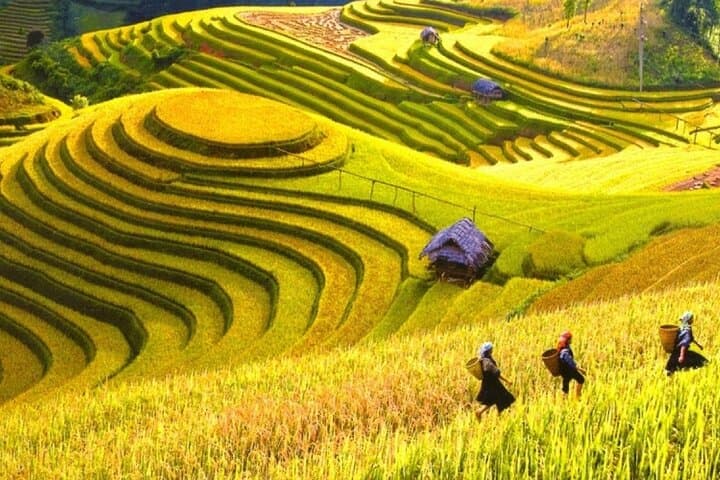
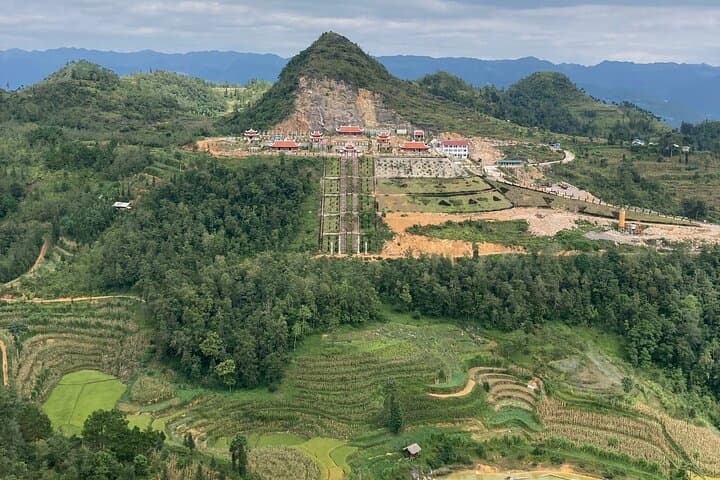
This route crosses the Dong Van Karst Plateau Global Geopark, a geological record of uplifted limestone folded into jagged lungs of rock over millions of years. Settlements here preserve centuries-old customs—Pao’s House and the Hmong King’s Palace recall periods of regional power and trade. Hoang Su Phi’s rice terraces are living agricultural engineering, shaped by monsoon rhythms and Dao land stewardship; in late September and October fields turn gold, while spring brings flooded nursery paddies.
Expect a mixed program: long road segments by private car, short guided walks through markets and villages, a boat trip on the Nho Que, and homestay nights where paths are uneven and stairs frequent. Weather shifts quickly at elevation—sun can give way to wind and rain—so plan for layered clothing, cash for small vendors and modest bargaining. Hydrate between stops, move slowly on steep village steps, and allow extra time for photography and market browsing; the route rewards patience with landscapes that change turn by turn.
moderate.
5 days.
Suitable for travelers in average fitness—walks are short but surfaces can be uneven and at altitude; be prepared for climbing stairs and short hikes.
Yes—this private tour includes a 7–16 seat car with driver for the full itinerary.
Accommodations alternate between local hotels and homestays; expect simple rooms in homestays and standard hotels in Ha Giang and Dong Van.
Most meals are included (breakfasts, lunches and dinners specified in the itinerary), with occasional local restaurant meals and homestay dinners.
The tour involves uneven village paths, steps and boardwalks—travelers with significant mobility limitations should consult the operator beforehand.
This region sits on the Dong Van Karst Plateau, a UNESCO Global Geopark where migration routes, border trade and minority kingdoms shaped a distinct highland culture.
Terraced agriculture and fragile karst require careful foot traffic; stick to paths, avoid littering and support homestays that follow sustainable waste and water practices.
Local Tours Ha Giang operates guided outdoor trips and adventures with an emphasis on safety, stewardship, and memorable experiences.
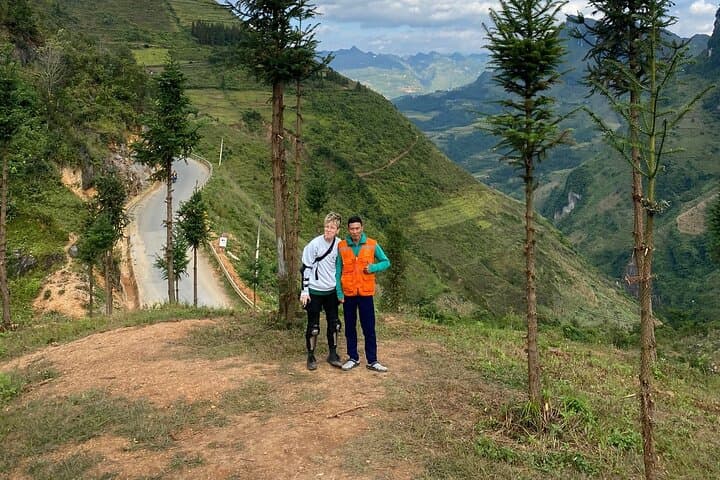
Morning light slices across limestone ridges as the car eases out of Hanoi and the lowlands fall away. By afternoon the road climbs into hard, wind-sculpted karst and terraced slopes—Ha Giang announces itself by altitude and attitude. Drivers take the so-called “Happiness Road” past switchbacks that peer down to the Nho Que River; villages punctuate the highway with stilt houses, woven textiles and markets where Hmong, Dao and Tay people trade by voice and barter.
Morning light slices across limestone ridges as the car eases out of Hanoi and the lowlands fall away. By afternoon the road climbs into hard, wind-sculpted karst and terraced slopes—Ha Giang announces itself by altitude and attitude. Drivers take the so-called “Happiness Road” past switchbacks that peer down to the Nho Que River; villages punctuate the highway with stilt houses, woven textiles and markets where Hmong, Dao and Tay people trade by voice and barter.
This route crosses the Dong Van Karst Plateau Global Geopark, a geological record of uplifted limestone folded into jagged lungs of rock over millions of years. Settlements here preserve centuries-old customs—Pao’s House and the Hmong King’s Palace recall periods of regional power and trade. Hoang Su Phi’s rice terraces are living agricultural engineering, shaped by monsoon rhythms and Dao land stewardship; in late September and October fields turn gold, while spring brings flooded nursery paddies.
Expect a mixed program: long road segments by private car, short guided walks through markets and villages, a boat trip on the Nho Que, and homestay nights where paths are uneven and stairs frequent. Weather shifts quickly at elevation—sun can give way to wind and rain—so plan for layered clothing, cash for small vendors and modest bargaining. Hydrate between stops, move slowly on steep village steps, and allow extra time for photography and market browsing; the route rewards patience with landscapes that change turn by turn.