THE ADVENTURE COLLECTIVE® · Independent discovery and booking for outdoor travel

Spend five active days on Santa Cruz Island exploring highland tortoises, beginner dives with rich marine life, horseback rides to Cerro Mesa and cycling and kayaking at Garrapatero. This guided itinerary balances land and sea with conservation-focused insights and locally certified guides.
Spend five active days on Santa Cruz Island exploring highland tortoises, beginner dives with rich marine life, horseback rides to Cerro Mesa and cycling and kayaking at Garrapatero. This guided itinerary balances land and sea with conservation-focused insights and locally certified guides.
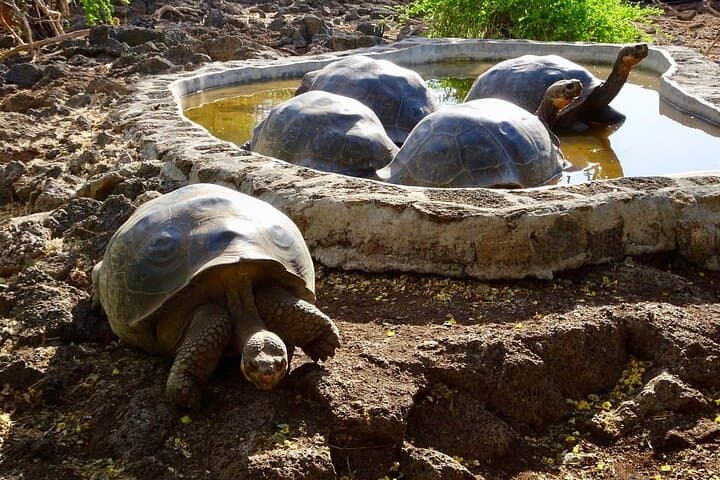
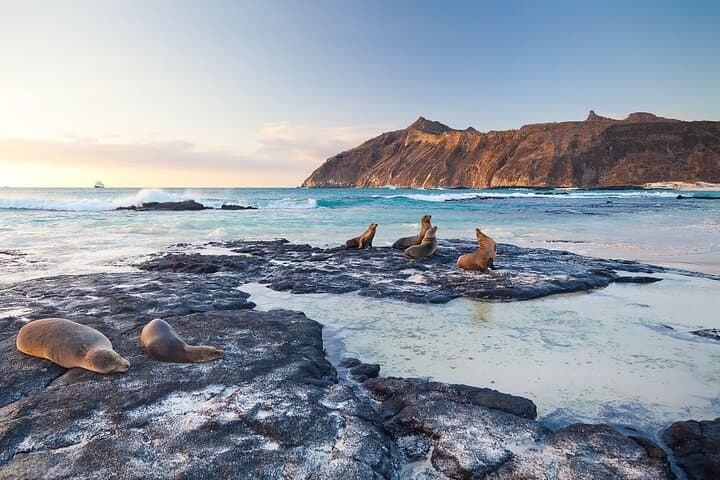
The morning air in Puerto Ayora tastes of salt and volcanic stone as guides gather the group and load bikes, kayaks and saddles. You start inland, climbing into the highlands where the trail opens onto patchwork lava fields and the slow, methodical lives of giant tortoises. By midday the sea calls: clear water, rocky reef edges and the sudden flash of a sea lion that darts like a bronze arrow.
Verified experiences and guided adventures in the surrounding area.
Operated by Ecuador Galapagos Travels · Puerto Ayora, Santa Cruz Island
The morning air in Puerto Ayora tastes of salt and volcanic stone as guides gather the group and load bikes, kayaks and saddles. You start inland, climbing into the highlands where the trail opens onto patchwork lava fields and the slow, methodical lives of giant tortoises. By midday the sea calls: clear water, rocky reef edges and the sudden flash of a sea lion that darts like a bronze arrow.
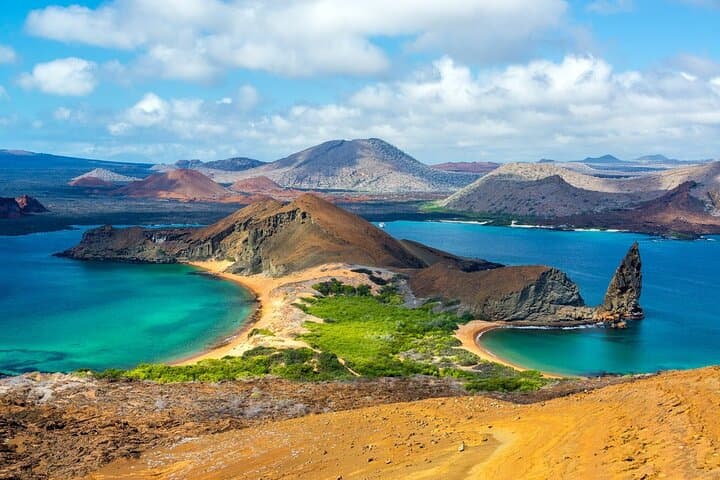
The Galápagos archipelago is geologically young—volcanic islands created by hotspot activity—and Santa Cruz shows that process in exposed lava, inland sinkholes and a contrast between arid coastal scrub and humid Scalesia forest. Culturally, Puerto Ayora grew from fishing outpost to research hub; the Charles Darwin Research Station anchors conservation work you'll visit. Expect interpretive stops about invasive species control, turtle breeding programs and the park’s permitting that shapes where boats and divers can go.
Practically, days are active but manageable: guided horseback in the highlands, two supervised shallow dives (intro to 10 m), cycling on dirt roads, and a kayak around Garrapatero. Guides handle logistics and most equipment; still bring a well-fitting daypack, water, reef-safe sunscreen and a spare set of dry clothes for transitions. Timing matters—early starts avoid heat and boat traffic, while low tide changes shore access. If you want close encounters with tortoises or sea lions, move slowly and follow your guide’s approach protocols. This is a multi-day blend of land and sea that rewards steady pacing, basic swim confidence, and curiosity about how island ecosystems are both fragile and fiercely alive.
moderate.
5 days.
Participants should have a moderate level of fitness—comfortable walking and basic swimming ability for shallow dives and kayaking
No—dives on this trip are introductory up to about 10 m with instructor supervision and do not confer certification; basic swim skills are required.
Yes—4 nights in tourist-class accommodation and meals per itinerary (breakfasts and lunches) are included as described.
Both are moderate: horseback is on gentle trails in the highlands; cycling uses dirt roads—basic balance and stamina are sufficient.
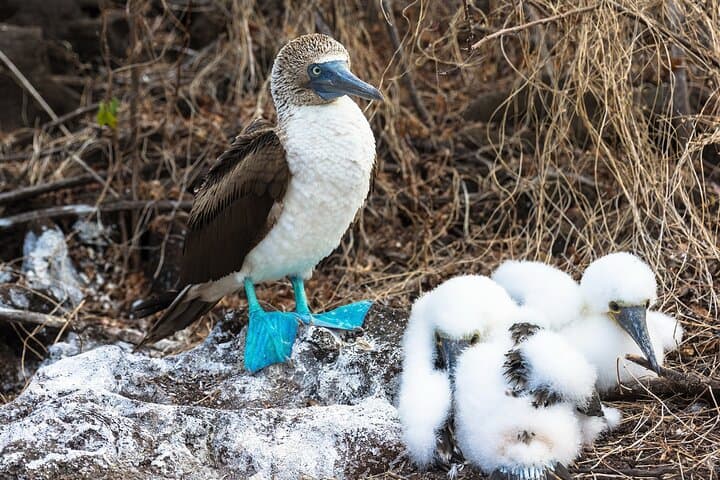
Expect giant tortoises in the highlands, marine iguanas, sea lions, and frequent tropical fish while snorkeling or diving.
Puerto Ayora evolved from a 19th-century fishing and whaling outpost into a research-focused town anchored by the Charles Darwin Research Station.
The Galápagos National Park tightly controls visitor sites and boat access; stay on marked trails, avoid bringing foods that can introduce invasive species, and use guides certified in park protocols.
Ecuador Galapagos Travels operates guided outdoor trips and adventures with an emphasis on safety, stewardship, and memorable experiences.
The morning air in Puerto Ayora tastes of salt and volcanic stone as guides gather the group and load bikes, kayaks and saddles. You start inland, climbing into the highlands where the trail opens onto patchwork lava fields and the slow, methodical lives of giant tortoises. By midday the sea calls: clear water, rocky reef edges and the sudden flash of a sea lion that darts like a bronze arrow.
The morning air in Puerto Ayora tastes of salt and volcanic stone as guides gather the group and load bikes, kayaks and saddles. You start inland, climbing into the highlands where the trail opens onto patchwork lava fields and the slow, methodical lives of giant tortoises. By midday the sea calls: clear water, rocky reef edges and the sudden flash of a sea lion that darts like a bronze arrow.
The Galápagos archipelago is geologically young—volcanic islands created by hotspot activity—and Santa Cruz shows that process in exposed lava, inland sinkholes and a contrast between arid coastal scrub and humid Scalesia forest. Culturally, Puerto Ayora grew from fishing outpost to research hub; the Charles Darwin Research Station anchors conservation work you'll visit. Expect interpretive stops about invasive species control, turtle breeding programs and the park’s permitting that shapes where boats and divers can go.
Practically, days are active but manageable: guided horseback in the highlands, two supervised shallow dives (intro to 10 m), cycling on dirt roads, and a kayak around Garrapatero. Guides handle logistics and most equipment; still bring a well-fitting daypack, water, reef-safe sunscreen and a spare set of dry clothes for transitions. Timing matters—early starts avoid heat and boat traffic, while low tide changes shore access. If you want close encounters with tortoises or sea lions, move slowly and follow your guide’s approach protocols. This is a multi-day blend of land and sea that rewards steady pacing, basic swim confidence, and curiosity about how island ecosystems are both fragile and fiercely alive.