THE ADVENTURE COLLECTIVE® · Independent discovery and booking for outdoor travel

Fly into Kisoro, canoe across Lake Mutanda and hike into Bwindi Impenetrable Forest to spend time with mountain gorillas. This five‑day private safari combines gorilla trekking, Batwa cultural walks and lake canoeing with eco-lodge stays.
Fly into Kisoro, canoe across Lake Mutanda and hike into Bwindi Impenetrable Forest to spend time with mountain gorillas. This five‑day private safari combines gorilla trekking, Batwa cultural walks and lake canoeing with eco-lodge stays.
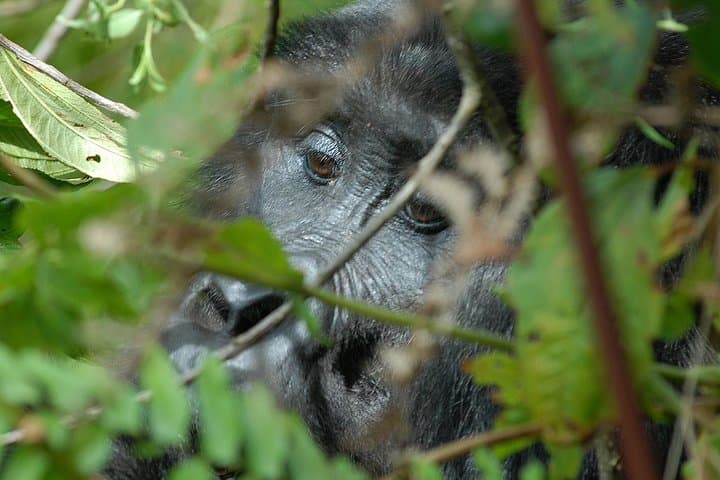
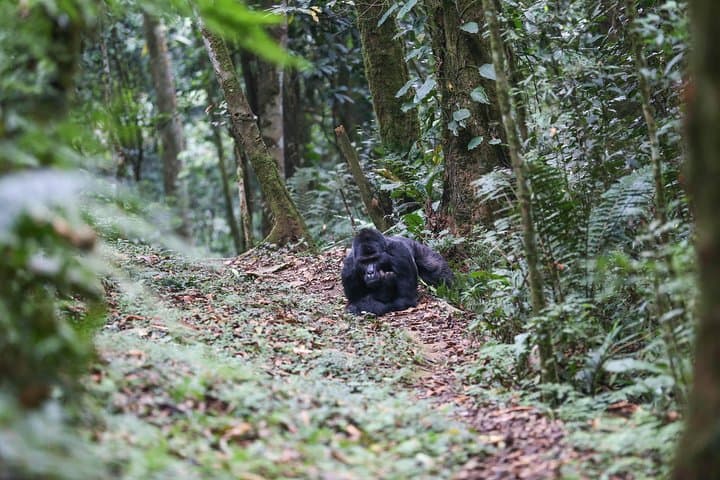
You step off the small Aerolink plane into crisp highland air at Kisoro, then follow a narrow road that climbs into mist and emerald slopes. A dugout canoe parts glassy channels on Lake Mutanda, the oars whispering against papyrus while distant Virunga volcanoes keep watch; later the forest swallows the trail as you move under orchids and strangler figs toward a family of mountain gorillas.
Verified experiences and guided adventures in the surrounding area.
Operated by Nkuringo Safaris Ltd · Kisoro, Kisoro District
You step off the small Aerolink plane into crisp highland air at Kisoro, then follow a narrow road that climbs into mist and emerald slopes. A dugout canoe parts glassy channels on Lake Mutanda, the oars whispering against papyrus while distant Virunga volcanoes keep watch; later the forest swallows the trail as you move under orchids and strangler figs toward a family of mountain gorillas.
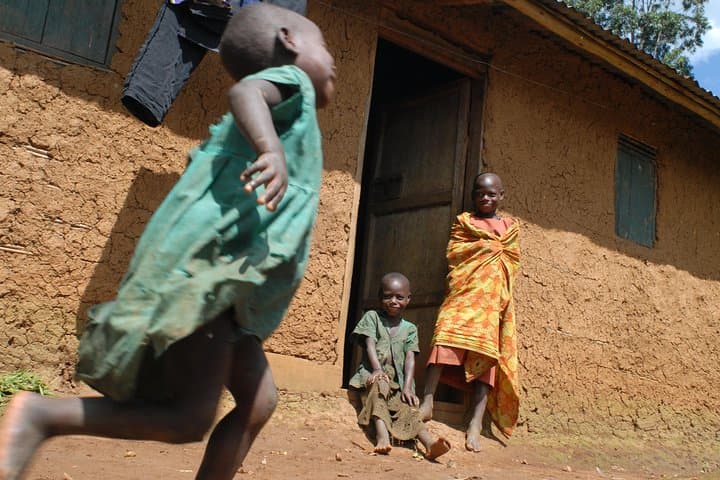
Bwindi sits on the western arm of the Albertine Rift, where rugged volcanic geology and heavy rains built steep ridges and an unusually biodiverse forest. The park earned UNESCO recognition because of its critically endangered mountain gorillas and long human history — the Batwa people once lived as forest hunter-gatherers and now share cultural walks that explain their connection to the land.
Expect variable terrain: muddy, steep, and root-strewn paths that can turn a short distance into a half-day effort. Gorilla tracking times vary from one to seven hours; the itinerary includes a 2–3 hour canoe across Lake Mutanda, a 9 km village walk to Rubuguri, and guided forest treks from Nkuringo.
Practical guidance: permits and guided park briefings are required; bring a lightweight rain shell, sturdy ankle-support boots, gloves for brambly sections, and a daypack with water, snacks, and a camera with a quiet shutter. Respect rules in gorilla encounters—stay low, avoid direct eye contact, and follow your guide’s instructions. This is a hands-on conservation trip: a mix of wildlife intensity, cultural exchange, and sustained hiking that rewards patience with unforgettable close-up time among one of Earth's most intelligent and endangered species.
moderate.
5 days.
Moderate fitness required—comfortable with sustained uphill and uneven terrain, hikes up to most of a day.
Yes—permits are limited and should be booked well ahead, especially in high season; tour operators usually secure permits for you.
Tracking varies by gorilla group location; expect anywhere from 1–7 hours on foot through steep, muddy terrain, plus a briefing at park HQ.
Children are sometimes allowed but rules and minimum ages vary; physical ability matters more than age—check operator and permit restrictions.
Due to disease risk to gorillas, visitors should be in good health, avoid visiting if ill, consider wearing masks, and follow guide instructions on proximity.
Bwindi lies on the Albertine Rift and was designated a UNESCO World Heritage site for its gorilla populations; the Batwa people were displaced when the park was created and now share cultural tourism to sustain livelihoods.
Gorilla tourism funds anti‑poaching, community projects and Batwa initiatives; visitors should minimize impact by staying on trails, not feeding wildlife, and following all park rules.
Nkuringo Safaris Ltd operates guided outdoor trips and adventures with an emphasis on safety, stewardship, and memorable experiences.

You step off the small Aerolink plane into crisp highland air at Kisoro, then follow a narrow road that climbs into mist and emerald slopes. A dugout canoe parts glassy channels on Lake Mutanda, the oars whispering against papyrus while distant Virunga volcanoes keep watch; later the forest swallows the trail as you move under orchids and strangler figs toward a family of mountain gorillas.
You step off the small Aerolink plane into crisp highland air at Kisoro, then follow a narrow road that climbs into mist and emerald slopes. A dugout canoe parts glassy channels on Lake Mutanda, the oars whispering against papyrus while distant Virunga volcanoes keep watch; later the forest swallows the trail as you move under orchids and strangler figs toward a family of mountain gorillas.
Bwindi sits on the western arm of the Albertine Rift, where rugged volcanic geology and heavy rains built steep ridges and an unusually biodiverse forest. The park earned UNESCO recognition because of its critically endangered mountain gorillas and long human history — the Batwa people once lived as forest hunter-gatherers and now share cultural walks that explain their connection to the land.
Expect variable terrain: muddy, steep, and root-strewn paths that can turn a short distance into a half-day effort. Gorilla tracking times vary from one to seven hours; the itinerary includes a 2–3 hour canoe across Lake Mutanda, a 9 km village walk to Rubuguri, and guided forest treks from Nkuringo.
Practical guidance: permits and guided park briefings are required; bring a lightweight rain shell, sturdy ankle-support boots, gloves for brambly sections, and a daypack with water, snacks, and a camera with a quiet shutter. Respect rules in gorilla encounters—stay low, avoid direct eye contact, and follow your guide’s instructions. This is a hands-on conservation trip: a mix of wildlife intensity, cultural exchange, and sustained hiking that rewards patience with unforgettable close-up time among one of Earth's most intelligent and endangered species.