THE ADVENTURE COLLECTIVE® · Independent discovery and booking for outdoor travel

Spend five days tracking mountain gorillas in Bwindi and chimpanzees in Kibale on a lodge-based safari that combines long scenic drives with immersive primate encounters. Prepare for muddy, steep trails, early starts and an experience that hinges on permits and responsible tourism.
Spend five days tracking mountain gorillas in Bwindi and chimpanzees in Kibale on a lodge-based safari that combines long scenic drives with immersive primate encounters. Prepare for muddy, steep trails, early starts and an experience that hinges on permits and responsible tourism.
Morning mist clings to the ancient forest as your guide parts a curtain of ferns and you move toward the rumble of life — a silverback pauses, eyes locked, the group holding a respectful distance. The sound of primates in Bwindi and Kibale is immediate: close, unpredictable, and entirely present.
Verified experiences and guided adventures in the surrounding area.
Operated by Iconic Travel Services · Buhoma, Kanungu District
Morning mist clings to the ancient forest as your guide parts a curtain of ferns and you move toward the rumble of life — a silverback pauses, eyes locked, the group holding a respectful distance. The sound of primates in Bwindi and Kibale is immediate: close, unpredictable, and entirely present.
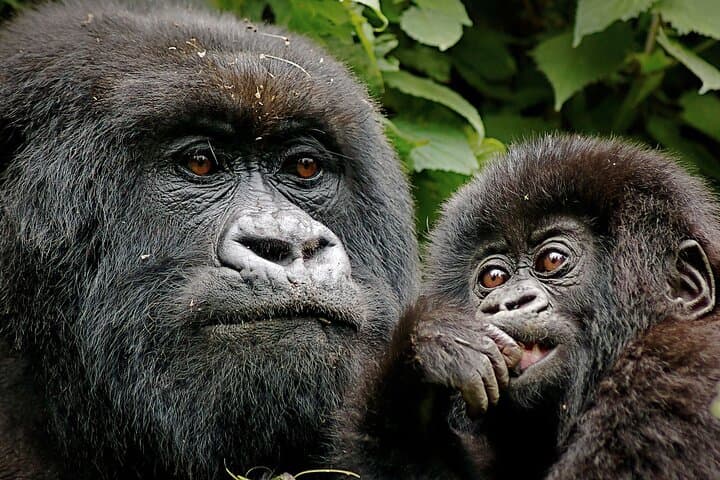
Bwindi Impenetrable National Park is one of Africa’s last mountain rainforests, its granite ridges and steep valleys sheltering mountain gorillas that survived the ice ages here. Kibale Forest, lower and older in its soil, hosts one of the highest densities of chimpanzees on the continent; nearby crater lakes and the Rwenzori foothills shape the route between parks. The Batwa community and decades of conservation work are woven into park life — visits support local economies and fund protection.
This five-day itinerary moves from Entebbe through long scenic drives (expect 5–10 hours on transfer days) to lodge-based trekking: gorilla treks commonly take 2–8 hours depending on gorilla movements, with one hour permitted near a habituated group; chimp tracking in Kibale is shorter but equally immersive. Trails are steep, muddy and between roughly 1,100–2,600 m elevation — sturdy boots, a waterproof layer and trekking poles matter.
Practicalities: a Uganda Wildlife Authority permit is required for gorilla encounters and should be booked well in advance; follow guides’ instructions on distancing and hygiene to protect primates. Plan for early starts, unpredictable weather, and simple lodges that focus on proximity to wildlife rather than luxury. With preparation, the routes reward you with sustained, close encounters that remain the high point of any African trekking season.
challenging.
5 days.
Be in good aerobic shape and able to hike 2–8 hours on uneven, often steep terrain; basic acclimatization helps.
Yes. Gorilla permits are mandatory, limited in number and issued by the Uganda Wildlife Authority; arrange them through operators well before travel.
Trek times vary from 2–8 hours depending on gorilla locations; visitors are typically allowed one hour with a habituated group and must maintain the distance advised by guides.
Uganda typically enforces a minimum age (commonly 15) for gorilla treks to protect both children and the animals — confirm current rules when booking.
Guides will assess conditions and may offer alternative experiences such as community visits or nature walks; most operators can arrange porters for added support.
Bwindi and Kibale are biologically ancient forests that have been home to indigenous Batwa communities and later conservation initiatives that balance tourism and local livelihoods.
Gorilla and chimp tracking is tightly regulated — permits fund protection and community projects; maintain hygiene, avoid close contact and follow guide instructions to minimize impact.
Iconic Travel Services operates guided outdoor trips and adventures with an emphasis on safety, stewardship, and memorable experiences.
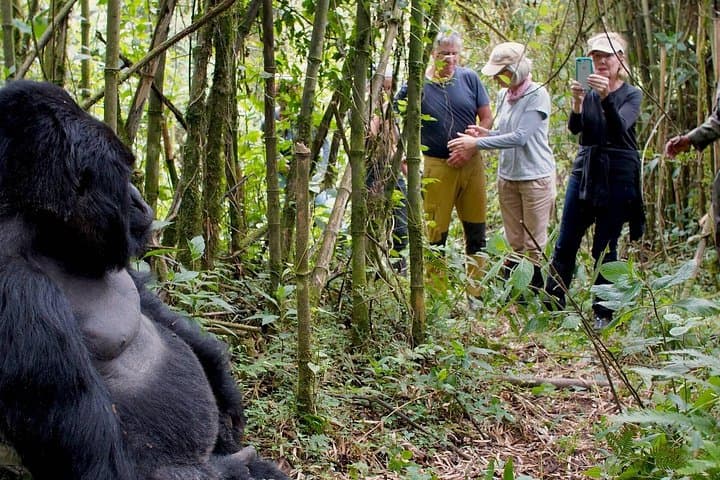
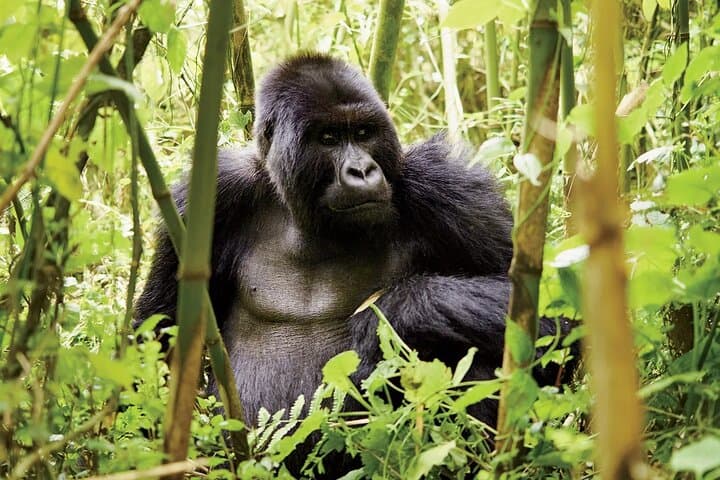
Morning mist clings to the ancient forest as your guide parts a curtain of ferns and you move toward the rumble of life — a silverback pauses, eyes locked, the group holding a respectful distance. The sound of primates in Bwindi and Kibale is immediate: close, unpredictable, and entirely present.
Morning mist clings to the ancient forest as your guide parts a curtain of ferns and you move toward the rumble of life — a silverback pauses, eyes locked, the group holding a respectful distance. The sound of primates in Bwindi and Kibale is immediate: close, unpredictable, and entirely present.
Bwindi Impenetrable National Park is one of Africa’s last mountain rainforests, its granite ridges and steep valleys sheltering mountain gorillas that survived the ice ages here. Kibale Forest, lower and older in its soil, hosts one of the highest densities of chimpanzees on the continent; nearby crater lakes and the Rwenzori foothills shape the route between parks. The Batwa community and decades of conservation work are woven into park life — visits support local economies and fund protection.
This five-day itinerary moves from Entebbe through long scenic drives (expect 5–10 hours on transfer days) to lodge-based trekking: gorilla treks commonly take 2–8 hours depending on gorilla movements, with one hour permitted near a habituated group; chimp tracking in Kibale is shorter but equally immersive. Trails are steep, muddy and between roughly 1,100–2,600 m elevation — sturdy boots, a waterproof layer and trekking poles matter.
Practicalities: a Uganda Wildlife Authority permit is required for gorilla encounters and should be booked well in advance; follow guides’ instructions on distancing and hygiene to protect primates. Plan for early starts, unpredictable weather, and simple lodges that focus on proximity to wildlife rather than luxury. With preparation, the routes reward you with sustained, close encounters that remain the high point of any African trekking season.