THE ADVENTURE COLLECTIVE® · Independent discovery and booking for outdoor travel

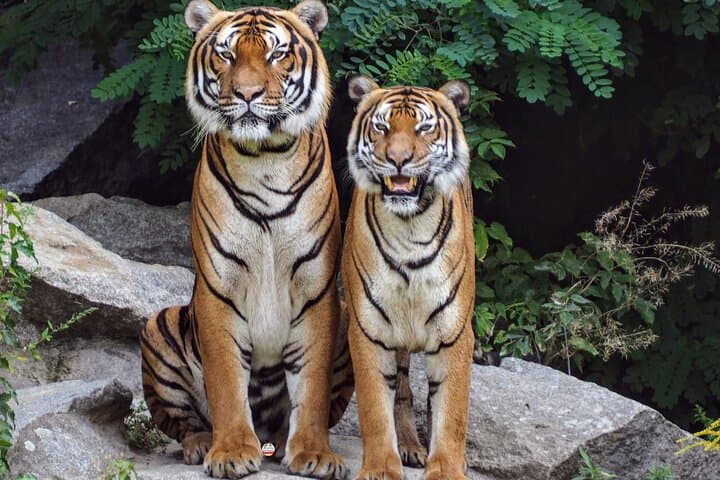
Combine India’s iconic monuments with a classic tiger safari: witness the Taj at sunrise, explore Agra and Jaipur’s royal streets, then hunt for tigers in Ranthambore’s dry forests. Early starts and long drives pay off with memorable light and wildlife.
Combine India’s iconic monuments with a classic tiger safari: witness the Taj at sunrise, explore Agra and Jaipur’s royal streets, then hunt for tigers in Ranthambore’s dry forests. Early starts and long drives pay off with memorable light and wildlife.
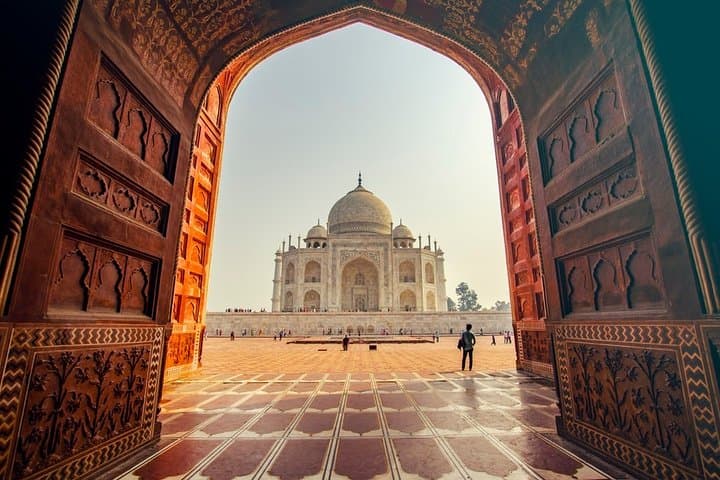
You step out before dawn as the lanes around Agra hush; the Taj Mahal’s marble waits in a cool hush, its domes brightening from silver to gold while guides point out the inlaid floral panels and symmetrical gardens.
Verified experiences and guided adventures in the surrounding area.
Operated by Tour Guide Delhi · New Delhi, Delhi
You step out before dawn as the lanes around Agra hush; the Taj Mahal’s marble waits in a cool hush, its domes brightening from silver to gold while guides point out the inlaid floral panels and symmetrical gardens.
This five-day loop—Delhi, Agra, Ranthambore, Jaipur—pairs Mughal emblematic architecture with Rajasthan’s dry forests. Delhi’s Lutyens-era avenues and Qutub Minar reflect colonial and Sultanate layers; Agra carries Mughal funerary craft perfected in white marble; Jaipur shows purpose-built 18th-century urban planning and Rajput palaces. Ranthambore adds a contrasting geology: granite outcrops, seasonal lakes and the ruins of a 10th-century fort where tigers move through scrub and sal forest.
Expect early mornings: a sunrise visit to the Taj, a 3-hour morning safari in Ranthambore by shared jeep or canter, and full-day drives between cities (Delhi–Agra ~3–4 hours via expressway; Agra–Ranthambhore ~4–5 hours; Ranthambore–Jaipur ~3–4 hours). Accommodations vary from 3–5 star options; transport is air-conditioned and private. Guides provide historical context and safety briefings inside the reserve.
Practical edge: book the Taj sunrise slot and safari permits well in advance, pack layers for chilly predawn starts, and bring binoculars and a camera with a tele lens if wildlife photography is your aim. Stay on authorized vehicles in Ranthambore, carry cash and photocopies of passport pages for monuments, and plan for long road times—the rewards are sunrise marble and, if luck favors you, a tiger’s slow, deliberate silhouette between trees.
moderate.
5 days.
Suitable for travelers comfortable with early starts, short walks at monuments, and multi‑hour drives between cities
Sightings are possible but not guaranteed; mornings increase chances—guides and multiple zones raise the odds, but tigers are wild and movements vary.
October to March is popular for cooler weather and higher safari visibility; park schedules can change during the monsoon, so check Ranthambore’s open months.
Major sites like the Taj Mahal have limited accessibility; many historic sites feature steps and uneven surfaces—check specific access services in advance.
Yes—this is commonly offered; the tour lists hotel-grade options and allows pickup in Delhi, Noida or Gurgaon and departures from Jaipur or Delhi depending on your plan.
The route stitches Mughal-era Agra and colonial-era New Delhi with Jaipur’s planned 18th-century urban model; Ranthambore’s fort dates to the 10th century, overlooking the park.
Ranthambore is part of India’s Project Tiger landscape—stay on approved vehicles, don’t feed or disturb wildlife, and support lodges that follow local conservation guidelines.
Tour Guide Delhi operates guided outdoor trips and adventures with an emphasis on safety, stewardship, and memorable experiences.


You step out before dawn as the lanes around Agra hush; the Taj Mahal’s marble waits in a cool hush, its domes brightening from silver to gold while guides point out the inlaid floral panels and symmetrical gardens.
You step out before dawn as the lanes around Agra hush; the Taj Mahal’s marble waits in a cool hush, its domes brightening from silver to gold while guides point out the inlaid floral panels and symmetrical gardens.
This five-day loop—Delhi, Agra, Ranthambore, Jaipur—pairs Mughal emblematic architecture with Rajasthan’s dry forests. Delhi’s Lutyens-era avenues and Qutub Minar reflect colonial and Sultanate layers; Agra carries Mughal funerary craft perfected in white marble; Jaipur shows purpose-built 18th-century urban planning and Rajput palaces. Ranthambore adds a contrasting geology: granite outcrops, seasonal lakes and the ruins of a 10th-century fort where tigers move through scrub and sal forest.
Expect early mornings: a sunrise visit to the Taj, a 3-hour morning safari in Ranthambore by shared jeep or canter, and full-day drives between cities (Delhi–Agra ~3–4 hours via expressway; Agra–Ranthambhore ~4–5 hours; Ranthambore–Jaipur ~3–4 hours). Accommodations vary from 3–5 star options; transport is air-conditioned and private. Guides provide historical context and safety briefings inside the reserve.
Practical edge: book the Taj sunrise slot and safari permits well in advance, pack layers for chilly predawn starts, and bring binoculars and a camera with a tele lens if wildlife photography is your aim. Stay on authorized vehicles in Ranthambore, carry cash and photocopies of passport pages for monuments, and plan for long road times—the rewards are sunrise marble and, if luck favors you, a tiger’s slow, deliberate silhouette between trees.