THE ADVENTURE COLLECTIVE® · Independent discovery and booking for outdoor travel

A private five-day circuit through Delhi, Agra and Jaipur that pairs efficient road travel with guided visits to the Taj Mahal, Agra Fort, Fatehpur Sikri, Chand Baori and Jaipur’s royal palaces. Ideal for travelers who want curated logistics and time to explore key monuments.
A private five-day circuit through Delhi, Agra and Jaipur that pairs efficient road travel with guided visits to the Taj Mahal, Agra Fort, Fatehpur Sikri, Chand Baori and Jaipur’s royal palaces. Ideal for travelers who want curated logistics and time to explore key monuments.
You step out of an air-conditioned car onto a sun-warmed stone courtyard and the city breathes history around you: hammered red sandstone, inlaid marble, and narrow lanes that still hum with vendors and rickshaws. Over five days the Golden Triangle stitches together Delhi’s layered capital, Agra’s ivory mausoleum and sandstone fortresses, and Jaipur’s pink-hued palaces—each place a different chapter in northern India’s living architecture.
Verified experiences and guided adventures in the surrounding area.
Operated by Travel With Us · New Delhi, Delhi
You step out of an air-conditioned car onto a sun-warmed stone courtyard and the city breathes history around you: hammered red sandstone, inlaid marble, and narrow lanes that still hum with vendors and rickshaws. Over five days the Golden Triangle stitches together Delhi’s layered capital, Agra’s ivory mausoleum and sandstone fortresses, and Jaipur’s pink-hued palaces—each place a different chapter in northern India’s living architecture.
The route follows modern highways and older trade roads: a fast run on the Yamuna Expressway to Agra, scenic stops at Fatehpur Sikri’s deserted courtyards, Chand Baori’s geometric stepwell, and the hilltop Amber Fort outside Jaipur. Geologically these sites sit on the Indo-Gangetic plains where rivers like the Yamuna cut alluvial banks; architecturally they reflect Mughal engineering and Rajput planning from the 16th–18th centuries.
Culturally expect guided visits, an Old Delhi rickshaw ride, and the etiquette of modest dress inside mosques and mausoleums—the Taj Mahal supplies compulsory shoe covers and a golf cart to the entrance. Practicalities matter: allow buffer for traffic, carry small-denomination INR for ticket counters and street vendors, and schedule the Taj for sunrise or late afternoon light to avoid peak heat and crowds.
This private tour balances curated logistics—a uniformed chauffeur, private vehicle, and optional hotel nights—with walking at each site. It’s accessible for most travelers but brings the rewards of timing, hydration, and sensible shoes: up-close encounters with centuries-old stone, the pulse of market lanes, and long vistas that reward early mornings and patient sightlines.
moderate.
5 days.
Suitable for travelers with average fitness; involves several hours of walking each day and some stair climbing.
Delhi to Agra is about 3–4 hours via the Yamuna Expressway (~230 km); Agra to Jaipur via Fatehpur Sikri and Abhaneri is ~4–6 hours with stops; Jaipur back to Delhi is ~5–6 hours (~280 km).
The Taj Mahal is closed on Fridays for prayer; plan visits on other days and consider sunrise for fewer crowds.
The tour notes wheelchair accessibility in many areas, though some forts and stepwells have uneven steps—confirm specifics with the operator for full accessibility needs.
Yes—this private tour is adjustable after booking to add or omit monuments, change pickup, or alter hotel nights; discuss preferences with the provider.
The Golden Triangle stitches Mughal era monuments—like the Taj and Agra Fort—with Rajput-era palaces in Jaipur, reflecting 16th–18th century imperial and princely patronage.
High visitor numbers stress delicate marble and historic staircases; minimize plastic waste, follow signage, and use authorized guides to reduce impact.
Travel With Us operates guided outdoor trips and adventures with an emphasis on safety, stewardship, and memorable experiences.
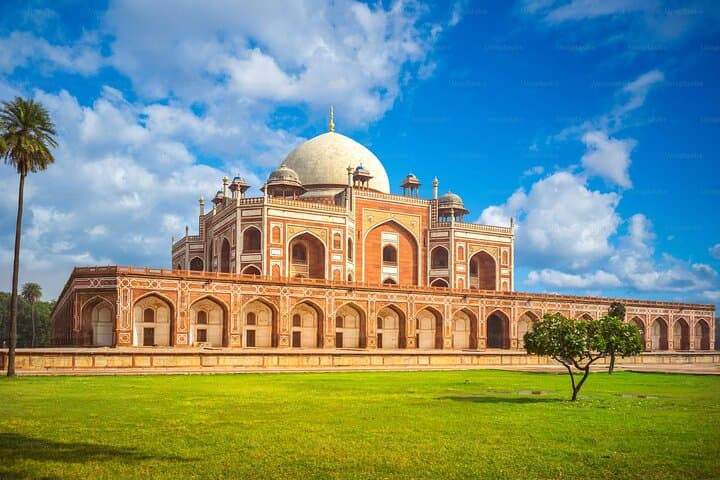
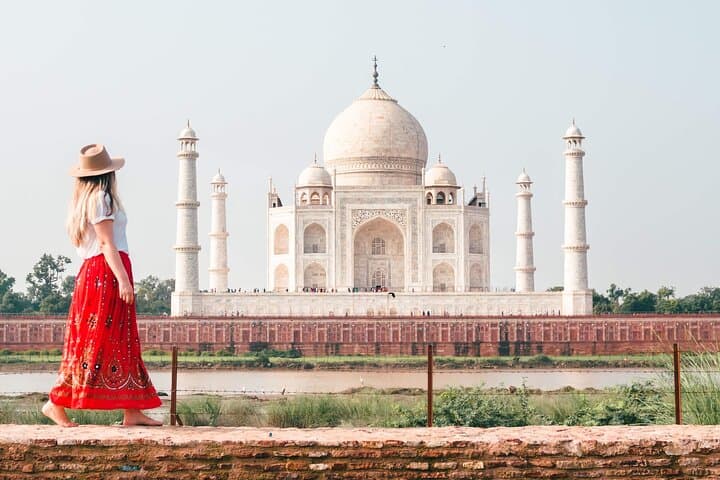
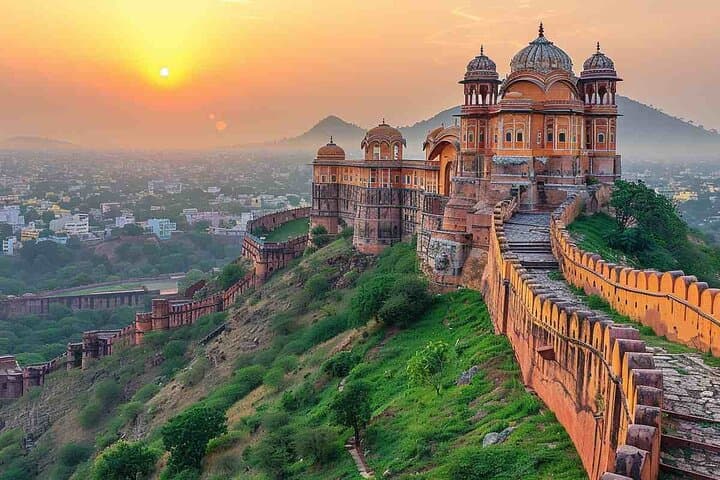
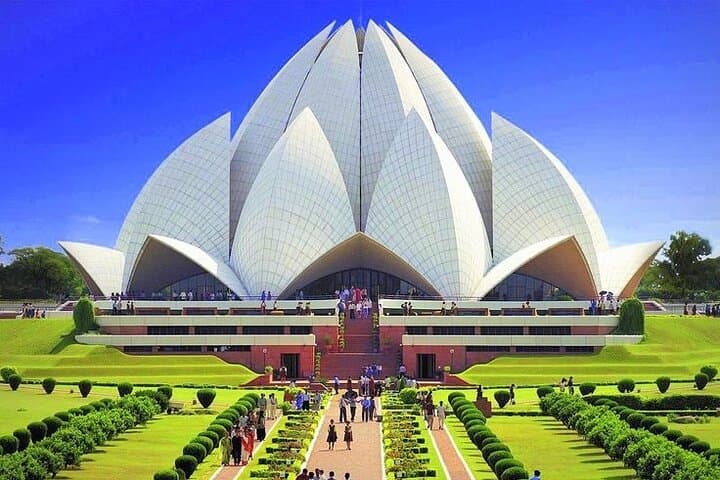
You step out of an air-conditioned car onto a sun-warmed stone courtyard and the city breathes history around you: hammered red sandstone, inlaid marble, and narrow lanes that still hum with vendors and rickshaws. Over five days the Golden Triangle stitches together Delhi’s layered capital, Agra’s ivory mausoleum and sandstone fortresses, and Jaipur’s pink-hued palaces—each place a different chapter in northern India’s living architecture.
You step out of an air-conditioned car onto a sun-warmed stone courtyard and the city breathes history around you: hammered red sandstone, inlaid marble, and narrow lanes that still hum with vendors and rickshaws. Over five days the Golden Triangle stitches together Delhi’s layered capital, Agra’s ivory mausoleum and sandstone fortresses, and Jaipur’s pink-hued palaces—each place a different chapter in northern India’s living architecture.
The route follows modern highways and older trade roads: a fast run on the Yamuna Expressway to Agra, scenic stops at Fatehpur Sikri’s deserted courtyards, Chand Baori’s geometric stepwell, and the hilltop Amber Fort outside Jaipur. Geologically these sites sit on the Indo-Gangetic plains where rivers like the Yamuna cut alluvial banks; architecturally they reflect Mughal engineering and Rajput planning from the 16th–18th centuries.
Culturally expect guided visits, an Old Delhi rickshaw ride, and the etiquette of modest dress inside mosques and mausoleums—the Taj Mahal supplies compulsory shoe covers and a golf cart to the entrance. Practicalities matter: allow buffer for traffic, carry small-denomination INR for ticket counters and street vendors, and schedule the Taj for sunrise or late afternoon light to avoid peak heat and crowds.
This private tour balances curated logistics—a uniformed chauffeur, private vehicle, and optional hotel nights—with walking at each site. It’s accessible for most travelers but brings the rewards of timing, hydration, and sensible shoes: up-close encounters with centuries-old stone, the pulse of market lanes, and long vistas that reward early mornings and patient sightlines.