THE ADVENTURE COLLECTIVE® · Independent discovery and booking for outdoor travel

A compact, private five-day loop from Tbilisi to Batumi that pairs ancient monasteries and cave systems with seaside boulevards and mountain waterfalls. Expect short hikes, cultural sites, and varied terrain from city cobbles to forested tracks.
A compact, private five-day loop from Tbilisi to Batumi that pairs ancient monasteries and cave systems with seaside boulevards and mountain waterfalls. Expect short hikes, cultural sites, and varied terrain from city cobbles to forested tracks.
Step down from a shaded alley in old Tbilisi and the city exhales: sulfur baths steam, a cable-car creaks above, and the Kura River pushes the town forward toward the Caucasus foothills.
Verified experiences and guided adventures in the surrounding area.
Operated by Travel To Georgia · Tbilisi, Tbilisi
Step down from a shaded alley in old Tbilisi and the city exhales: sulfur baths steam, a cable-car creaks above, and the Kura River pushes the town forward toward the Caucasus foothills.
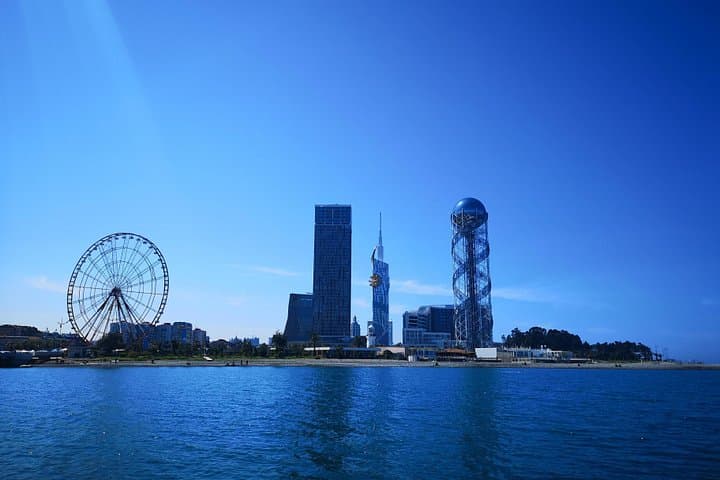
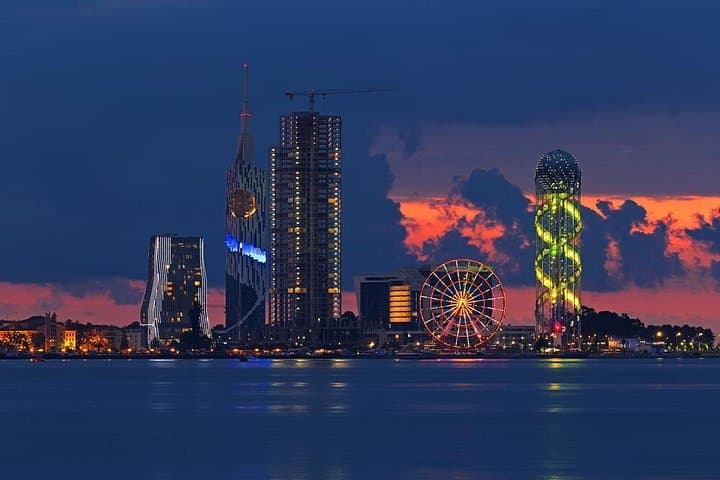
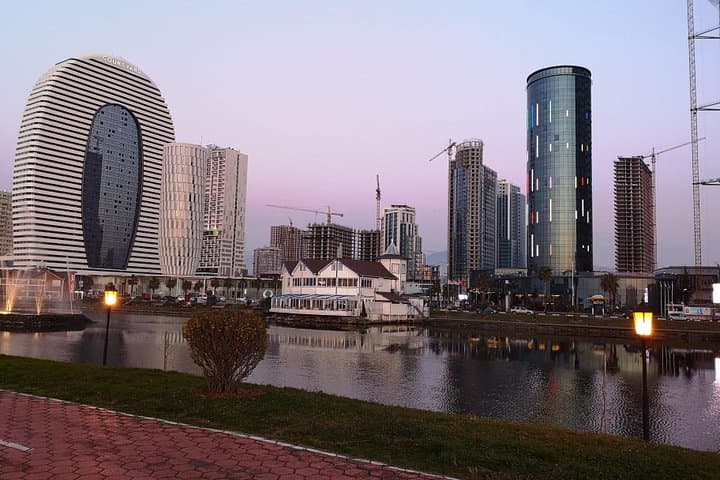
This five-day private route threads through Georgia’s layers—medieval stone churches in Mtskheta and Gelati, the cliff-top Jvari Monastery (6th century), and Bagrati Cathedral overlooking Kutaisi. Geology is visible at Prometheus Cave (1.8 km mapped passages) where limestone passages and an underground river carve cool halls 40 m below the surface. On the Black Sea coast, Batumi opens onto a wide boulevard, subtropical botanic gardens (0–220 m elevation) and the humid, forested slopes above Makhuntseti waterfall.
Culture here is tactile: centuries-old wine-making, cross-dome architecture, and a cuisine built around bread, cheese and walnut sauces. Expect varied terrain—paved city walks, short uphill approaches to clifftop churches, lowland forest tracks, and stepped trails around waterfalls. Elevation changes are modest on this itinerary (sea level to ~800 m at Mtatsminda), but some brief stair climbs and uneven surfaces require steady footing.
Practical guidance: start days early to avoid mid-day heat in summer and to reach viewpoints with softer light. Carry local currency for small museum fees and markets. Wear broken-in hiking shoes for cobbled streets and wet cave paths; a light rain layer is useful year-round in western Georgia.
This trip suits travelers who want a compact mix of history, coastal flora and accessible mountain scenery without heavy backpacking.
moderate.
5 days.
Moderate — able to handle several hours of sightseeing daily with short uphill walks and stairs
Yes—this private itinerary is family-friendly, though infants must sit on laps during transport; some sites have stairs and uneven ground.
Admission is included for several sites per the itinerary, but check specifics; meals and some local fees are typically not included unless stated.
Moderate fitness is recommended—days involve a few hours of walking, short uphill climbs and staircases but no technical hiking.
Private, air-conditioned transport is provided; pickup point is arranged at booking and public transport options exist near central meeting locations.
Georgia’s crossroads position led to early Christian architecture (4th–12th centuries) and medieval centers like Gelati that were hubs of learning under David the Builder.
Coastal development around Batumi and visitor pressure in caves and waterfalls require responsible behavior—stick to marked trails, avoid littering, and support local guides.
Travel To Georgia operates guided outdoor trips and adventures with an emphasis on safety, stewardship, and memorable experiences.
Step down from a shaded alley in old Tbilisi and the city exhales: sulfur baths steam, a cable-car creaks above, and the Kura River pushes the town forward toward the Caucasus foothills.
Step down from a shaded alley in old Tbilisi and the city exhales: sulfur baths steam, a cable-car creaks above, and the Kura River pushes the town forward toward the Caucasus foothills.
This five-day private route threads through Georgia’s layers—medieval stone churches in Mtskheta and Gelati, the cliff-top Jvari Monastery (6th century), and Bagrati Cathedral overlooking Kutaisi. Geology is visible at Prometheus Cave (1.8 km mapped passages) where limestone passages and an underground river carve cool halls 40 m below the surface. On the Black Sea coast, Batumi opens onto a wide boulevard, subtropical botanic gardens (0–220 m elevation) and the humid, forested slopes above Makhuntseti waterfall.
Culture here is tactile: centuries-old wine-making, cross-dome architecture, and a cuisine built around bread, cheese and walnut sauces. Expect varied terrain—paved city walks, short uphill approaches to clifftop churches, lowland forest tracks, and stepped trails around waterfalls. Elevation changes are modest on this itinerary (sea level to ~800 m at Mtatsminda), but some brief stair climbs and uneven surfaces require steady footing.
Practical guidance: start days early to avoid mid-day heat in summer and to reach viewpoints with softer light. Carry local currency for small museum fees and markets. Wear broken-in hiking shoes for cobbled streets and wet cave paths; a light rain layer is useful year-round in western Georgia.
This trip suits travelers who want a compact mix of history, coastal flora and accessible mountain scenery without heavy backpacking.