THE ADVENTURE COLLECTIVE® · Independent discovery and booking for outdoor travel

Board La Pinta for a five‑day northeast circuit of the Galápagos that pairs iconic landings—Bartolome, Sullivan Bay, Genovesa—with guided snorkeling and pangas. Practical route planning, biosecurity rules and moderate fitness make this an accessible, immersive cruise into the islands’ volcanic heart.
Board La Pinta for a five‑day northeast circuit of the Galápagos that pairs iconic landings—Bartolome, Sullivan Bay, Genovesa—with guided snorkeling and pangas. Practical route planning, biosecurity rules and moderate fitness make this an accessible, immersive cruise into the islands’ volcanic heart.
The ship slips away from Puerto Ayora at first light, the hull nudged by a pale sea as frigatebirds wheel above. On La Pinta you trade roads for pangas and wooden stairways—each landing an invitation to step directly into the islands’ volcanic past and living laboratories. You’ll climb the wooden boardwalk on Bartolome for the view over Pinnacle Rock, stroll lava fields at Sullivan Bay and walk the mile-long salt flats and red cliffs of Genovesa while thousands of marine birds wheel around you.
Verified experiences and guided adventures in the surrounding area.
Operated by Metropolitan Touring · Puerto Ayora, Galápagos
The ship slips away from Puerto Ayora at first light, the hull nudged by a pale sea as frigatebirds wheel above. On La Pinta you trade roads for pangas and wooden stairways—each landing an invitation to step directly into the islands’ volcanic past and living laboratories. You’ll climb the wooden boardwalk on Bartolome for the view over Pinnacle Rock, stroll lava fields at Sullivan Bay and walk the mile-long salt flats and red cliffs of Genovesa while thousands of marine birds wheel around you.
The Galápagos are young geology in motion: tuff cones, recent pahoehoe flows and uplifted calderas tell a story of hotspot volcanism that shaped the islands and the isolated species here. Culturally, Puerto Ayora is a working port community with small restaurants and research stations; visitors will notice the archipelago’s strict biosecurity culture—no fresh produce or seeds into the park.
Practically, the cruise balances daily short hikes and snorkeling with comfortable cabin time aboard a mid-sized yacht. Naturalist guides lead landings; wetsuits and snorkel gear are provided but bring a well-fitting mask if you prefer. Expect variable seas on channel transits and intermittent Wi‑Fi; a doctor is onboard 24/7. The itinerary favors moderate fitness: steep wooden staircases and uneven lava fields require steady footing and good balance.
Plan for reef‑safe sunscreen, layered clothing for cool mornings and warm afternoons, and careful attention to the Galápagos National Park rules. With planning you’ll leave with close encounters of both marine life and the volcanic processes that continue to shape this unique archipelago.
moderate.
5 days.
Moderate—comfortable with steep stairways, short hikes on uneven lava and repeated boarding from small dinghies.
Snorkel equipment and wetsuits are provided onboard, but many visitors prefer to bring a personal mask for better fit and visibility.
Park entrance and transit control card fees are typically paid separately—confirm inclusion with your booking agent and have payment ready at arrival.
Moderate fitness is required: expect steep wooden steps, short hikes over uneven lava, and repeated boarding from pangas; mobility limitations should be discussed before booking.
Do not bring fresh fruit, plants, or soil into the islands; luggage inspections are strict to prevent invasive species—declare any questionable items.
The Galápagos gained scientific fame after Charles Darwin’s 1835 visit; geological youth and isolation produced the islands’ unique endemic species.
Strict park regulations and a quarantine system limit introduced species; responsible visitors reduce trampling, avoid feeding wildlife and choose reef‑safe products.
Metropolitan Touring operates guided outdoor trips and adventures with an emphasis on safety, stewardship, and memorable experiences.
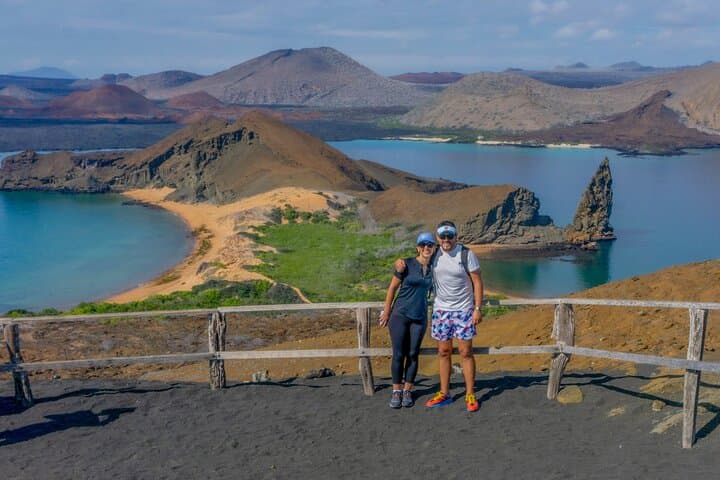
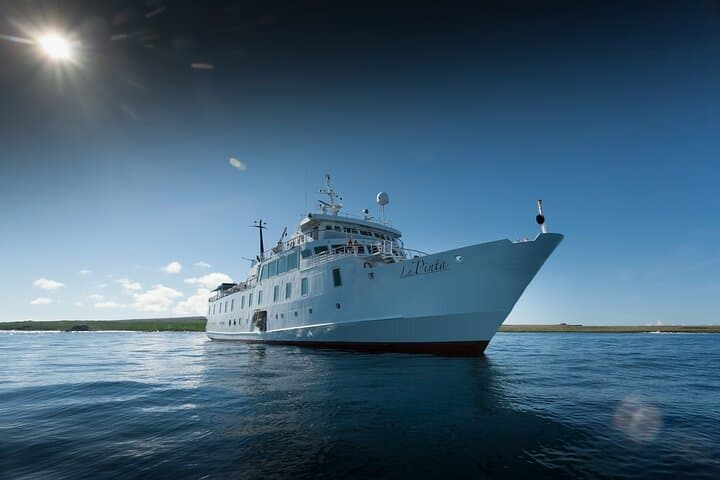

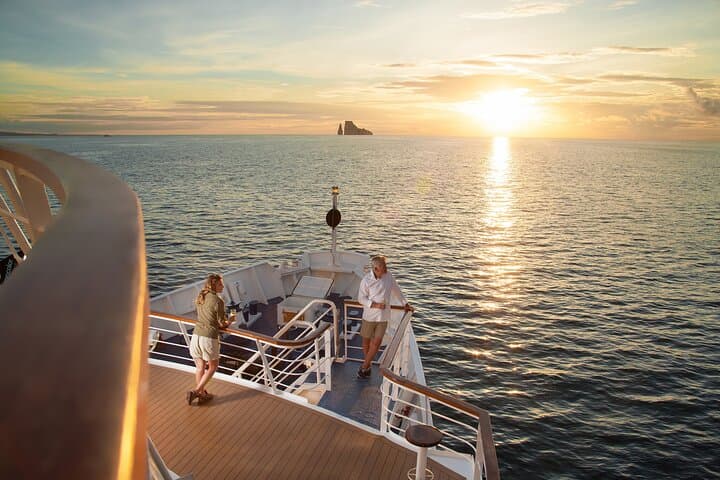
The ship slips away from Puerto Ayora at first light, the hull nudged by a pale sea as frigatebirds wheel above. On La Pinta you trade roads for pangas and wooden stairways—each landing an invitation to step directly into the islands’ volcanic past and living laboratories. You’ll climb the wooden boardwalk on Bartolome for the view over Pinnacle Rock, stroll lava fields at Sullivan Bay and walk the mile-long salt flats and red cliffs of Genovesa while thousands of marine birds wheel around you.
The ship slips away from Puerto Ayora at first light, the hull nudged by a pale sea as frigatebirds wheel above. On La Pinta you trade roads for pangas and wooden stairways—each landing an invitation to step directly into the islands’ volcanic past and living laboratories. You’ll climb the wooden boardwalk on Bartolome for the view over Pinnacle Rock, stroll lava fields at Sullivan Bay and walk the mile-long salt flats and red cliffs of Genovesa while thousands of marine birds wheel around you.
The Galápagos are young geology in motion: tuff cones, recent pahoehoe flows and uplifted calderas tell a story of hotspot volcanism that shaped the islands and the isolated species here. Culturally, Puerto Ayora is a working port community with small restaurants and research stations; visitors will notice the archipelago’s strict biosecurity culture—no fresh produce or seeds into the park.
Practically, the cruise balances daily short hikes and snorkeling with comfortable cabin time aboard a mid-sized yacht. Naturalist guides lead landings; wetsuits and snorkel gear are provided but bring a well-fitting mask if you prefer. Expect variable seas on channel transits and intermittent Wi‑Fi; a doctor is onboard 24/7. The itinerary favors moderate fitness: steep wooden staircases and uneven lava fields require steady footing and good balance.
Plan for reef‑safe sunscreen, layered clothing for cool mornings and warm afternoons, and careful attention to the Galápagos National Park rules. With planning you’ll leave with close encounters of both marine life and the volcanic processes that continue to shape this unique archipelago.