THE ADVENTURE COLLECTIVE® · Independent discovery and booking for outdoor travel

Explore Santa Cruz and Isabela in five compact days: giant tortoises in the highlands, Darwin Station history, a 16 km hike on Sierra Negra, and snorkeling through the lava arches of Los Tuneles. Practical, guided, and conservation-focused.
Explore Santa Cruz and Isabela in five compact days: giant tortoises in the highlands, Darwin Station history, a 16 km hike on Sierra Negra, and snorkeling through the lava arches of Los Tuneles. Practical, guided, and conservation-focused.
Step off the tiny plane at Baltra and the air changes: saline, bright, and immediate. On day one the group moves through Puerto Ayora toward the Highlands of Santa Cruz where giant tortoises move with a careful, prehistoric patience and lava tubes cut shadows across the trail. Later the team crosses by public speedboat to Isabela, a broader, younger island where volcanic fingers have created Los Tuneles — a maze of arches, lagoons and underwater caverns.
Verified experiences and guided adventures in the surrounding area.
Operated by Galapagos Tours Nature Galapagos & Ecuador · Puerto Villamil, Galápagos
Step off the tiny plane at Baltra and the air changes: saline, bright, and immediate. On day one the group moves through Puerto Ayora toward the Highlands of Santa Cruz where giant tortoises move with a careful, prehistoric patience and lava tubes cut shadows across the trail. Later the team crosses by public speedboat to Isabela, a broader, younger island where volcanic fingers have created Los Tuneles — a maze of arches, lagoons and underwater caverns.
Geology here is recent and raw: shield volcanoes built from successive flows produce the smooth pahoehoe and jagged ʻaʻā that ferry land into the sea. The archipelago’s place in natural history is unmistakable—Darwin’s observations still echo in the Charles Darwin Research Station, while local fishing and ecotourism shape contemporary island life.
Days mix land and sea: a 16 km hike on Sierra Negra traverses scrub and volcanic ridges with steady, runnable grades; snorkeling at Los Tuneles introduces sea lions, rays and shoals threading through lava chimneys. Guides certified by Galapagos National Park balance route-finding with naturalist narration and strict biosecurity.
Practicalities matter: bring reef-safe sunscreen, a dry bag for cameras, and seasickness meds for the 2½–3 hour public speedboat crossings. The itinerary is shared, hotels vary by class, and required passport data must be supplied before travel. Expect moderate fitness demands, daily weather shifts between warm, wet months and cooler, dry currents, and firm park rules that prioritize conservation over convenience. For travelers seeking a compact but comprehensive Galápagos introduction, this five-day loop pairs bold landscapes with accessible wildlife encounters.
moderate.
5 days / 4 nights.
Moderate fitness recommended — comfortable with multi-hour hikes and managing boat transfers.
No — basic snorkeling ability is sufficient; guides brief participants and often provide shallow, protected sites for entry.
Public speedboat transfers between Puerto Ayora and Isabela are included as noted and run about 2½–3 hours depending on tides.
Travelers should have moderate fitness; children and guests over 69 should check medical and insurance requirements — travel insurance coverage is limited by age.
Full passport name, number, expiry and nationality must be provided at booking to meet insurance and park regulations.
The Galápagos shaped Charles Darwin’s ideas on evolution; islands formed by hotspot volcanism and continuing eruptions create rapidly changing habitats.
Galápagos National Park strictly controls visitor movement and biosecurity; travelers should pack out waste, avoid single-use plastics, and use reef-friendly products to minimize impact.
Galapagos Tours Nature Galapagos & Ecuador operates guided outdoor trips and adventures with an emphasis on safety, stewardship, and memorable experiences.
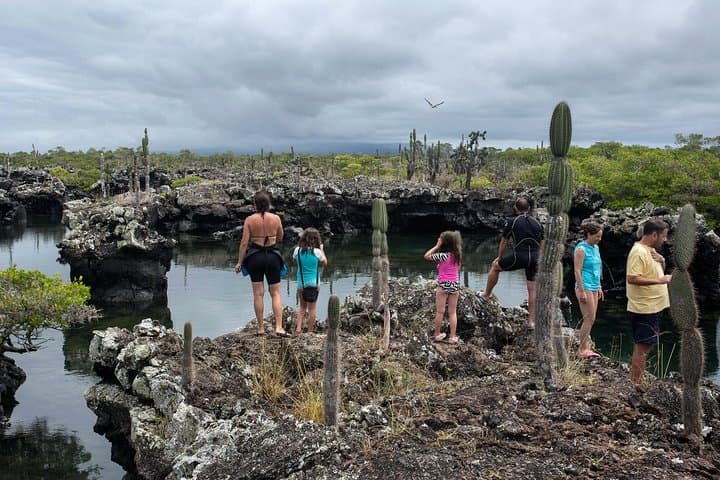
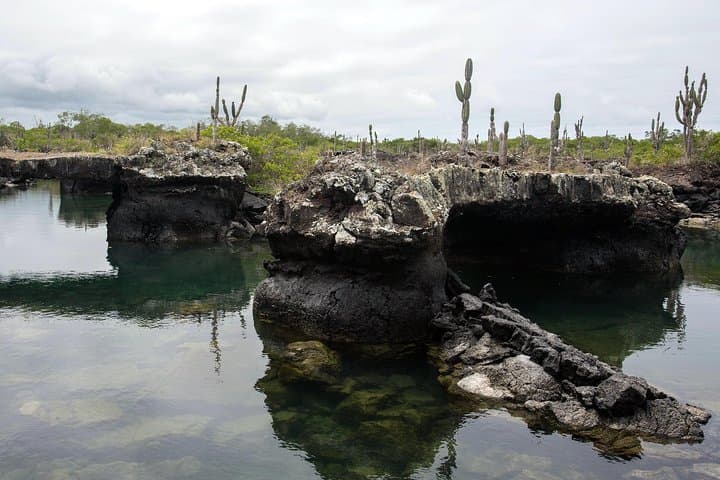
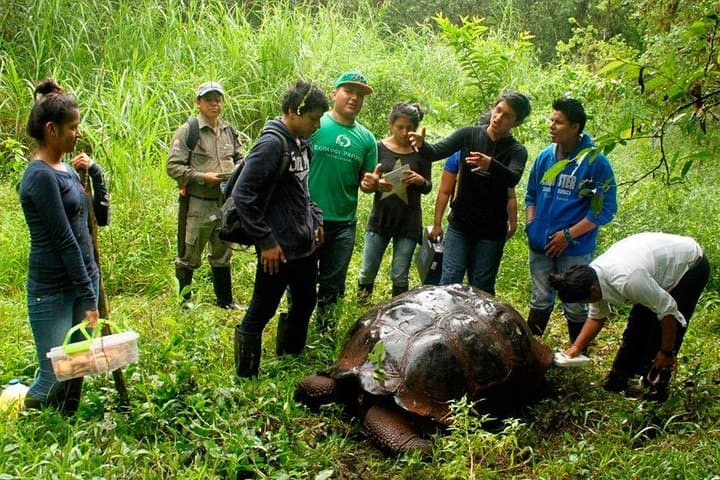
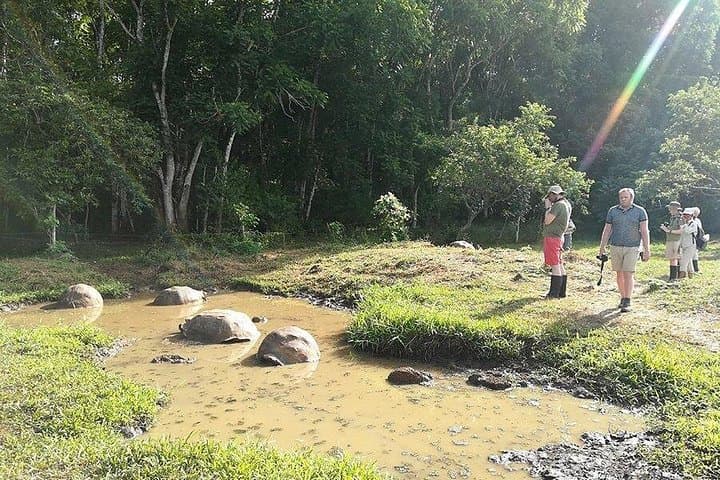
Step off the tiny plane at Baltra and the air changes: saline, bright, and immediate. On day one the group moves through Puerto Ayora toward the Highlands of Santa Cruz where giant tortoises move with a careful, prehistoric patience and lava tubes cut shadows across the trail. Later the team crosses by public speedboat to Isabela, a broader, younger island where volcanic fingers have created Los Tuneles — a maze of arches, lagoons and underwater caverns.
Step off the tiny plane at Baltra and the air changes: saline, bright, and immediate. On day one the group moves through Puerto Ayora toward the Highlands of Santa Cruz where giant tortoises move with a careful, prehistoric patience and lava tubes cut shadows across the trail. Later the team crosses by public speedboat to Isabela, a broader, younger island where volcanic fingers have created Los Tuneles — a maze of arches, lagoons and underwater caverns.
Geology here is recent and raw: shield volcanoes built from successive flows produce the smooth pahoehoe and jagged ʻaʻā that ferry land into the sea. The archipelago’s place in natural history is unmistakable—Darwin’s observations still echo in the Charles Darwin Research Station, while local fishing and ecotourism shape contemporary island life.
Days mix land and sea: a 16 km hike on Sierra Negra traverses scrub and volcanic ridges with steady, runnable grades; snorkeling at Los Tuneles introduces sea lions, rays and shoals threading through lava chimneys. Guides certified by Galapagos National Park balance route-finding with naturalist narration and strict biosecurity.
Practicalities matter: bring reef-safe sunscreen, a dry bag for cameras, and seasickness meds for the 2½–3 hour public speedboat crossings. The itinerary is shared, hotels vary by class, and required passport data must be supplied before travel. Expect moderate fitness demands, daily weather shifts between warm, wet months and cooler, dry currents, and firm park rules that prioritize conservation over convenience. For travelers seeking a compact but comprehensive Galápagos introduction, this five-day loop pairs bold landscapes with accessible wildlife encounters.