THE ADVENTURE COLLECTIVE® · Independent discovery and booking for outdoor travel

A compact, five-day circuit around Santa Cruz, San Cristóbal and nearby uninhabited islands that mixes short hikes, snorkeling at Kicker Rock, and guided wildlife encounters including giant tortoises and blue-footed boobies. Fast-paced but accessible, this tour is an efficient primer on Galápagos natural history.
A compact, five-day circuit around Santa Cruz, San Cristóbal and nearby uninhabited islands that mixes short hikes, snorkeling at Kicker Rock, and guided wildlife encounters including giant tortoises and blue-footed boobies. Fast-paced but accessible, this tour is an efficient primer on Galápagos natural history.
The first morning air in the Galápagos has a particular salt-and-volcanic tang; it wakes you before the alarm and sets the rhythm for five days of short boat rides, deeper blue water, and animals that barely notice you're in their neighborhood. You step off the speedboat in Puerto Ayora and feel the islands pull at you—rock and reef, wind-sculpted scrub, beaches where sea lions treat the sand like a living room.
Verified experiences and guided adventures in the surrounding area.
Operated by Ecua Horse Rides · Puerto Ayora, Galápagos Province
The first morning air in the Galápagos has a particular salt-and-volcanic tang; it wakes you before the alarm and sets the rhythm for five days of short boat rides, deeper blue water, and animals that barely notice you're in their neighborhood. You step off the speedboat in Puerto Ayora and feel the islands pull at you—rock and reef, wind-sculpted scrub, beaches where sea lions treat the sand like a living room.
This classic island-hopping route threads Santa Cruz, Isabela and San Cristóbal with day trips to uninhabited outposts: northbound to North Seymour’s blue-footed booby colonies, a snorkeling stop at Kicker Rock where rays and reef sharks patrol a volcanic channel, and a visit to Bartolomé’s spatter cones and lava flows. The Galápagos are young geology—volcanic cones rising from the abyss—where marine currents and underwater topography create vibrant feeding grounds that define the archipelago’s ecology.
Culturally the islands are compact human stories: fishing villages, Darwin’s legacy at the Charles Darwin Research Station, and ranchland high on Santa Cruz where giant tortoises migrate between misty pastures and caldera rim. The islands’ history is maritime—buccaneers, whalers and scientists—and today conservation rules shape every step and splash. Guides here aren’t just narrators; they’re Park partners, trained to keep people small and wildlife undisturbed.
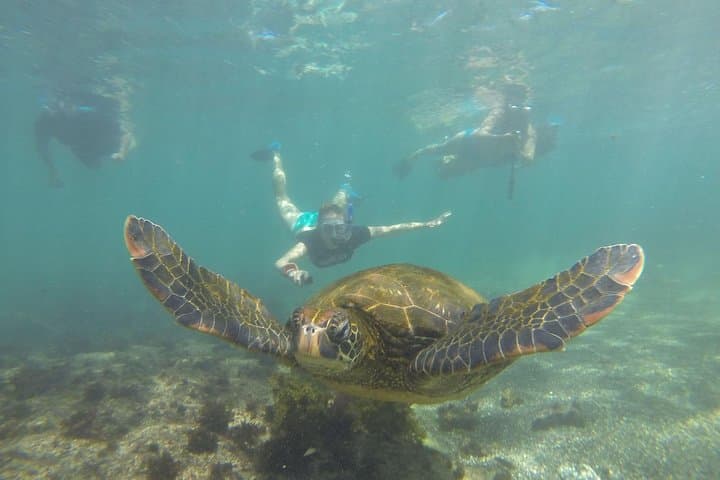
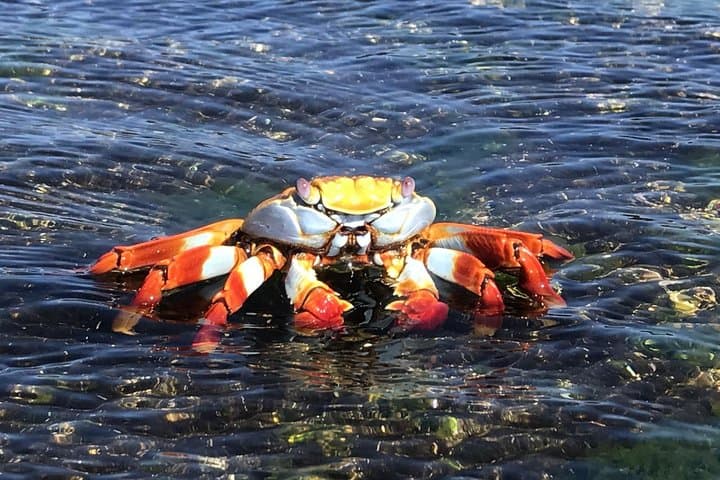
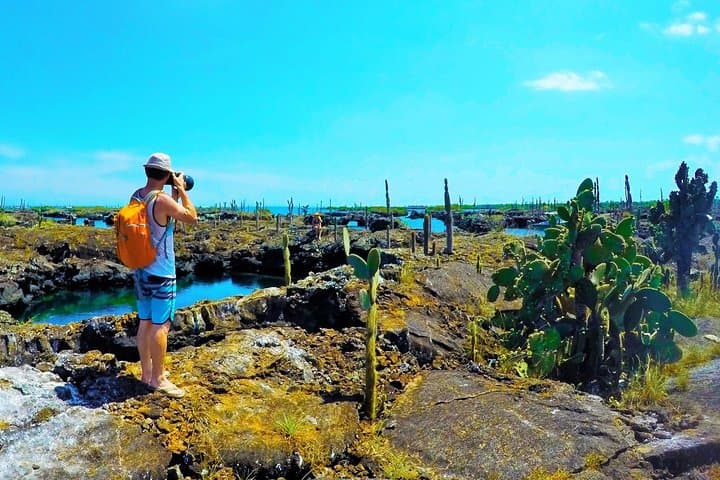
Practically, the trip moves fast. Days mix short hikes (Los Gemelos, lava tunnels), guided visits (Darwin Station), and boat transfers of 30 minutes to 2.5 hours. Expect snorkeling sessions in choppy water and encounters with animals that will not pose for the camera but will perform for those who watch patiently: marine iguanas sunning on black rock, sea lions inspecting your snorkel mask, pelicans diving like practiced acrobats.
For planning: travel light—small bags are easier on public skiffs—and book flights that allow early arrivals and late departures to avoid missing inter-island connections. Don’t drink tap water; use bottled or treated water. Bring reef-safe sunscreen and a snug-fitting mask if you prefer your own gear. Weather is temperate but windy; quick morning fog can burn off into brilliant sun. Most activities suit average fitness—expect uneven terrain, sandy beaches and stairs off boats. Above all, move slowly and let the islands decide the pace.
By the last night, you understand why visitors come back: the Galápagos is a place where wildlife ignores your timetable, and that refusal rearranges yours into something more patient, precise, and memorable.
moderate.
5 days.
Suitable for travelers with regular mobility—short hikes, stairs on boats, and snorkeling require basic stamina and comfort in the ocean.
No—guided snorkeling is suitable for beginners, but basic swimming ability and comfort in saltwater are required. Guides provide life vests and instruction.
Park entrance and some local transit fees are typically separate; the exact fee breakdown will be provided in your voucher—confirm before travel.
Space on speedboats is limited; operators recommend small, soft-sided luggage and minimizing checked bags. Specific size limits will be confirmed by the supplier.
Most activities are family-friendly, but consider sea-sickness risk and boat transfers; consult the operator for specific mobility concerns.
While sightings can't be guaranteed, common encounters include giant tortoises, marine iguanas, sea lions, and a variety of seabirds like blue-footed boobies.
Yes—the operator reserves the right to alter island visits for safety, conservation rules, or weather; alternative sites are chosen to preserve the experience.
The islands’ modern scientific profile grew from Charles Darwin’s 1835 visit; the Charles Darwin Research Station on Santa Cruz continues conservation and breeding programs for tortoises.
The Galápagos National Park enforces strict visitor rules—stay on marked trails, avoid single-use plastics, and use reef-safe products to reduce impact on fragile marine life.
Ecua Horse Rides operates guided outdoor trips and adventures with an emphasis on safety, stewardship, and memorable experiences.
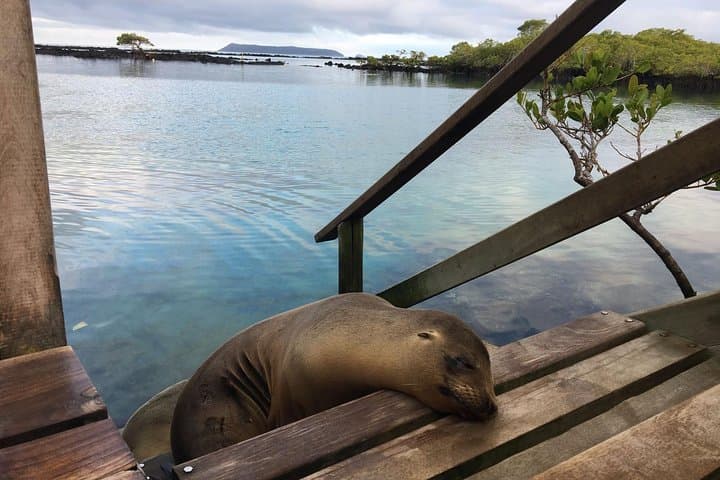
The first morning air in the Galápagos has a particular salt-and-volcanic tang; it wakes you before the alarm and sets the rhythm for five days of short boat rides, deeper blue water, and animals that barely notice you're in their neighborhood. You step off the speedboat in Puerto Ayora and feel the islands pull at you—rock and reef, wind-sculpted scrub, beaches where sea lions treat the sand like a living room.
The first morning air in the Galápagos has a particular salt-and-volcanic tang; it wakes you before the alarm and sets the rhythm for five days of short boat rides, deeper blue water, and animals that barely notice you're in their neighborhood. You step off the speedboat in Puerto Ayora and feel the islands pull at you—rock and reef, wind-sculpted scrub, beaches where sea lions treat the sand like a living room.
This classic island-hopping route threads Santa Cruz, Isabela and San Cristóbal with day trips to uninhabited outposts: northbound to North Seymour’s blue-footed booby colonies, a snorkeling stop at Kicker Rock where rays and reef sharks patrol a volcanic channel, and a visit to Bartolomé’s spatter cones and lava flows. The Galápagos are young geology—volcanic cones rising from the abyss—where marine currents and underwater topography create vibrant feeding grounds that define the archipelago’s ecology.
Culturally the islands are compact human stories: fishing villages, Darwin’s legacy at the Charles Darwin Research Station, and ranchland high on Santa Cruz where giant tortoises migrate between misty pastures and caldera rim. The islands’ history is maritime—buccaneers, whalers and scientists—and today conservation rules shape every step and splash. Guides here aren’t just narrators; they’re Park partners, trained to keep people small and wildlife undisturbed.
Practically, the trip moves fast. Days mix short hikes (Los Gemelos, lava tunnels), guided visits (Darwin Station), and boat transfers of 30 minutes to 2.5 hours. Expect snorkeling sessions in choppy water and encounters with animals that will not pose for the camera but will perform for those who watch patiently: marine iguanas sunning on black rock, sea lions inspecting your snorkel mask, pelicans diving like practiced acrobats.
For planning: travel light—small bags are easier on public skiffs—and book flights that allow early arrivals and late departures to avoid missing inter-island connections. Don’t drink tap water; use bottled or treated water. Bring reef-safe sunscreen and a snug-fitting mask if you prefer your own gear. Weather is temperate but windy; quick morning fog can burn off into brilliant sun. Most activities suit average fitness—expect uneven terrain, sandy beaches and stairs off boats. Above all, move slowly and let the islands decide the pace.
By the last night, you understand why visitors come back: the Galápagos is a place where wildlife ignores your timetable, and that refusal rearranges yours into something more patient, precise, and memorable.