THE ADVENTURE COLLECTIVE® · Independent discovery and booking for outdoor travel

Cross the Middle Atlas from Fes, ride camels at Erg Chebbi, and sleep under Sahara stars on a five‑day route that pairs kasbah history with dune adventures. Expect varied terrain, Berber culture, and dramatic sunrise and sunset viewpoints.
Cross the Middle Atlas from Fes, ride camels at Erg Chebbi, and sleep under Sahara stars on a five‑day route that pairs kasbah history with dune adventures. Expect varied terrain, Berber culture, and dramatic sunrise and sunset viewpoints.
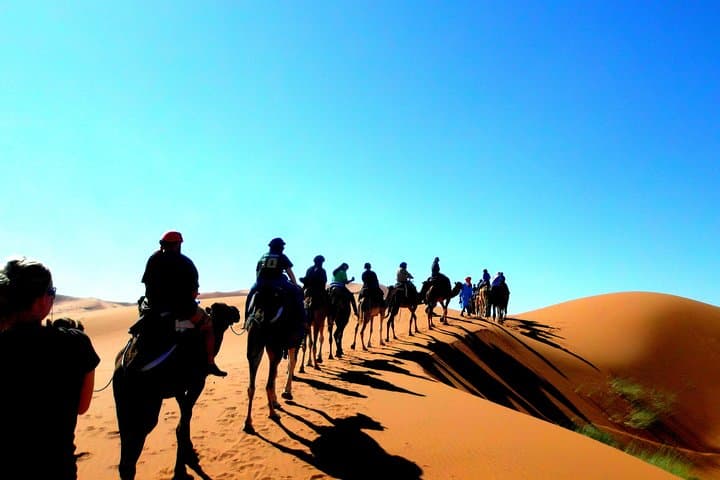
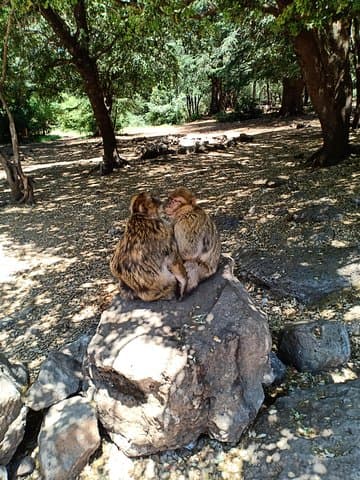
The caravan arrives at sunset: long shadows of camels stretch across Erg Chebbi while wind sculpts new ridges every hour. Campfires punctuate the plain; drums answer the dark and the stars feel close enough to touch. On this route from Fes to Marrakech, the landscape keeps changing — cedar forests and Barbary macaques give way to serrated Atlas passes, then a sea of ochre sand that dares you to climb its tallest dune.
Verified experiences and guided adventures in the surrounding area.
Operated by Caravane Du Grand Erg · Merzouga, Drâa-Tafilalet
The caravan arrives at sunset: long shadows of camels stretch across Erg Chebbi while wind sculpts new ridges every hour. Campfires punctuate the plain; drums answer the dark and the stars feel close enough to touch. On this route from Fes to Marrakech, the landscape keeps changing — cedar forests and Barbary macaques give way to serrated Atlas passes, then a sea of ochre sand that dares you to climb its tallest dune.
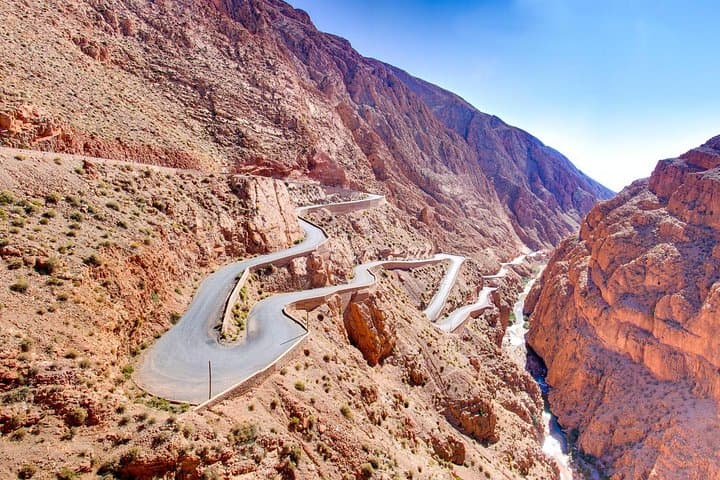
Historically this is a corridor of trade and culture. Rissani and Ait Ben Haddou recall caravan routes that linked sub‑Saharan goldfields to Mediterranean markets; kasbahs here are mudbrick records of political and economic power. Geologically, Erg Chebbi is an active dune field formed by the Atlas winds; Todra Gorge cuts limestone into sheer walls where water once ran deeper and more reliably than today.
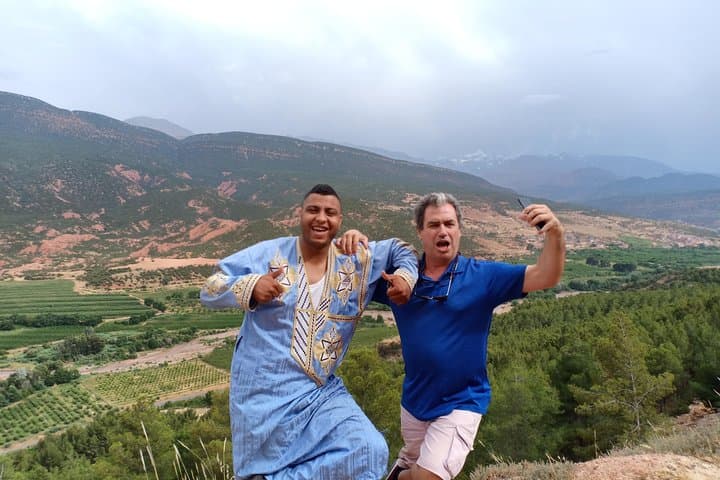
Culturally the tour threads Berber villages, Gnawa music in Khamlia, and nomad households — expect strong tea, stories, and practical hospitality. Small roads yield big viewpoints: the Valley of Roses and the Tizi n’Tichka pass (2,260 m) offer different scales of Morocco’s topography.
Practical edge: schedule sunrise or sunset in the dunes for best light; nights are cold and days intensely sunny. Bring layered clothing, sun protection, and sturdy footwear for uneven sand and short canyon walks. Camel treks are low‑technical but require balance; camps provide mattresses and communal meals. Plan for limited phone signal across segments and respect fragile desert water sources by minimizing waste. With a steady base level of fitness, this itinerary is a compact, tactile way to move between Morocco’s environmental and cultural landscapes.
moderate.
5 days.
Suitable for travelers with moderate fitness: several short walks, a 1‑hour camel ride and transfers over mountain passes.
Camel trekking is low‑technical and paced; it requires basic balance and the ability to mount and dismount with staff assistance.
Camps typically provide mattresses, blankets, communal toilets and a simple dinner—comfort is rustic but warm and safe.
Expect intermittent or no cell service across parts of the Atlas and the Sahara; plan logistics and emergencies in advance.
Tipping local guides, drivers, and camp staff is appreciated and common; small daily tips spread across the group work well.
The route follows historic caravan paths; Ait Ben Haddou is a UNESCO kasbah that once guarded trans‑Saharan trade routes.
The desert ecosystem is fragile—use water sparingly, avoid off‑track driving on dunes, and pack out waste to limit impact.
Caravane Du Grand Erg operates guided outdoor trips and adventures with an emphasis on safety, stewardship, and memorable experiences.
The caravan arrives at sunset: long shadows of camels stretch across Erg Chebbi while wind sculpts new ridges every hour. Campfires punctuate the plain; drums answer the dark and the stars feel close enough to touch. On this route from Fes to Marrakech, the landscape keeps changing — cedar forests and Barbary macaques give way to serrated Atlas passes, then a sea of ochre sand that dares you to climb its tallest dune.
The caravan arrives at sunset: long shadows of camels stretch across Erg Chebbi while wind sculpts new ridges every hour. Campfires punctuate the plain; drums answer the dark and the stars feel close enough to touch. On this route from Fes to Marrakech, the landscape keeps changing — cedar forests and Barbary macaques give way to serrated Atlas passes, then a sea of ochre sand that dares you to climb its tallest dune.
Historically this is a corridor of trade and culture. Rissani and Ait Ben Haddou recall caravan routes that linked sub‑Saharan goldfields to Mediterranean markets; kasbahs here are mudbrick records of political and economic power. Geologically, Erg Chebbi is an active dune field formed by the Atlas winds; Todra Gorge cuts limestone into sheer walls where water once ran deeper and more reliably than today.
Culturally the tour threads Berber villages, Gnawa music in Khamlia, and nomad households — expect strong tea, stories, and practical hospitality. Small roads yield big viewpoints: the Valley of Roses and the Tizi n’Tichka pass (2,260 m) offer different scales of Morocco’s topography.
Practical edge: schedule sunrise or sunset in the dunes for best light; nights are cold and days intensely sunny. Bring layered clothing, sun protection, and sturdy footwear for uneven sand and short canyon walks. Camel treks are low‑technical but require balance; camps provide mattresses and communal meals. Plan for limited phone signal across segments and respect fragile desert water sources by minimizing waste. With a steady base level of fitness, this itinerary is a compact, tactile way to move between Morocco’s environmental and cultural landscapes.