THE ADVENTURE COLLECTIVE® · Independent discovery and booking for outdoor travel

Cover Tashkent, Samarkand and Bukhara in five days on a compact route that pairs high-speed rail with guided walking tours. Expect Timurid tilework, bustling bazaars and accessible logistics that make the Golden Triangle easy to sample in limited time.
Cover Tashkent, Samarkand and Bukhara in five days on a compact route that pairs high-speed rail with guided walking tours. Expect Timurid tilework, bustling bazaars and accessible logistics that make the Golden Triangle easy to sample in limited time.
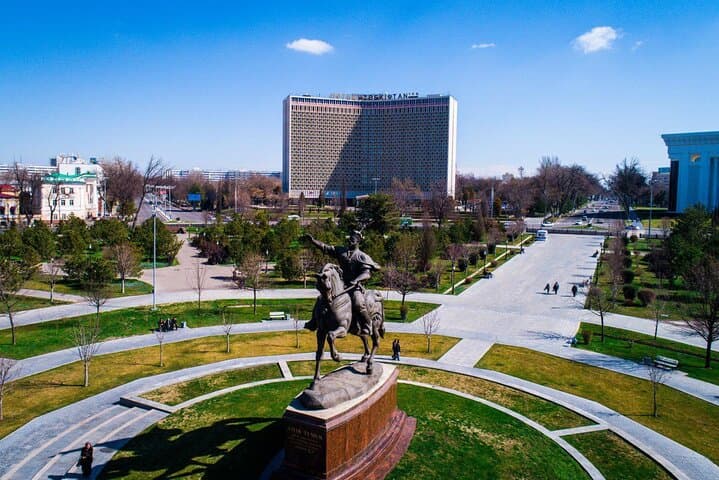
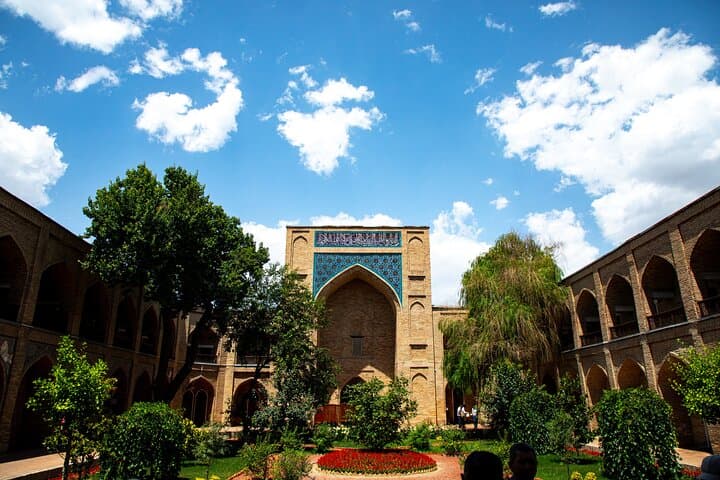
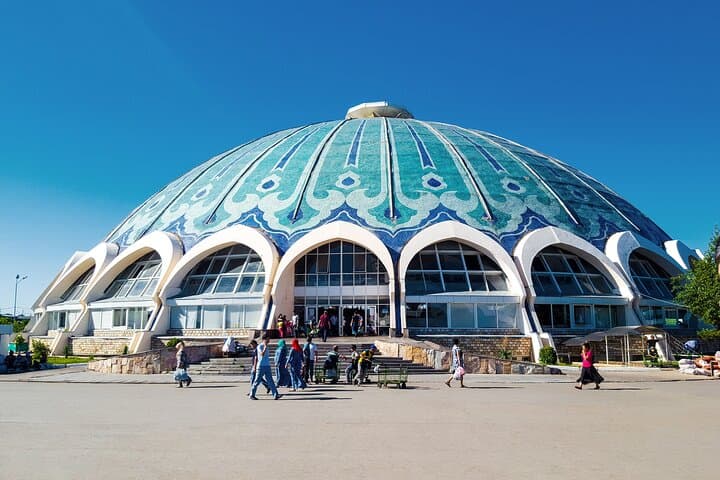
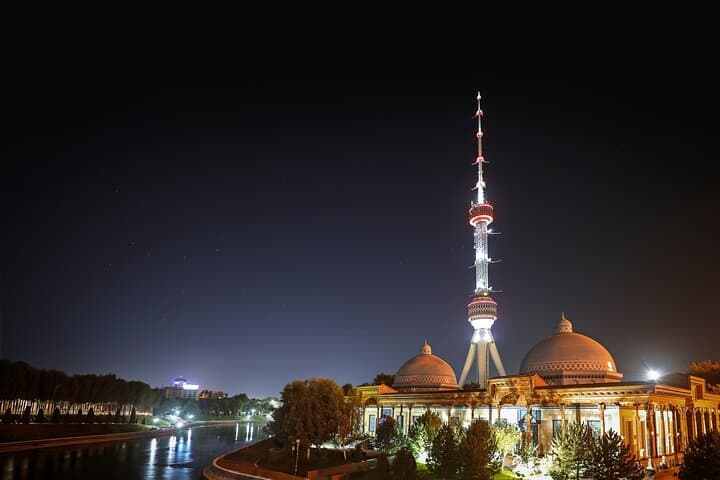
You step from the plane into Tashkent's wide, planted avenues and the driver lifts a sign with your name — a small, exact moment that starts five days of layered history. Streets hum with Soviet-era geometry one moment and the call of the bazaar the next; steam rises from giant kazan where plov is stirred, and tilework ahead flashes an impossible blue.
Verified experiences and guided adventures in the surrounding area.
Operated by Travelcations · Tashkent, Tashkent
You step from the plane into Tashkent's wide, planted avenues and the driver lifts a sign with your name — a small, exact moment that starts five days of layered history. Streets hum with Soviet-era geometry one moment and the call of the bazaar the next; steam rises from giant kazan where plov is stirred, and tilework ahead flashes an impossible blue.
This compact Golden Triangle route threads three eras of Central Asia: Tashkent’s Soviet and modern mix, Samarkand’s Timurid mausoleums and Registan’s madrasah façades, and Bukhara’s pedestrian-packed Old Town with its minarets and caravanserai. Geologically the region sits on the broad Zeravshan valley, where irrigation carved fertile corridors across semi-arid steppe, and those water channels shaped settlement patterns and trade routes for millennia.
Culturally, expect a blend of mosque calls, market bargaining and family-style meals — plov and manti are local benchmarks. Trains link cities quickly; the high-speed rail reduces transit time so days are focused on walking and short drives rather than long transfers.
Practical guidance: the itinerary favors easy-paced walking tours with frequent stops, hotels are mid-range (3-star) with breakfasts included, and the trip is wheelchair- and stroller-accessible in many places. Bring comfortable walking shoes, a lightweight scarf for mosque visits, and a small daypack for water and purchases. Cash in soms for bazaars, but cards are accepted in larger spots. Plan for warm days and cooler evenings; schedule museum visits early to avoid crowds. This five-day loop is brisk but intentionally paced to deliver the Golden Triangle’s architectural peaks and local rhythms without rushing them.
easy.
5 days.
Light to moderate fitness—comfortable walking for 2–4 hours most days with short transfers by vehicle or train.
Expect 2–4 hours of walking daily on mostly flat, pedestrian streets and around monuments; transportation handles longer transfers.
Admissions are generally not listed as included; check the operator’s details or bring cash for entrance fees where applicable.
Many sites and vehicles are accessible and the tour notes wheelchair accessibility, but some historic sites have steps—check specific access needs before booking.
Uzbek som is the practical daily currency for markets and small vendors; major hotels and restaurants accept cards in larger cities.
The Golden Triangle cities were key nodes on the Silk Road; Samarkand rose to prominence under Timur (Tamerlane) whose Timurid dynasty sponsored the region’s most ornate monuments.
Increased visitor numbers strain fragile tilework and water resources; stay on marked paths, avoid touching historic frescoes, and favor local guides and businesses to support conservation.
Travelcations operates guided outdoor trips and adventures with an emphasis on safety, stewardship, and memorable experiences.
You step from the plane into Tashkent's wide, planted avenues and the driver lifts a sign with your name — a small, exact moment that starts five days of layered history. Streets hum with Soviet-era geometry one moment and the call of the bazaar the next; steam rises from giant kazan where plov is stirred, and tilework ahead flashes an impossible blue.
You step from the plane into Tashkent's wide, planted avenues and the driver lifts a sign with your name — a small, exact moment that starts five days of layered history. Streets hum with Soviet-era geometry one moment and the call of the bazaar the next; steam rises from giant kazan where plov is stirred, and tilework ahead flashes an impossible blue.
This compact Golden Triangle route threads three eras of Central Asia: Tashkent’s Soviet and modern mix, Samarkand’s Timurid mausoleums and Registan’s madrasah façades, and Bukhara’s pedestrian-packed Old Town with its minarets and caravanserai. Geologically the region sits on the broad Zeravshan valley, where irrigation carved fertile corridors across semi-arid steppe, and those water channels shaped settlement patterns and trade routes for millennia.
Culturally, expect a blend of mosque calls, market bargaining and family-style meals — plov and manti are local benchmarks. Trains link cities quickly; the high-speed rail reduces transit time so days are focused on walking and short drives rather than long transfers.
Practical guidance: the itinerary favors easy-paced walking tours with frequent stops, hotels are mid-range (3-star) with breakfasts included, and the trip is wheelchair- and stroller-accessible in many places. Bring comfortable walking shoes, a lightweight scarf for mosque visits, and a small daypack for water and purchases. Cash in soms for bazaars, but cards are accepted in larger spots. Plan for warm days and cooler evenings; schedule museum visits early to avoid crowds. This five-day loop is brisk but intentionally paced to deliver the Golden Triangle’s architectural peaks and local rhythms without rushing them.