THE ADVENTURE COLLECTIVE® · Independent discovery and booking for outdoor travel

A private five-day safari from Windhoek into Etosha and the Waterberg Plateau that pairs morning and afternoon game drives with lodge nights. Expect concentrated waterhole viewing, knowledgeable guides, and a mix of big-picture landscapes and close-up wildlife encounters.
A private five-day safari from Windhoek into Etosha and the Waterberg Plateau that pairs morning and afternoon game drives with lodge nights. Expect concentrated waterhole viewing, knowledgeable guides, and a mix of big-picture landscapes and close-up wildlife encounters.
The sun lifts slowly over a salt-streaked plain and the Etosha Pan glares white beneath the first light. On a private 4x4 game vehicle you move quietly along dusty tracks, the guide's voice low as springbok and oryx edge toward a waterhole where elephants and giraffe test the day.
Verified experiences and guided adventures in the surrounding area.
Operated by Explorer Cultural Township Tours in Swakopmund /WalvisBay · Windhoek, Khomas
The sun lifts slowly over a salt-streaked plain and the Etosha Pan glares white beneath the first light. On a private 4x4 game vehicle you move quietly along dusty tracks, the guide's voice low as springbok and oryx edge toward a waterhole where elephants and giraffe test the day.
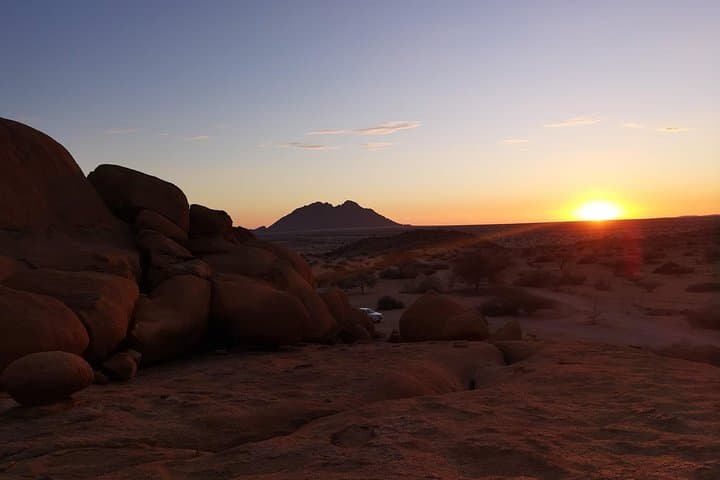
Etosha is an immense play of light and life: a shallow saline pan formed over millennia where seasonal rains draw migratory herds and concentrate wildlife around permanent water. The park was proclaimed during German colonial rule in 1907 and its grid of waterholes—both natural and managed—shaped modern game patterns. To the south the Waterberg Plateau rises in rusty sandstone slabs, its cliffs sheltering rhino and endemic plant communities.
On this private five-day circuit expect early-morning and late-afternoon drives when animals are most active, quiet stints at viewing hides, and lodge-based evenings with local cuisine. Guides blend natural history with cultural notes on Herero and Ovambo communities and the colonial-era routes that opened the north.
Practical: travel between Windhoek and Etosha takes several hours by road—plan for long driving days. Pack sun layers, a wide-brim hat, good binoculars, and a camera with a zoom; light walking is common but game drives are the main activity. Respect park rules: keep distance, stay in vehicle unless instructed, and avoid feeding wildlife.
Best times are the dry winter months for concentrated wildlife at waterholes; the green season offers dramatic skies and newborns but more driving to find game. This is a grounded, wildlife-first safari—quiet, deliberate, and richly rewarding for travelers ready to watch the veld on its schedule.
moderate.
5 days.
Suitable for travelers with moderate fitness; mostly vehicle-based with short walks and some uneven lodge terrain
Daily itineraries include early-morning and late-afternoon drives in a private vehicle with a guide; drives last several hours with stops at waterholes and hides.
The tour begins and ends in Windhoek with road transfers north to Etosha and a visit to the Waterberg Plateau before returning to the capital.
Etosha is good for lions, leopards, and cheetah sightings though sightings are not guaranteed; Waterberg is a protected refuge where rhino are present but sightings are less frequent.
Some lodges and selected facilities are wheelchair accessible, but game vehicles and many viewing areas require mobility for safe boarding and short walks.
Etosha was proclaimed a reserve in 1907 during German South West Africa administration; colonial-era roads and water development reshaped wildlife distribution. Waterberg has been a refuge for threatened species since mid-20th-century conservation efforts.
Poaching and water management are ongoing concerns—support operators who follow anti-poaching practices and minimize off-road driving to protect fragile pans and breeding grounds.
Explorer Cultural Township Tours in Swakopmund /WalvisBay operates guided outdoor trips and adventures with an emphasis on safety, stewardship, and memorable experiences.
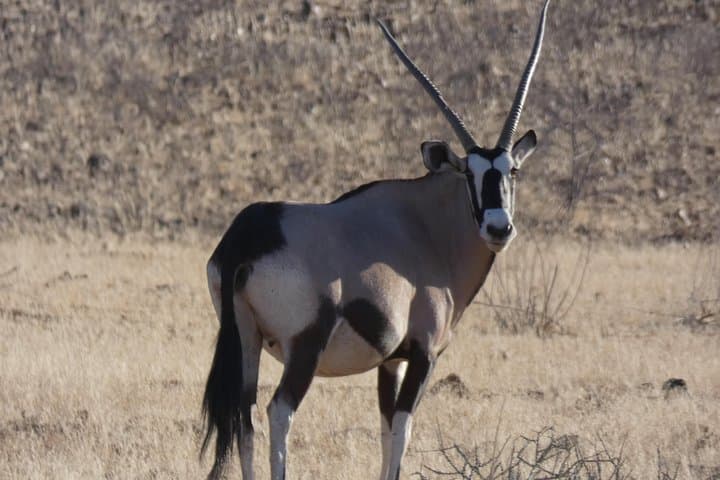
The sun lifts slowly over a salt-streaked plain and the Etosha Pan glares white beneath the first light. On a private 4x4 game vehicle you move quietly along dusty tracks, the guide's voice low as springbok and oryx edge toward a waterhole where elephants and giraffe test the day.
The sun lifts slowly over a salt-streaked plain and the Etosha Pan glares white beneath the first light. On a private 4x4 game vehicle you move quietly along dusty tracks, the guide's voice low as springbok and oryx edge toward a waterhole where elephants and giraffe test the day.
Etosha is an immense play of light and life: a shallow saline pan formed over millennia where seasonal rains draw migratory herds and concentrate wildlife around permanent water. The park was proclaimed during German colonial rule in 1907 and its grid of waterholes—both natural and managed—shaped modern game patterns. To the south the Waterberg Plateau rises in rusty sandstone slabs, its cliffs sheltering rhino and endemic plant communities.
On this private five-day circuit expect early-morning and late-afternoon drives when animals are most active, quiet stints at viewing hides, and lodge-based evenings with local cuisine. Guides blend natural history with cultural notes on Herero and Ovambo communities and the colonial-era routes that opened the north.
Practical: travel between Windhoek and Etosha takes several hours by road—plan for long driving days. Pack sun layers, a wide-brim hat, good binoculars, and a camera with a zoom; light walking is common but game drives are the main activity. Respect park rules: keep distance, stay in vehicle unless instructed, and avoid feeding wildlife.
Best times are the dry winter months for concentrated wildlife at waterholes; the green season offers dramatic skies and newborns but more driving to find game. This is a grounded, wildlife-first safari—quiet, deliberate, and richly rewarding for travelers ready to watch the veld on its schedule.