THE ADVENTURE COLLECTIVE® · Independent discovery and booking for outdoor travel

Move through the heart of the Inca world on a concise five-day itinerary: Cusco’s ruins and cathedral, the agricultural marvels of the Sacred Valley, and a full day at Machu Picchu. Ideal for travelers ready for moderate walks and high-altitude acclimatization.
Move through the heart of the Inca world on a concise five-day itinerary: Cusco’s ruins and cathedral, the agricultural marvels of the Sacred Valley, and a full day at Machu Picchu. Ideal for travelers ready for moderate walks and high-altitude acclimatization.
You step off the plane into thin, cool air and Cusco’s stone streets pull you toward history. Cobblestones ring underfoot as colonial balconies and Inca walls trade glints of sun; outside the city the Andes fold into terraces and the Urubamba river dares you to follow its canyon downstream to Machu Picchu.
Verified experiences and guided adventures in the surrounding area.
Operated by VIPAC Travel · Cusco, Cusco Region
You step off the plane into thin, cool air and Cusco’s stone streets pull you toward history. Cobblestones ring underfoot as colonial balconies and Inca walls trade glints of sun; outside the city the Andes fold into terraces and the Urubamba river dares you to follow its canyon downstream to Machu Picchu.
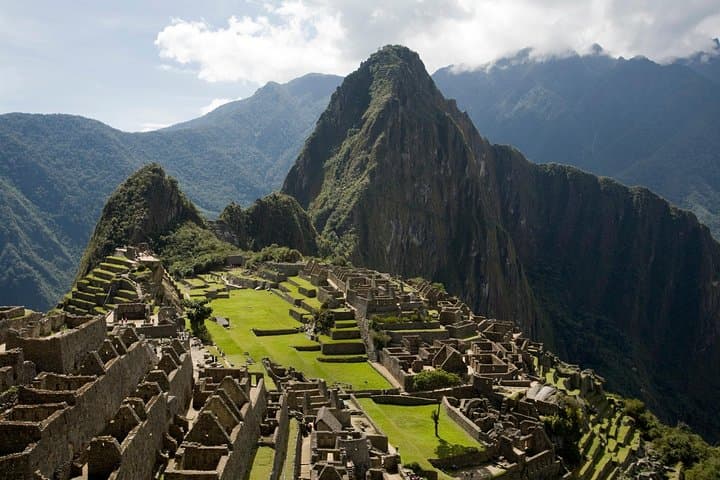
This five-day loop moves fast but deliberately: a half-day city tour through Koricancha and Sacsayhuamán reveals the precision of Inca masonry; the Sacred Valley’s Chinchero, Moray and Ollantaytambo show agricultural ingenuity—concentric terraces and steep fortress-trenches carved into volcanic rock and glacial moraine. The high point is a full-day at Machu Picchu, reached by train and switchback bus, where terraces, stairways and ritual plazas sit above a plunging gorge.
Geology here is audible—ridges of metamorphic and volcanic rock, glacially sculpted valleys, and soils that supported intensive Inca agriculture. Culturally, Cusco remains a living capital of Quechua heritage: markets, weavers and colonial churches layered atop Inca foundations.
Practical guidance: arrive in Cusco in the morning, allow 48 hours for partial acclimatization; carry altitude medication and drink water. Expect moderate walking on uneven stone and 300–500 m elevation changes in short bursts; bring a rain jacket year-round, sturdy hiking shoes, sunscreen and layered clothing. Train luggage limits apply—pack a daypack for Machu Picchu. Book well ahead for Machu Picchu entrance slots; tickets are fixed and non-refundable. With a mix of archaeology, active travel and accessible hiking, this itinerary is both immersive and achievable for travelers prepared for altitude and varied terrain.
moderate.
5 days.
Moderate fitness; able to walk 3–6 hours on uneven, high-altitude terrain and manage short elevation gains.
Yes—Cusco sits around 3,400 m. Allow time to acclimatize, avoid heavy exertion on day one, stay hydrated and consult a doctor about preventive medication.
The tour includes Machu Picchu entrance but tickets are date-specific and non-refundable; if you need to change the visit date you'll likely need to buy a new ticket.
Trains have strict luggage limits and carry-on size rules; bring a small daypack for the site and check the operator’s baggage policy before travel.
Yes—this itinerary includes four breakfasts and four nights of accommodation (three in Cusco, one in the Sacred Valley) as noted in the inclusions.
Cusco was the capital of the Inca Empire and many colonial buildings were deliberately constructed atop Inca foundations, preserving carved stone walls and urban layouts.
Machu Picchu follows visitor circuits and capacity limits to protect fragile ruins—stay on marked paths, avoid single-use plastics, and respect local sites and communities.
VIPAC Travel operates guided outdoor trips and adventures with an emphasis on safety, stewardship, and memorable experiences.



You step off the plane into thin, cool air and Cusco’s stone streets pull you toward history. Cobblestones ring underfoot as colonial balconies and Inca walls trade glints of sun; outside the city the Andes fold into terraces and the Urubamba river dares you to follow its canyon downstream to Machu Picchu.
You step off the plane into thin, cool air and Cusco’s stone streets pull you toward history. Cobblestones ring underfoot as colonial balconies and Inca walls trade glints of sun; outside the city the Andes fold into terraces and the Urubamba river dares you to follow its canyon downstream to Machu Picchu.
This five-day loop moves fast but deliberately: a half-day city tour through Koricancha and Sacsayhuamán reveals the precision of Inca masonry; the Sacred Valley’s Chinchero, Moray and Ollantaytambo show agricultural ingenuity—concentric terraces and steep fortress-trenches carved into volcanic rock and glacial moraine. The high point is a full-day at Machu Picchu, reached by train and switchback bus, where terraces, stairways and ritual plazas sit above a plunging gorge.
Geology here is audible—ridges of metamorphic and volcanic rock, glacially sculpted valleys, and soils that supported intensive Inca agriculture. Culturally, Cusco remains a living capital of Quechua heritage: markets, weavers and colonial churches layered atop Inca foundations.
Practical guidance: arrive in Cusco in the morning, allow 48 hours for partial acclimatization; carry altitude medication and drink water. Expect moderate walking on uneven stone and 300–500 m elevation changes in short bursts; bring a rain jacket year-round, sturdy hiking shoes, sunscreen and layered clothing. Train luggage limits apply—pack a daypack for Machu Picchu. Book well ahead for Machu Picchu entrance slots; tickets are fixed and non-refundable. With a mix of archaeology, active travel and accessible hiking, this itinerary is both immersive and achievable for travelers prepared for altitude and varied terrain.