THE ADVENTURE COLLECTIVE® · Independent discovery and booking for outdoor travel

Move from Cairo’s pyramids to Abu Simbel’s colossal faces and Luxor’s royal tombs on a private five-day tour. This itinerary blends efficient domestic flights, expert Egyptologist guidance and luxury hotels to maximize time at the country’s top archaeological sites.
Move from Cairo’s pyramids to Abu Simbel’s colossal faces and Luxor’s royal tombs on a private five-day tour. This itinerary blends efficient domestic flights, expert Egyptologist guidance and luxury hotels to maximize time at the country’s top archaeological sites.
You arrive into Cairo and the city presses around you—sand-warmed air, a ribbon of traffic and the distant geometry of pyramids cutting the skyline. Over five days you move like a deliberate current down the Nile: monuments that dare your attention in Cairo, the river-bent calm of Aswan, the colossal faces at Abu Simbel, then the funerary landscapes of Luxor.
Verified experiences and guided adventures in the surrounding area.
Operated by Egypt Best Day Tours · Cairo, Cairo Governorate
You arrive into Cairo and the city presses around you—sand-warmed air, a ribbon of traffic and the distant geometry of pyramids cutting the skyline. Over five days you move like a deliberate current down the Nile: monuments that dare your attention in Cairo, the river-bent calm of Aswan, the colossal faces at Abu Simbel, then the funerary landscapes of Luxor.
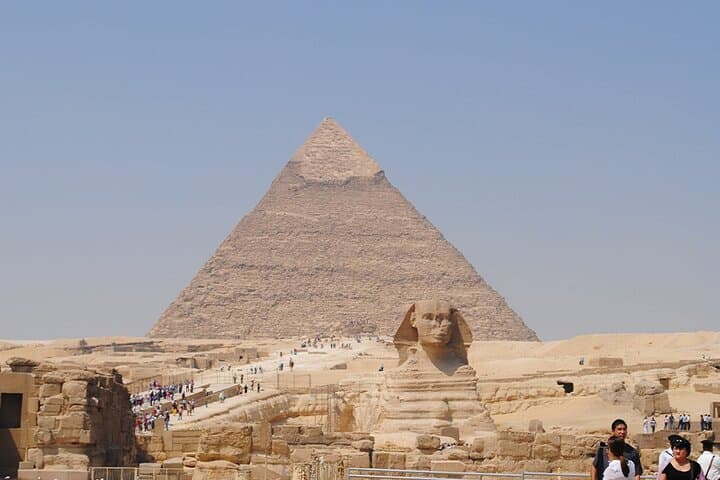
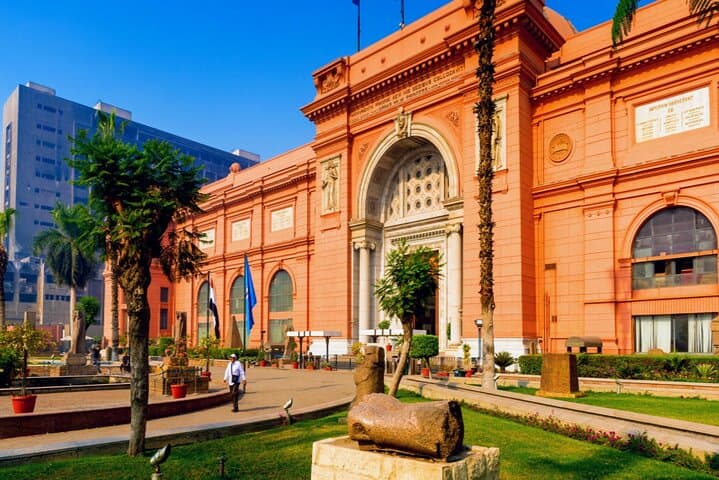
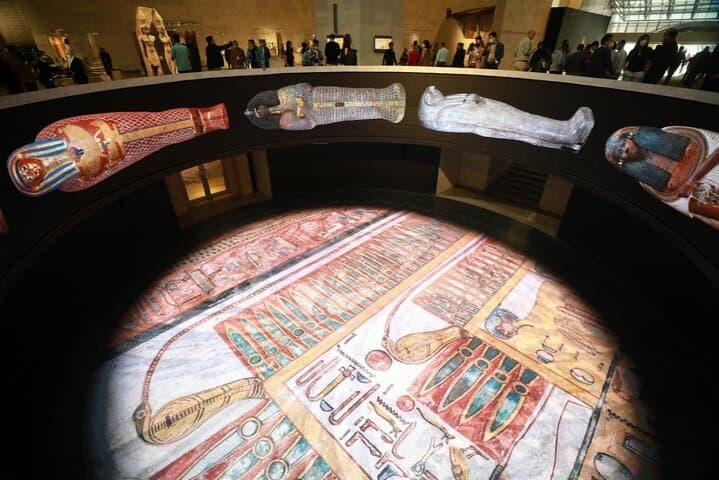
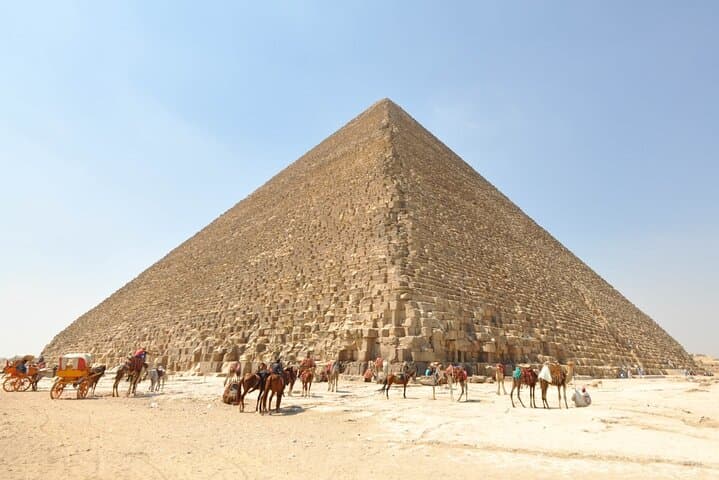
These sites span three thousand years of recorded history. The Giza pyramids and Sphinx mark Old Kingdom ambition; the Egyptian Museum houses tomb treasures that explain funerary practice; Abu Simbel is the showpiece of Ramesses II—its temples famously moved brick by brick during the 1960s Aswan High Dam project to save them from the rising reservoir. Luxor’s Valley of the Kings, Hatshepsut’s mortuary terrace and Karnak’s columned courts reveal New Kingdom power and ritual geography staged along the Nile.
Practical notes: the itinerary includes domestic flights and private transfers, so daylight is best spent at the sites while evenings are for comfortable 5-star hotels. Expect a lot of uneven stone, sun-exposed tours and short, intense bursts of walking between ruins. Bring a sun hat, sunscreen and a reusable water bottle; schedule early starts to avoid the harshest midday heat and keep copies of passports for admissions. Guides handle logistics and skip lines where possible, but entrance fees and peak-season crowds are standard. Travel here feels like negotiating with history—stay alert, stay hydrated, and let the monuments do the talking.
easy.
5 days (approx. 120 hours).
Suitable for most travelers; expect frequent short walks on uneven stone and occasional stairs—basic mobility required.
Most itineraries require separate entrance fees for museums and some sites; check your booking details—guides often advise and handle ticket purchases on site.
This package includes domestic flights (Cairo–Aswan and Luxor–Cairo) and private air-conditioned transfers for overland segments and local transfers.
Many nationalities require a tourist visa for Egypt; you can obtain one on arrival or via e-visa depending on your passport—confirm requirements before travel.
Tipping (baksheesh) is customary for guides, drivers and service staff; carry small notes and tip according to level of service—your guide can advise appropriate amounts.
These sites chart millennia—from Old Kingdom pyramids through New Kingdom temples; Abu Simbel was relocated in the 1960s to prevent inundation from the Aswan High Dam.
High visitor numbers and fragile painted reliefs require strict site etiquette—follow paths, avoid touching carvings and support local guides who promote sustainable visitor practices.
Egypt Best Day Tours operates guided outdoor trips and adventures with an emphasis on safety, stewardship, and memorable experiences.
You arrive into Cairo and the city presses around you—sand-warmed air, a ribbon of traffic and the distant geometry of pyramids cutting the skyline. Over five days you move like a deliberate current down the Nile: monuments that dare your attention in Cairo, the river-bent calm of Aswan, the colossal faces at Abu Simbel, then the funerary landscapes of Luxor.
You arrive into Cairo and the city presses around you—sand-warmed air, a ribbon of traffic and the distant geometry of pyramids cutting the skyline. Over five days you move like a deliberate current down the Nile: monuments that dare your attention in Cairo, the river-bent calm of Aswan, the colossal faces at Abu Simbel, then the funerary landscapes of Luxor.
These sites span three thousand years of recorded history. The Giza pyramids and Sphinx mark Old Kingdom ambition; the Egyptian Museum houses tomb treasures that explain funerary practice; Abu Simbel is the showpiece of Ramesses II—its temples famously moved brick by brick during the 1960s Aswan High Dam project to save them from the rising reservoir. Luxor’s Valley of the Kings, Hatshepsut’s mortuary terrace and Karnak’s columned courts reveal New Kingdom power and ritual geography staged along the Nile.
Practical notes: the itinerary includes domestic flights and private transfers, so daylight is best spent at the sites while evenings are for comfortable 5-star hotels. Expect a lot of uneven stone, sun-exposed tours and short, intense bursts of walking between ruins. Bring a sun hat, sunscreen and a reusable water bottle; schedule early starts to avoid the harshest midday heat and keep copies of passports for admissions. Guides handle logistics and skip lines where possible, but entrance fees and peak-season crowds are standard. Travel here feels like negotiating with history—stay alert, stay hydrated, and let the monuments do the talking.