THE ADVENTURE COLLECTIVE® · Independent discovery and booking for outdoor travel

Move from Cairo's pyramids through Luxor's temple halls to Aswan's Nile islands on a five-day cultural journey. Expect early starts, plenty of walking over ancient stone, and river crossings that reveal Egypt's living history.
Move from Cairo's pyramids through Luxor's temple halls to Aswan's Nile islands on a five-day cultural journey. Expect early starts, plenty of walking over ancient stone, and river crossings that reveal Egypt's living history.
You arrive as the sun softens over the Nile and Cairo's skyline bristles with minarets and traffic; the Great Pyramid looms beyond the bustle, an ancient silhouette against the afternoon haze.
Verified experiences and guided adventures in the surrounding area.
Operated by Egypt Sunny Tours · Cairo, Cairo Governorate
You arrive as the sun softens over the Nile and Cairo's skyline bristles with minarets and traffic; the Great Pyramid looms beyond the bustle, an ancient silhouette against the afternoon haze.
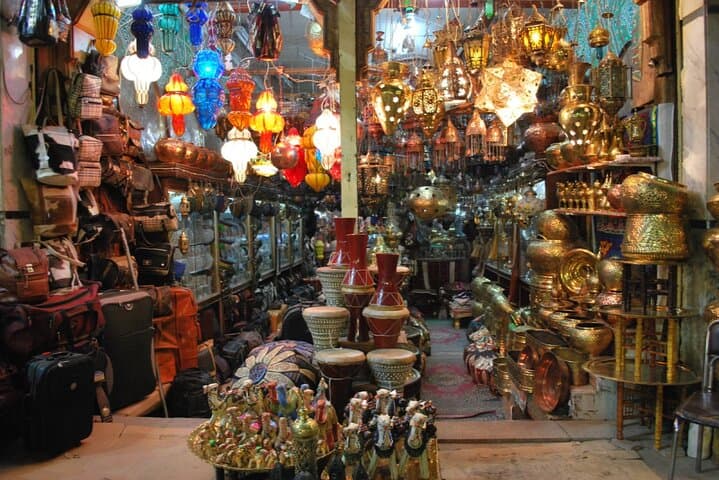
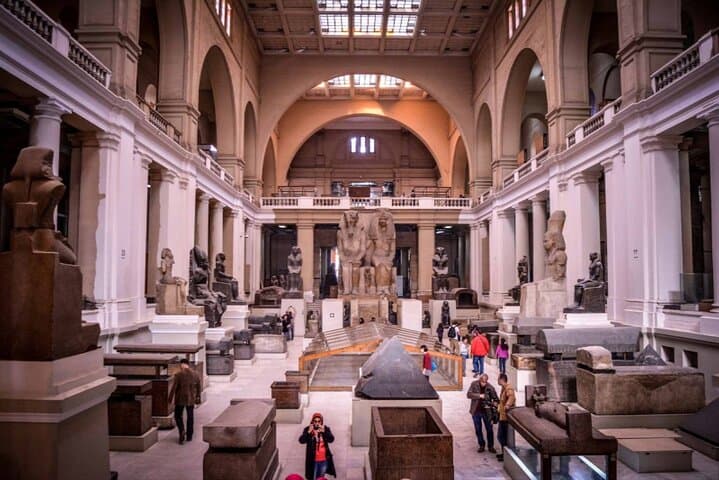
Over five days the trip moves downstream: the capital's crowded souks and the Egyptian Museum's gilded sarcophagi give way to Luxor's sun-baked temple colonnades and the quiet west bank necropolis, then onward to Aswan where the river widens and islands float like green punctuation marks.
This corridor holds millennia: Pharaonic mortuary complexes at Luxor and the Valley of the Kings, New Kingdom obelisks and Karnak's Hypostyle Hall with its forest of 134 columns. Geologically the Nile carved a fertile ribbon through Sahara bedrock, concentrating settlements and monuments on its banks. Nubian culture in Aswan retains distinct language, textiles and boat building traditions shaped by seasonal floods and the later construction of the High Dam.
Practically: expect lots of walking on uneven stone, steps at temple entrances and midday heat. Plan early starts to avoid crowds at the Pyramids and Valley of the Kings; hot air ballooning above Luxor is optional but often subject to weather. Stay hydrated, wear breathable layers and sturdy shoes for temple floors and sandy bank paths. Guides usually handle tickets and transfers; allow time for bargaining in Khan el-Khalili and for boat transfers to Philae.
This itinerary balances iconic sightseeing with paced travel along the Nile—ancient stones, river wind and the pragmatic logistics needed to see them well.
easy.
5 days.
Light fitness required: able to walk 2–4 miles a day with stairs and uneven surfaces; minimal carrying.
This multi-day tour states entrance fees to the mentioned sights are included; confirm specifics for optional extras like the hot air balloon.
No—hot air balloon rides in Luxor are listed as optional and typically booked and paid for separately, often subject to weather.
The listing notes wheelchair accessibility for some elements and transportation, but many ancient sites have steps and uneven terrain—check individual site accessibility in advance.
Visitors to Egypt generally need a valid passport and may require a visa depending on nationality—confirm entry requirements well before travel.
This Nile corridor was the heartland of Pharaonic Egypt: Luxor and Thebes were political and religious centers during the New Kingdom, leaving vast temple complexes and royal tombs.
Temple relocations during the Aswan High Dam project and ongoing site conservation efforts mitigate water damage, but tourism foot traffic and boat wakes require visitor care to preserve fragile stonework.
Egypt Sunny Tours operates guided outdoor trips and adventures with an emphasis on safety, stewardship, and memorable experiences.
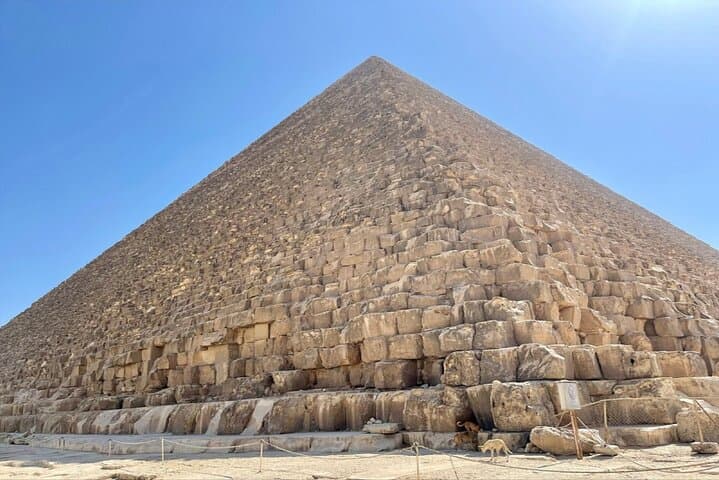
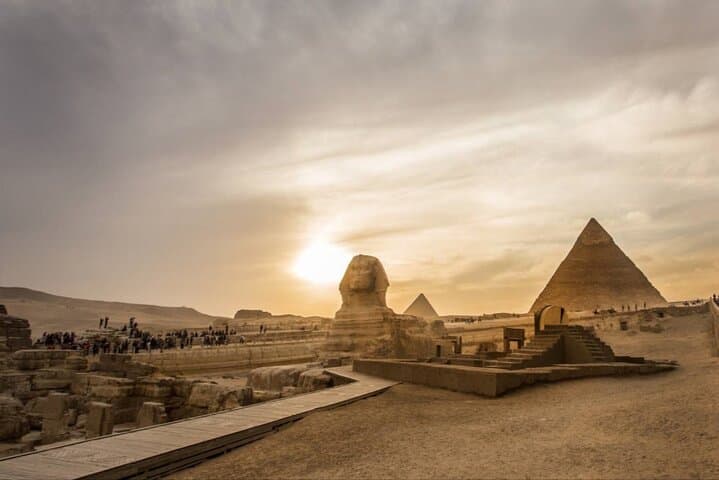
You arrive as the sun softens over the Nile and Cairo's skyline bristles with minarets and traffic; the Great Pyramid looms beyond the bustle, an ancient silhouette against the afternoon haze.
You arrive as the sun softens over the Nile and Cairo's skyline bristles with minarets and traffic; the Great Pyramid looms beyond the bustle, an ancient silhouette against the afternoon haze.
Over five days the trip moves downstream: the capital's crowded souks and the Egyptian Museum's gilded sarcophagi give way to Luxor's sun-baked temple colonnades and the quiet west bank necropolis, then onward to Aswan where the river widens and islands float like green punctuation marks.
This corridor holds millennia: Pharaonic mortuary complexes at Luxor and the Valley of the Kings, New Kingdom obelisks and Karnak's Hypostyle Hall with its forest of 134 columns. Geologically the Nile carved a fertile ribbon through Sahara bedrock, concentrating settlements and monuments on its banks. Nubian culture in Aswan retains distinct language, textiles and boat building traditions shaped by seasonal floods and the later construction of the High Dam.
Practically: expect lots of walking on uneven stone, steps at temple entrances and midday heat. Plan early starts to avoid crowds at the Pyramids and Valley of the Kings; hot air ballooning above Luxor is optional but often subject to weather. Stay hydrated, wear breathable layers and sturdy shoes for temple floors and sandy bank paths. Guides usually handle tickets and transfers; allow time for bargaining in Khan el-Khalili and for boat transfers to Philae.
This itinerary balances iconic sightseeing with paced travel along the Nile—ancient stones, river wind and the pragmatic logistics needed to see them well.