THE ADVENTURE COLLECTIVE® · Independent discovery and booking for outdoor travel

Cross the High Atlas into the Draa valley and trek four nights into the Sahara with camels and local guides. This five-day route blends cultural stops—Ait Benhaddou and palm groves—with multi-day desert camping and dawn-to-dusk walking across Erg Zahar.
Cross the High Atlas into the Draa valley and trek four nights into the Sahara with camels and local guides. This five-day route blends cultural stops—Ait Benhaddou and palm groves—with multi-day desert camping and dawn-to-dusk walking across Erg Zahar.
You crest the Tichka Pass at dawn and the Atlas folds behind you; light spills across ochre plateaus and the road streaks toward a distant ribbon of palms. By the second day the ground softens into tamarisk and then into rolling golden hummocks—each dune daring you to climb. Night camps are quiet but for the whisper of sand and the scrape of camel gear.
Verified experiences and guided adventures in the surrounding area.
Operated by Sahara Vibe · M'Hamid, Drâa-Tafilalet
You crest the Tichka Pass at dawn and the Atlas folds behind you; light spills across ochre plateaus and the road streaks toward a distant ribbon of palms. By the second day the ground softens into tamarisk and then into rolling golden hummocks—each dune daring you to climb. Night camps are quiet but for the whisper of sand and the scrape of camel gear.
The route follows ancient corridors: Ait Benhaddou's earthen kasbahs recall caravan traffic of the 16th century, while the Draa valley's palm groves mark the lifelines of an arid landscape carved by seasonal rivers. Geologically, the region shifts from schist and limestone of the High Atlas to wind-sculpted sand sheets at Erg Zahar; culturally, guides share nomadic practices — water conservation, date cultivation and marabout sanctuaries like Sidi Naji — that anchor life here.
Practically, expect 4 nights in tented camps and daily walks of several hours led by local guides and a camel caravan. Temperatures swing—hot daytime, cold nights—so layer. Hydration is mandatory; carry at least 2–3 liters and a filtration plan. Footwear should handle sandy slopes and rocky approaches encountered en route to Lahdybat. Travel between Marrakech and M'Hamid crosses remote roads; collective taxis or arranged transfers handle the legs over the Tichka Pass.
This itinerary is low on technical difficulty but demands steady pacing, sun management and respect for fragile dune ecology. Reward comes in star-filled silence, shared campfires, and the patient geometry of the desert as it slowly, insistently, moves around you.
moderate.
4–5 days.
Moderate fitness: able to walk 3–6 hours daily on sand and uneven terrain with a light daypack.
The trek is rated moderate: daily walking of several hours over soft sand and occasional rocky terrain, guided with camel support for luggage.
Yes — four nights in nomadic-style tents at campsites with shared facilities; blankets are provided but a personal sleeping liner is recommended.
Yes — the operator notes vegetarian meals are available on demand; notify at booking.
Transfers cross the High Atlas via the Tichka Pass by arranged vehicle or collective taxi; the itinerary includes return transport to Marrakech on day five.
This route follows former trans-Saharan corridors; Ait Benhaddou is a nearby UNESCO ksar with 16th-century origins and frequent film appearances.
The desert is sensitive to off-track travel and wood collection; stick to established camps, minimize waste, and follow guide instructions to protect fragile dune habitats.
Sahara Vibe operates guided outdoor trips and adventures with an emphasis on safety, stewardship, and memorable experiences.
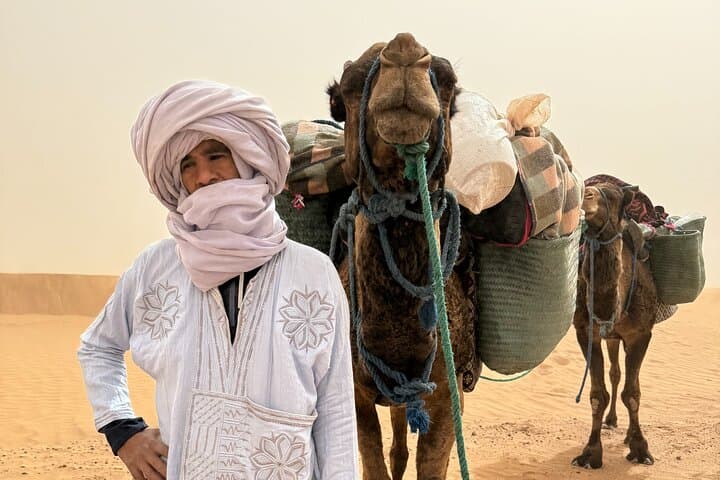
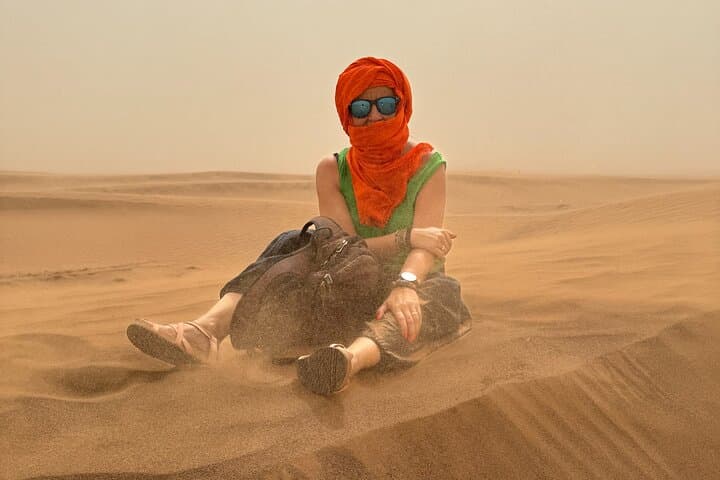
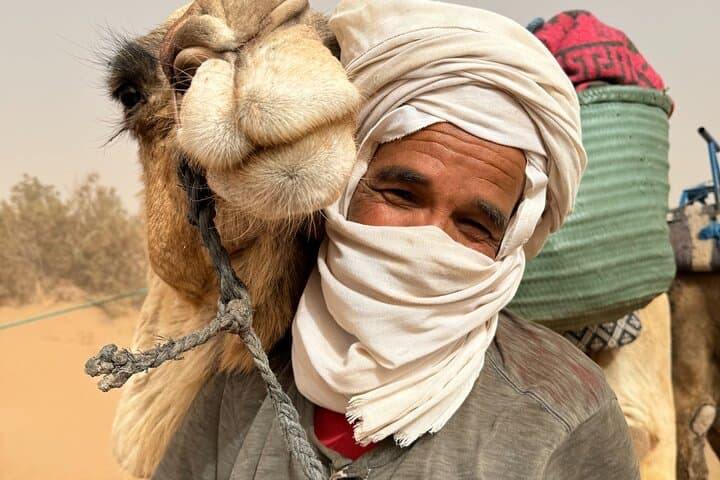
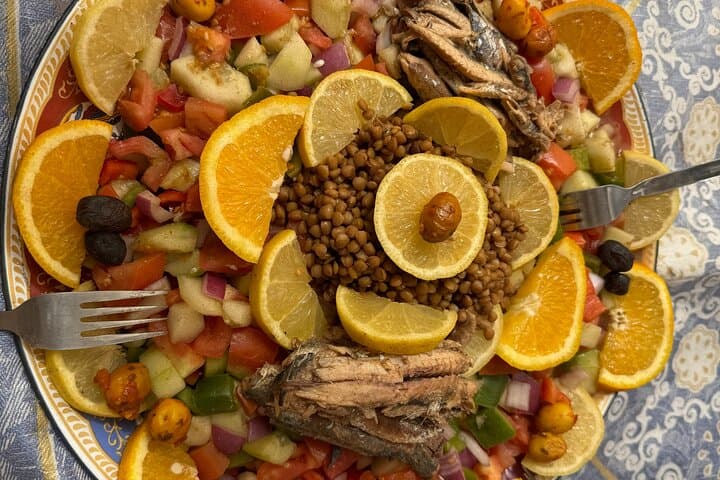
You crest the Tichka Pass at dawn and the Atlas folds behind you; light spills across ochre plateaus and the road streaks toward a distant ribbon of palms. By the second day the ground softens into tamarisk and then into rolling golden hummocks—each dune daring you to climb. Night camps are quiet but for the whisper of sand and the scrape of camel gear.
You crest the Tichka Pass at dawn and the Atlas folds behind you; light spills across ochre plateaus and the road streaks toward a distant ribbon of palms. By the second day the ground softens into tamarisk and then into rolling golden hummocks—each dune daring you to climb. Night camps are quiet but for the whisper of sand and the scrape of camel gear.
The route follows ancient corridors: Ait Benhaddou's earthen kasbahs recall caravan traffic of the 16th century, while the Draa valley's palm groves mark the lifelines of an arid landscape carved by seasonal rivers. Geologically, the region shifts from schist and limestone of the High Atlas to wind-sculpted sand sheets at Erg Zahar; culturally, guides share nomadic practices — water conservation, date cultivation and marabout sanctuaries like Sidi Naji — that anchor life here.
Practically, expect 4 nights in tented camps and daily walks of several hours led by local guides and a camel caravan. Temperatures swing—hot daytime, cold nights—so layer. Hydration is mandatory; carry at least 2–3 liters and a filtration plan. Footwear should handle sandy slopes and rocky approaches encountered en route to Lahdybat. Travel between Marrakech and M'Hamid crosses remote roads; collective taxis or arranged transfers handle the legs over the Tichka Pass.
This itinerary is low on technical difficulty but demands steady pacing, sun management and respect for fragile dune ecology. Reward comes in star-filled silence, shared campfires, and the patient geometry of the desert as it slowly, insistently, moves around you.