THE ADVENTURE COLLECTIVE® · Independent discovery and booking for outdoor travel

Sail the Nile aboard a traditional dahabiya from Luxor to Aswan over five days, visiting Edfu, Kom Ombo and the quarry sites at Gebel el-Silsila. This slow-paced cruise pairs comfortable cabins and guided onshore visits with evenings spent watching river life pass by.
Sail the Nile aboard a traditional dahabiya from Luxor to Aswan over five days, visiting Edfu, Kom Ombo and the quarry sites at Gebel el-Silsila. This slow-paced cruise pairs comfortable cabins and guided onshore visits with evenings spent watching river life pass by.
You step aboard a low-profile dahabiya as the Nile eases you away from Luxor—palm fronds slide past like pages, villages blink into view, and the river carries a steady, measured pace. Deck chairs face the water; the boat hums with the gentle mechanics of a vessel built for slow travel and long sightlines.
Verified experiences and guided adventures in the surrounding area.
Operated by Egypt Best Day Tours · Luxor, Luxor Governorate
You step aboard a low-profile dahabiya as the Nile eases you away from Luxor—palm fronds slide past like pages, villages blink into view, and the river carries a steady, measured pace. Deck chairs face the water; the boat hums with the gentle mechanics of a vessel built for slow travel and long sightlines.
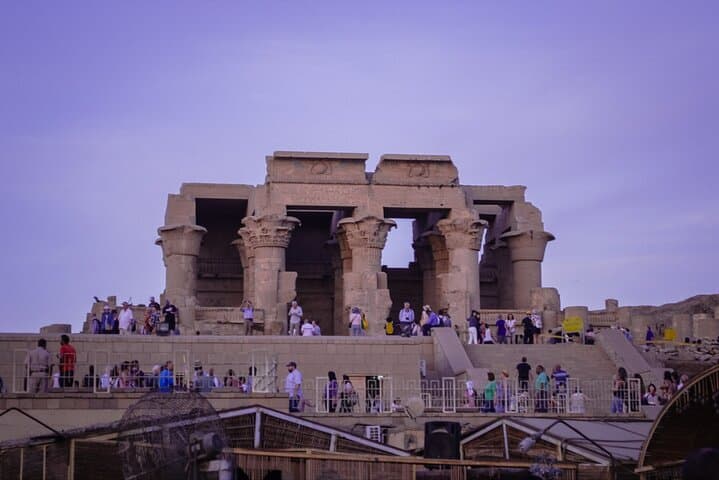
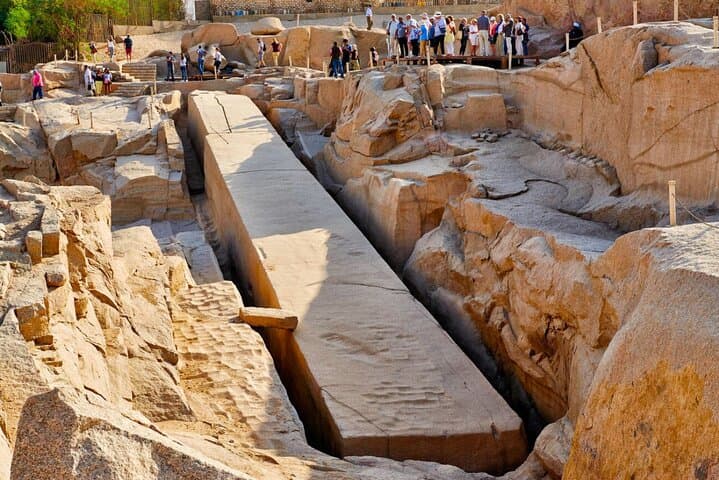
This route traces layered history: Greco-Roman temples at Edfu, the dual sanctuaries of Kom Ombo, and the quarry-carved shrines of Gebel el-Silsila where pharaonic stone was wrested from the hills. Geologically the Nile corridor is a ribbon of fertile alluvium cutting through sandstone and limestone—those same materials carved into monumental façades. Culturally, small riverside markets and village life still operate on the river’s schedule, and local guides bring stories of gods, irrigation and engineering across millennia.
Practically, expect four nights aboard a dahabiya with en-suite cabins, full-board meals, and short guided walks or onshore visits each day. Days are paced: mornings for temples, afternoons for sailing and soft light, evenings for conversation on deck or a beach barbecue. Heat peaks from late spring through summer—early starts and hats help. Bring modest clothing for temple visits and comfortable shoes for uneven stone and quayside steps. Carry small bills for market purchases and tipping; signal coverage can be intermittent between towns.
The voyage suits travelers who want history served slowly, with comfort and local insight. The river will coax you into a different tempo—one that rewards attention and patience.
easy.
5 days (approx. 4 nights aboard).
Suitable for travelers in average physical condition who can board small boats and walk short distances on uneven terrain
Yes; the itinerary specifies luxurious cabins with en-suite bathrooms and air conditioning for comfortable overnight stays.
Visa requirements depend on nationality—check Egypt’s official visa rules well before travel and carry passport details requested at booking.
Guided visits are included but some monuments may charge separate entrance fees—confirm with the operator for specifics on what is covered.
The cruise is described as suitable for all fitness levels; infants must sit on laps and parents should manage boarding and onshore safety for young children.
The stretch between Luxor and Aswan is rich with pharaonic and Greco-Roman monuments; Gebel el-Silsila was a major sandstone quarry supplying stone for temples and obelisks.
Visitors should avoid touching ancient reliefs, use reef- and river-safe sunscreen, and minimize plastic waste to protect fragile archaeological sites and the Nile ecosystem.
Egypt Best Day Tours operates guided outdoor trips and adventures with an emphasis on safety, stewardship, and memorable experiences.


You step aboard a low-profile dahabiya as the Nile eases you away from Luxor—palm fronds slide past like pages, villages blink into view, and the river carries a steady, measured pace. Deck chairs face the water; the boat hums with the gentle mechanics of a vessel built for slow travel and long sightlines.
You step aboard a low-profile dahabiya as the Nile eases you away from Luxor—palm fronds slide past like pages, villages blink into view, and the river carries a steady, measured pace. Deck chairs face the water; the boat hums with the gentle mechanics of a vessel built for slow travel and long sightlines.
This route traces layered history: Greco-Roman temples at Edfu, the dual sanctuaries of Kom Ombo, and the quarry-carved shrines of Gebel el-Silsila where pharaonic stone was wrested from the hills. Geologically the Nile corridor is a ribbon of fertile alluvium cutting through sandstone and limestone—those same materials carved into monumental façades. Culturally, small riverside markets and village life still operate on the river’s schedule, and local guides bring stories of gods, irrigation and engineering across millennia.
Practically, expect four nights aboard a dahabiya with en-suite cabins, full-board meals, and short guided walks or onshore visits each day. Days are paced: mornings for temples, afternoons for sailing and soft light, evenings for conversation on deck or a beach barbecue. Heat peaks from late spring through summer—early starts and hats help. Bring modest clothing for temple visits and comfortable shoes for uneven stone and quayside steps. Carry small bills for market purchases and tipping; signal coverage can be intermittent between towns.
The voyage suits travelers who want history served slowly, with comfort and local insight. The river will coax you into a different tempo—one that rewards attention and patience.