THE ADVENTURE COLLECTIVE® · Independent discovery and booking for outdoor travel

Navigate blackwater rivers, hike flooded forest trails, and sleep in a simple jungle lodge on a five‑day trip into Ecuador’s Cuyabeno Wildlife Reserve. Expect canoe safaris at dawn, indigenous cultural encounters, and guided night walks to find caimans and colorful frogs.
Navigate blackwater rivers, hike flooded forest trails, and sleep in a simple jungle lodge on a five‑day trip into Ecuador’s Cuyabeno Wildlife Reserve. Expect canoe safaris at dawn, indigenous cultural encounters, and guided night walks to find caimans and colorful frogs.
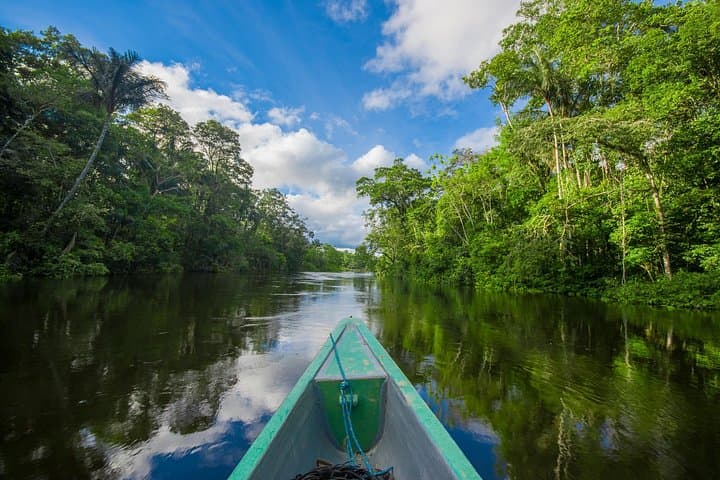
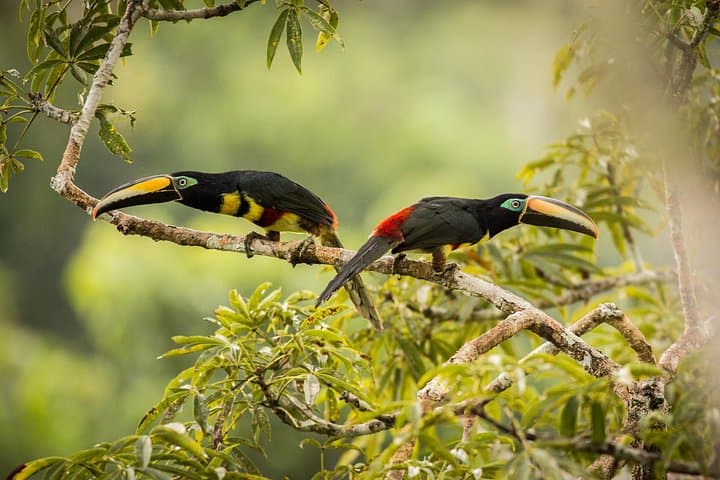
A motor canoe parts the glassy blackwater at dawn and the forest exhales—birds call, leaves drip, and the river dares you forward. Your first hours leave real civilization behind at El Puente; three hours of river, a scatter of stilted houses, then a simple lodge where nights hum with amphibian chorus.
Verified experiences and guided adventures in the surrounding area.
Operated by Ecuador Galapagos Travels · Nueva Loja (Lago Agrio), Sucumbíos
A motor canoe parts the glassy blackwater at dawn and the forest exhales—birds call, leaves drip, and the river dares you forward. Your first hours leave real civilization behind at El Puente; three hours of river, a scatter of stilted houses, then a simple lodge where nights hum with amphibian chorus.
The Cuyabeno Wildlife Reserve protects more than 600,000 hectares of lowland Amazon at the foothills of the Andes. Geologically it’s a broad floodplain sculpted by meandering rivers and seasonal inundation that creates igapó (flooded forest) and oxbow lagoons. Culturally the area is home to Siona and other indigenous communities whose medicinal plant knowledge guides many interpretive walks. The reserve’s ecology concentrates biodiversity—trees, epiphytes and countless insects create tight, complex layers of life.
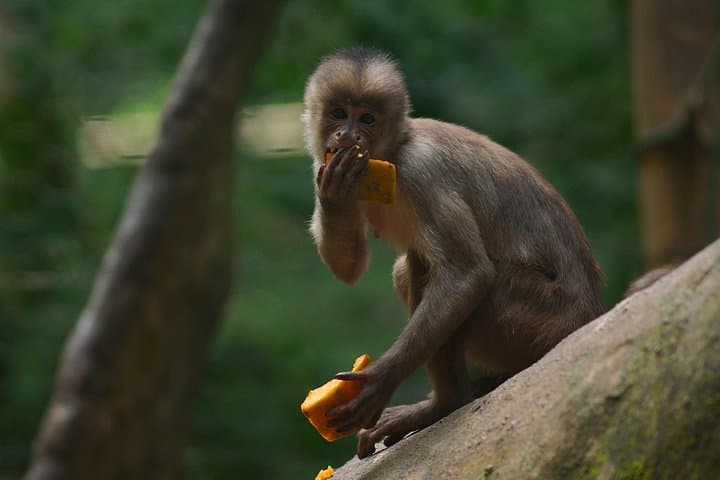
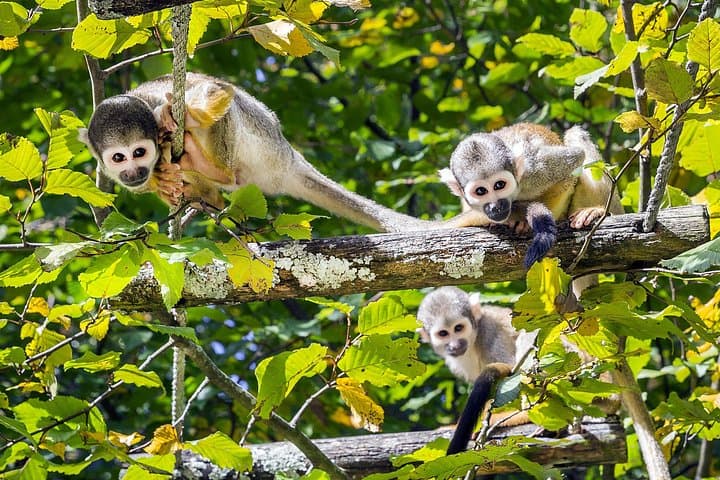
Expect early starts and small-group canoe trips; wildlife is most active at first light and near sunset. Days alternate guided hikes through muddy trails and canoe excursions along narrow channels where river dolphins surface and howler monkeys move like live wire. Lodging is basic (2–3 star): bunk-style rooms, shared facilities, and communal meals—comfort traded for immersion.
Practical guidance: pack a breathable rain jacket and high-traction waterproof boots, use sleep nets and long sleeves for mosquitoes, and carry a dry bag for electronics. Bring cash in small bills and copies of passport details; the journey to and from Lago Agrio often involves local buses and boat timetables. Health-wise, consult a travel clinic about vaccinations and antimalarial options before travel. Move quietly, follow your guide’s instructions around wildlife, and leave no trace—the jungle keeps its secrets for those who respect it.
moderate.
5 days.
Moderate fitness: able to walk uneven, sometimes muddy trails and sit in canoes for hours.
Most trips meet in Lago Agrio (Nueva Loja) with a bus to El Puente followed by a motorized canoe transfer to the lodge—expect 2–4 hours of overland travel plus 2–3 hours by boat.
Accommodations are basic (shared bathrooms and simple bedding) focused on immersion; don’t expect resort amenities but expect hot meals and mosquito nets.
Consult a travel clinic: routine vaccinations are recommended, and malaria prophylaxis or preventive measures may be advised depending on itinerary and health history.
Families with older, adaptable children can manage the itinerary, but the tour is not recommended for those with mobility limitations or very young kids due to long canoe transfers and basic facilities.
The Cuyabeno Reserve, created to protect a large tract of Amazonian lowland forest, preserves ecosystems and the cultures of indigenous groups like the Siona who have lived here for generations.
Tourism here supports local lodges and indigenous communities; stick to guided paths, avoid feeding wildlife, and minimize plastic waste to reduce impact.
Ecuador Galapagos Travels operates guided outdoor trips and adventures with an emphasis on safety, stewardship, and memorable experiences.
A motor canoe parts the glassy blackwater at dawn and the forest exhales—birds call, leaves drip, and the river dares you forward. Your first hours leave real civilization behind at El Puente; three hours of river, a scatter of stilted houses, then a simple lodge where nights hum with amphibian chorus.
A motor canoe parts the glassy blackwater at dawn and the forest exhales—birds call, leaves drip, and the river dares you forward. Your first hours leave real civilization behind at El Puente; three hours of river, a scatter of stilted houses, then a simple lodge where nights hum with amphibian chorus.
The Cuyabeno Wildlife Reserve protects more than 600,000 hectares of lowland Amazon at the foothills of the Andes. Geologically it’s a broad floodplain sculpted by meandering rivers and seasonal inundation that creates igapó (flooded forest) and oxbow lagoons. Culturally the area is home to Siona and other indigenous communities whose medicinal plant knowledge guides many interpretive walks. The reserve’s ecology concentrates biodiversity—trees, epiphytes and countless insects create tight, complex layers of life.
Expect early starts and small-group canoe trips; wildlife is most active at first light and near sunset. Days alternate guided hikes through muddy trails and canoe excursions along narrow channels where river dolphins surface and howler monkeys move like live wire. Lodging is basic (2–3 star): bunk-style rooms, shared facilities, and communal meals—comfort traded for immersion.
Practical guidance: pack a breathable rain jacket and high-traction waterproof boots, use sleep nets and long sleeves for mosquitoes, and carry a dry bag for electronics. Bring cash in small bills and copies of passport details; the journey to and from Lago Agrio often involves local buses and boat timetables. Health-wise, consult a travel clinic about vaccinations and antimalarial options before travel. Move quietly, follow your guide’s instructions around wildlife, and leave no trace—the jungle keeps its secrets for those who respect it.