THE ADVENTURE COLLECTIVE® · Independent discovery and booking for outdoor travel

Five days at Tucan Lodge place you into Cuyabeno’s flooded forests and river channels—canoe quietly at dawn, hike primary forest with a naturalist, and visit an indigenous community to learn local traditions. Expect damp conditions, close wildlife encounters, and simple lodge comfort.
Five days at Tucan Lodge place you into Cuyabeno’s flooded forests and river channels—canoe quietly at dawn, hike primary forest with a naturalist, and visit an indigenous community to learn local traditions. Expect damp conditions, close wildlife encounters, and simple lodge comfort.
Sunlight filters in thin green bands through the canopy as your canoe slips past flooded roots and blackwater channels; the river seems to breathe, nudging you deeper into forest that still decides who stays and who moves on. Tucan Lodge sits on a slow bend of the Cuyabeno River, a basecamp for early-morning birdwatching, twilight caiman searches, and evenings of guide-led talks about plants that heal and animals that hide.
Verified experiences and guided adventures in the surrounding area.
Operated by Kajol Lavan Travel · Lago Agrio (Nueva Loja), Sucumbíos
Sunlight filters in thin green bands through the canopy as your canoe slips past flooded roots and blackwater channels; the river seems to breathe, nudging you deeper into forest that still decides who stays and who moves on. Tucan Lodge sits on a slow bend of the Cuyabeno River, a basecamp for early-morning birdwatching, twilight caiman searches, and evenings of guide-led talks about plants that heal and animals that hide.
The Cuyabeno Reserve protects one of Ecuador’s largest freshwater wetlands. Geologically this region is part of the Amazon basin’s low-lying alluvial plain; sediment-rich rivers have created a mosaic of oxbow lakes, seasonally flooded forest, and emergent channels. Indigenous Siona and Secoya communities have lived here for generations, and many lodge programs include visits that explain traditional foodways, medicinal plants, and craftsmanship.
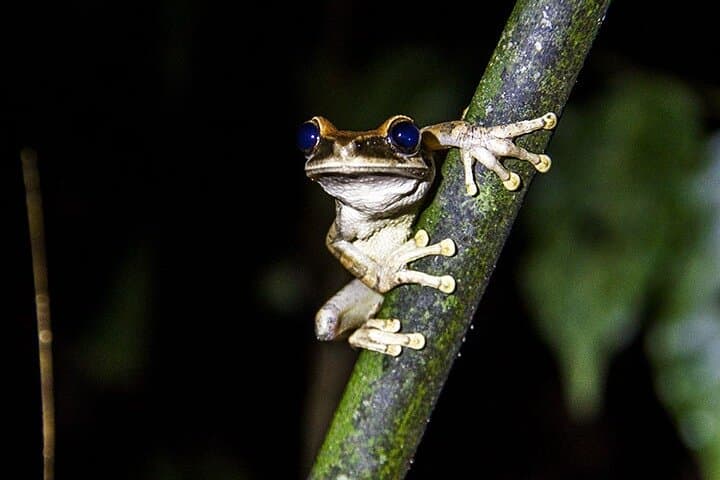
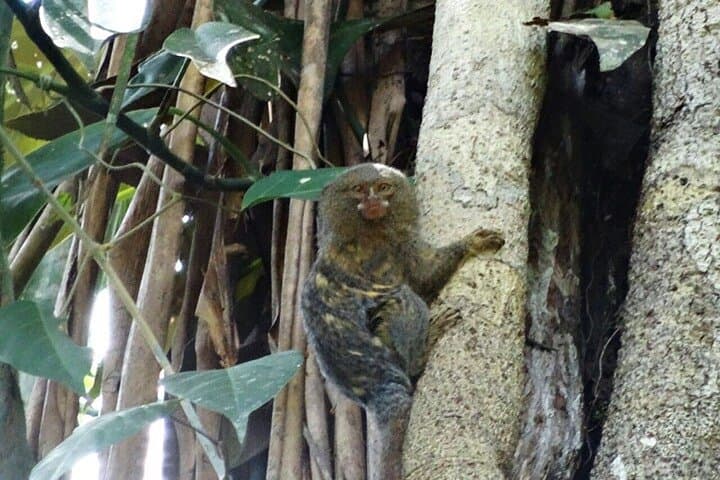
Over five days you’ll alternate quiet canoeing and guided forest walks: dawn bird surveys, daytime hikes on elevated trails, chocolate-and-coffee preparations at camp, and night paddles to spot caimans and nocturnal frogs. Wildlife—howler monkeys, sloths, toucans, and occasionally pink river dolphins—reveals itself to those who move slowly and listen.
Practical notes: travel includes long overland transfers from Lago Agrio and river travel by motorized canoe to reach the lodge; expect basic private rooms, shared-meal service, and included rain gear and rubber boots if needed. Bring quick-dry clothing, insect protection, and a small daypack for hikes. Plan for damp conditions year-round and respect local conservation rules: avoid single-use plastics, follow guide instructions, and keep noise low to maximize wildlife encounters.
moderate.
5 days.
Comfortable with light to moderate walking, several hours canoeing, and the ability to climb boat ramps and steps; no special fitness required.
Most itineraries use an overnight bus to Lago Agrio (Nueva Loja) followed by river transport and canoe rides to the lodge; confirm pickup details and times with the operator.
Yes—accommodation in private double/triple rooms and meals (breakfast, lunch, dinner) are included, as well as purified water and some excursions.
Wildlife sightings aren’t guaranteed, but early-morning canoeing and night paddles increase chances of spotting pink river dolphins, caimans, and various birds.
The tour is labeled suitable for most fitness levels but requires boat transfers, steps, and uneven trails; it’s not recommended for guests with serious back, heart issues, or pregnancy—check operator guidance before booking.
Cuyabeno Reserve protects Amazonian wetland ecosystems and has long been inhabited by indigenous Siona and Secoya communities whose knowledge shapes local guiding and cultural visits.
Community-based tourism supports local livelihoods; follow guide instructions, avoid single-use plastics, and stay on designated trails to limit disturbance to fragile flooded forests.
Kajol Lavan Travel operates guided outdoor trips and adventures with an emphasis on safety, stewardship, and memorable experiences.


Sunlight filters in thin green bands through the canopy as your canoe slips past flooded roots and blackwater channels; the river seems to breathe, nudging you deeper into forest that still decides who stays and who moves on. Tucan Lodge sits on a slow bend of the Cuyabeno River, a basecamp for early-morning birdwatching, twilight caiman searches, and evenings of guide-led talks about plants that heal and animals that hide.
Sunlight filters in thin green bands through the canopy as your canoe slips past flooded roots and blackwater channels; the river seems to breathe, nudging you deeper into forest that still decides who stays and who moves on. Tucan Lodge sits on a slow bend of the Cuyabeno River, a basecamp for early-morning birdwatching, twilight caiman searches, and evenings of guide-led talks about plants that heal and animals that hide.
The Cuyabeno Reserve protects one of Ecuador’s largest freshwater wetlands. Geologically this region is part of the Amazon basin’s low-lying alluvial plain; sediment-rich rivers have created a mosaic of oxbow lakes, seasonally flooded forest, and emergent channels. Indigenous Siona and Secoya communities have lived here for generations, and many lodge programs include visits that explain traditional foodways, medicinal plants, and craftsmanship.
Over five days you’ll alternate quiet canoeing and guided forest walks: dawn bird surveys, daytime hikes on elevated trails, chocolate-and-coffee preparations at camp, and night paddles to spot caimans and nocturnal frogs. Wildlife—howler monkeys, sloths, toucans, and occasionally pink river dolphins—reveals itself to those who move slowly and listen.
Practical notes: travel includes long overland transfers from Lago Agrio and river travel by motorized canoe to reach the lodge; expect basic private rooms, shared-meal service, and included rain gear and rubber boots if needed. Bring quick-dry clothing, insect protection, and a small daypack for hikes. Plan for damp conditions year-round and respect local conservation rules: avoid single-use plastics, follow guide instructions, and keep noise low to maximize wildlife encounters.