THE ADVENTURE COLLECTIVE® · Independent discovery and booking for outdoor travel

A compact five-day loop from Cusco through the Sacred Valley to Machu Picchu, combining high-altitude ruins, terraced agricultural labs and the striking salt pans of Maras. Expect vehicle transfers, guided walks and altitude-aware planning.
A compact five-day loop from Cusco through the Sacred Valley to Machu Picchu, combining high-altitude ruins, terraced agricultural labs and the striking salt pans of Maras. Expect vehicle transfers, guided walks and altitude-aware planning.
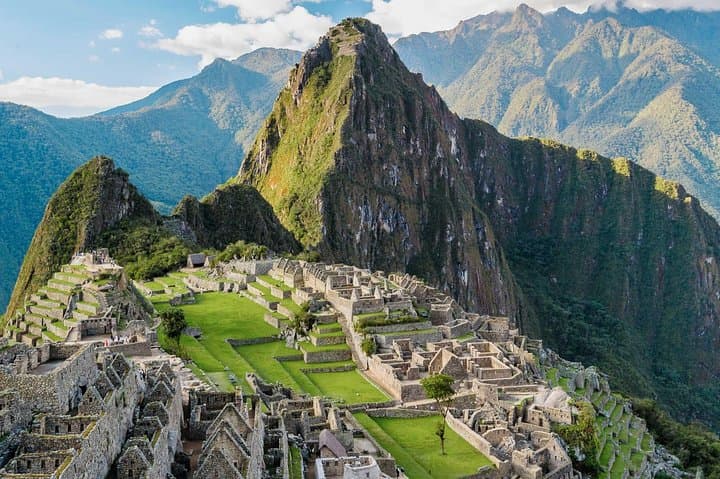
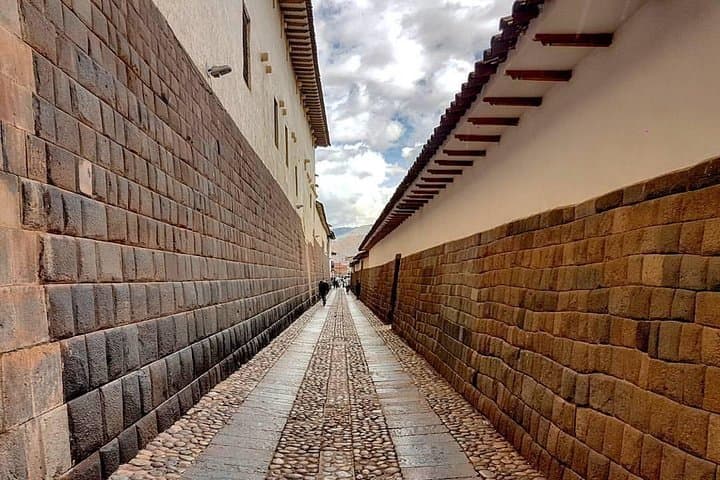
You step off the van and the air feels thinner — cool, sharp, and full of stone and smoke from street food stalls. Cusco’s Plaza de Armas hums with colonial façades and the steady presence of Andean ridgelines. Over the next five days you move between highland towns, terraced ruins and a citadel that slides into view above the cloud line.
Verified experiences and guided adventures in the surrounding area.
Operated by Chullos Travel Peru · Cusco, Cusco
You step off the van and the air feels thinner — cool, sharp, and full of stone and smoke from street food stalls. Cusco’s Plaza de Armas hums with colonial façades and the steady presence of Andean ridgelines. Over the next five days you move between highland towns, terraced ruins and a citadel that slides into view above the cloud line.
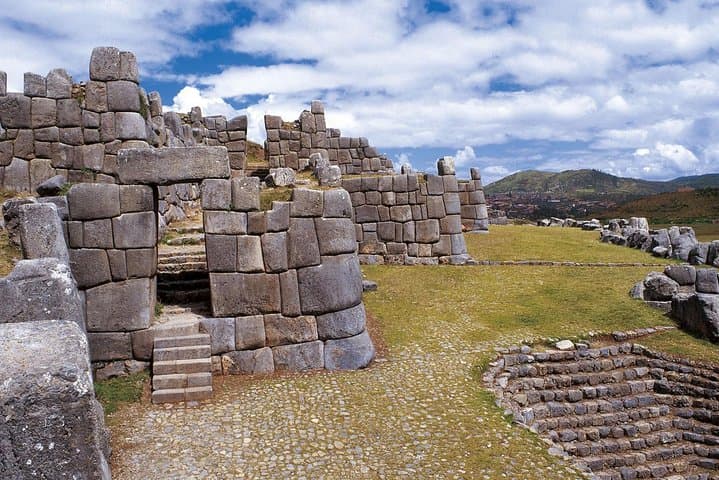
This itinerary threads together Inca engineering and Andean livelihoods: the ceremonial terraces at Moray, carved concentric bowls once used for crop trials; the salt pans of Maras, fed by a mineral spring that locals have harvested for centuries; and the Sacred Valley’s fortified towns like Ollantaytambo and agricultural site of Pisac. Geologically, you’ll cross uplifted volcanic and sedimentary formations that give the valley its stepped terraces and fast-draining soils. Altitudes vary dramatically — Cusco sits near 3,400 m, Ollantaytambo around 2,800–2,900 m, Aguas Calientes about 2,040 m, and Machu Picchu itself is roughly 2,430 m — so pace and hydration matter.
Expect a mix of short guided walks, stone stair climbs and vehicle transfers; trails are mostly uneven stone and compacted dirt with short steep sections at archaeological sites. Practical notes: acclimatize in Cusco, carry layered clothing for sun and wind, and bring extra water and sunscreen. Early mornings at Machu Picchu reward you with thinning clouds and quieter terraces; afternoons can turn hazy and wet during the rainy months. This trip balances culture, geology and accessible trekking — it asks for steady legs more than technical skills, and offers high-reward views for moderate effort.
moderate.
5 days.
Moderate — able to walk 2–4 hours a day on uneven stone and climb stairs repeatedly; allow time to rest for altitude.
Yes — Cusco and many sites are above 2,500 m; acclimatize by resting on arrival, hydrate, avoid heavy exertion the first day and consult a doctor about medication if you have concerns.
Tickets are booked through Peru’s Ministry of Culture and the operator will purchase per availability; if tickets for your selected circuit are unavailable you should receive a refund per the supplier policy.
Visits involve uneven stone paths, many stairs and short steep sections; they require steady balance and moderate mobility but no technical climbing skills.
Trains typically allow one checked bag and a small carry-on; check with the operator for exact size and weight limits to avoid extra fees.
The route follows Inca economic and ritual landscapes — terraces, storage sites and waterworks that sustained highland agriculture and imperial logistics.
Sites are protected by visitor limits and regulated circuits; stick to marked paths, avoid touching masonry and support local guides who promote sustainable tourism.
Chullos Travel Peru operates guided outdoor trips and adventures with an emphasis on safety, stewardship, and memorable experiences.
You step off the van and the air feels thinner — cool, sharp, and full of stone and smoke from street food stalls. Cusco’s Plaza de Armas hums with colonial façades and the steady presence of Andean ridgelines. Over the next five days you move between highland towns, terraced ruins and a citadel that slides into view above the cloud line.
You step off the van and the air feels thinner — cool, sharp, and full of stone and smoke from street food stalls. Cusco’s Plaza de Armas hums with colonial façades and the steady presence of Andean ridgelines. Over the next five days you move between highland towns, terraced ruins and a citadel that slides into view above the cloud line.
This itinerary threads together Inca engineering and Andean livelihoods: the ceremonial terraces at Moray, carved concentric bowls once used for crop trials; the salt pans of Maras, fed by a mineral spring that locals have harvested for centuries; and the Sacred Valley’s fortified towns like Ollantaytambo and agricultural site of Pisac. Geologically, you’ll cross uplifted volcanic and sedimentary formations that give the valley its stepped terraces and fast-draining soils. Altitudes vary dramatically — Cusco sits near 3,400 m, Ollantaytambo around 2,800–2,900 m, Aguas Calientes about 2,040 m, and Machu Picchu itself is roughly 2,430 m — so pace and hydration matter.
Expect a mix of short guided walks, stone stair climbs and vehicle transfers; trails are mostly uneven stone and compacted dirt with short steep sections at archaeological sites. Practical notes: acclimatize in Cusco, carry layered clothing for sun and wind, and bring extra water and sunscreen. Early mornings at Machu Picchu reward you with thinning clouds and quieter terraces; afternoons can turn hazy and wet during the rainy months. This trip balances culture, geology and accessible trekking — it asks for steady legs more than technical skills, and offers high-reward views for moderate effort.