THE ADVENTURE COLLECTIVE® · Independent discovery and booking for outdoor travel

A five-day loop from Cusco into the Sacred Valley and Machu Picchu that mixes Inca archaeology, dramatic highland scenery, and village markets. Perfect for travelers seeking cultural depth with manageable daily walks and guided interpretation.
A five-day loop from Cusco into the Sacred Valley and Machu Picchu that mixes Inca archaeology, dramatic highland scenery, and village markets. Perfect for travelers seeking cultural depth with manageable daily walks and guided interpretation.
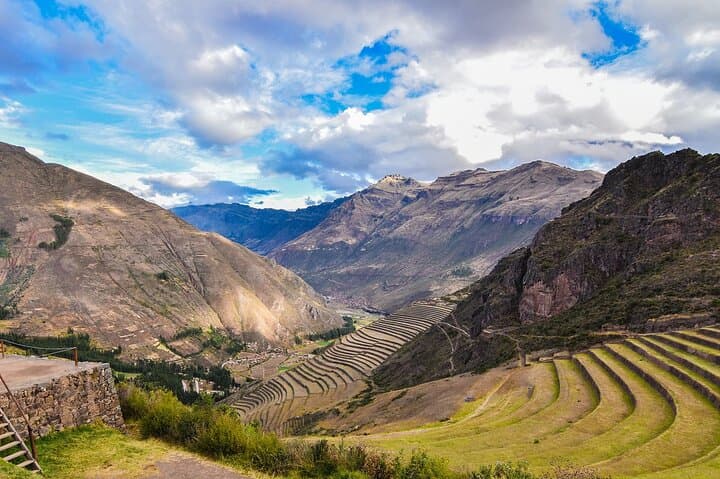
You step off the bus and the thin highland air presses cool and sharp against your face — a reminder that every step here is measured by altitude as much as distance. Streets in Cusco’s historic center hum with market vendors and church bells; later, the trail turns to terraces carved into the mountains, and the Vilcanota River threads the valley like a bright line.
Verified experiences and guided adventures in the surrounding area.
Operated by Machupicchu Holiday · Cusco, Cusco Region
You step off the bus and the thin highland air presses cool and sharp against your face — a reminder that every step here is measured by altitude as much as distance. Streets in Cusco’s historic center hum with market vendors and church bells; later, the trail turns to terraces carved into the mountains, and the Vilcanota River threads the valley like a bright line.
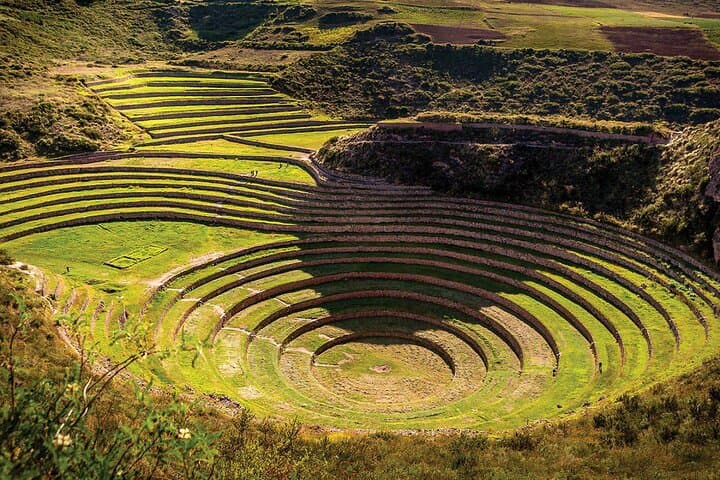
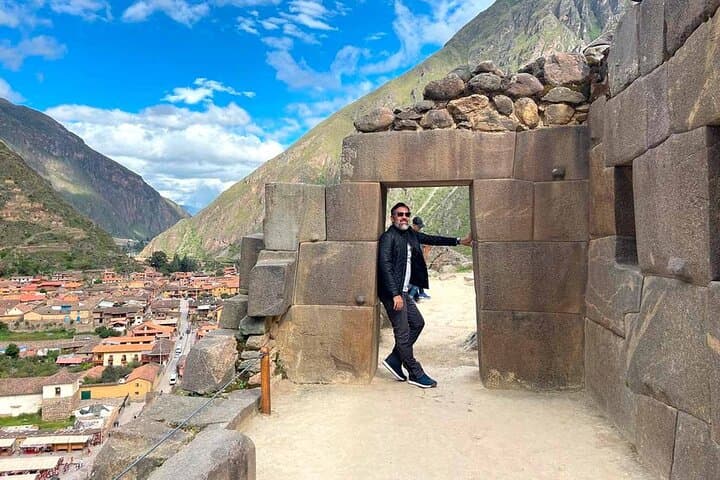
Cusco was the administrative heart of the Inca empire, its stonework at Sacsayhuamán revealing construction precision that still puzzles engineers. The Sacred Valley’s geology — steep river-cut canyons and friable volcanic-andesitic slopes — supported the Incas’ high-altitude agriculture. Moray’s concentric terraces served as experimental microclimates, while the Maras salt pans show continuous human ingenuity at work since pre-Inca times.
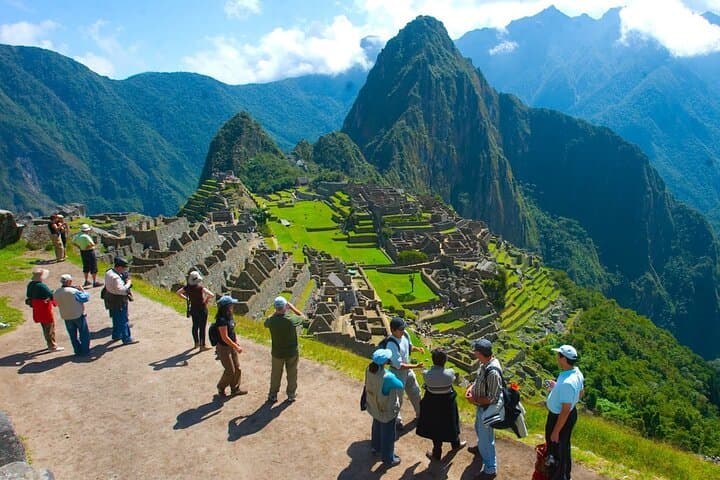
Over five days you move from urban ruins to valley farms and finally to the citadel of Machu Picchu, reached by scenic rail and a steep 25-minute bus climb. Expect moderate walking each day, short uphill sections, high-elevation exposure, and crowds at peak viewpoints. Guides focus on the main sectors of the citadel, while free time in Aguas Calientes lets you visit hot springs or the artisan market.
Practical edge: hydrate well before hikes, carry sunscreen and layers for wind and sun, and keep passport and any Machu Picchu ticket details handy — entry checks are strict. Travel during the dry season for clearer views, and leave no trace on fragile terraces. This itinerary balances cultural context and manageable walks, making it ideal for travelers who want rich history without technical hiking demands.
moderate.
5 days.
Moderate fitness recommended — able to walk 2–4 hours a day on uneven ground and tolerate high altitude.
Check your booking confirmation — tours often include train and bus transfers but Machu Picchu tickets may be separate; if not included the operator typically assists with purchase and ticket instructions.
Acclimatize with a light first day in Cusco, hydrate, avoid alcohol, and consider acetazolamide after consulting your doctor; notify guides if symptoms worsen.
This shared itinerary lists up to 18 travelers with a professional guide — ask the operator for available guide languages when booking.
Some flexibility exists depending on group timing and train schedules; request adjustments in advance but expect fixed windows for train and entrance timings.
Cusco was the Inca Empire’s political center; Moray’s concentric agricultural terraces are believed to be a microclimate research site used for crop experimentation.
Machu Picchu has strict visitor pathways and time slots to reduce erosion; stick to trails, avoid droning, and support local guides and communities to keep tourism sustainable.
Machupicchu Holiday operates guided outdoor trips and adventures with an emphasis on safety, stewardship, and memorable experiences.
You step off the bus and the thin highland air presses cool and sharp against your face — a reminder that every step here is measured by altitude as much as distance. Streets in Cusco’s historic center hum with market vendors and church bells; later, the trail turns to terraces carved into the mountains, and the Vilcanota River threads the valley like a bright line.
You step off the bus and the thin highland air presses cool and sharp against your face — a reminder that every step here is measured by altitude as much as distance. Streets in Cusco’s historic center hum with market vendors and church bells; later, the trail turns to terraces carved into the mountains, and the Vilcanota River threads the valley like a bright line.
Cusco was the administrative heart of the Inca empire, its stonework at Sacsayhuamán revealing construction precision that still puzzles engineers. The Sacred Valley’s geology — steep river-cut canyons and friable volcanic-andesitic slopes — supported the Incas’ high-altitude agriculture. Moray’s concentric terraces served as experimental microclimates, while the Maras salt pans show continuous human ingenuity at work since pre-Inca times.
Over five days you move from urban ruins to valley farms and finally to the citadel of Machu Picchu, reached by scenic rail and a steep 25-minute bus climb. Expect moderate walking each day, short uphill sections, high-elevation exposure, and crowds at peak viewpoints. Guides focus on the main sectors of the citadel, while free time in Aguas Calientes lets you visit hot springs or the artisan market.
Practical edge: hydrate well before hikes, carry sunscreen and layers for wind and sun, and keep passport and any Machu Picchu ticket details handy — entry checks are strict. Travel during the dry season for clearer views, and leave no trace on fragile terraces. This itinerary balances cultural context and manageable walks, making it ideal for travelers who want rich history without technical hiking demands.