THE ADVENTURE COLLECTIVE® · Independent discovery and booking for outdoor travel

Five days of Andean history, highland vistas and archaeological highlights—Cusco, the Sacred Valley, Machu Picchu, Maras and Moray—linked by two train rides and comfortable 4-star hotels. Expect steep stone steps, high-altitude walking and time-sensitive tickets that require planning.
Five days of Andean history, highland vistas and archaeological highlights—Cusco, the Sacred Valley, Machu Picchu, Maras and Moray—linked by two train rides and comfortable 4-star hotels. Expect steep stone steps, high-altitude walking and time-sensitive tickets that require planning.
The day begins before sunrise when the bus winds out of Aguas Calientes and the clouds part to reveal Machu Picchu’s stone terraces stacked against a knife-edge ridge. You move through the citadel with a guide, the first light catching carved stairways and long, steep terraces that drop toward the Urubamba River far below.
Verified experiences and guided adventures in the surrounding area.
Operated by Amaru Explorer Peru · Cusco, Cusco
The day begins before sunrise when the bus winds out of Aguas Calientes and the clouds part to reveal Machu Picchu’s stone terraces stacked against a knife-edge ridge. You move through the citadel with a guide, the first light catching carved stairways and long, steep terraces that drop toward the Urubamba River far below.
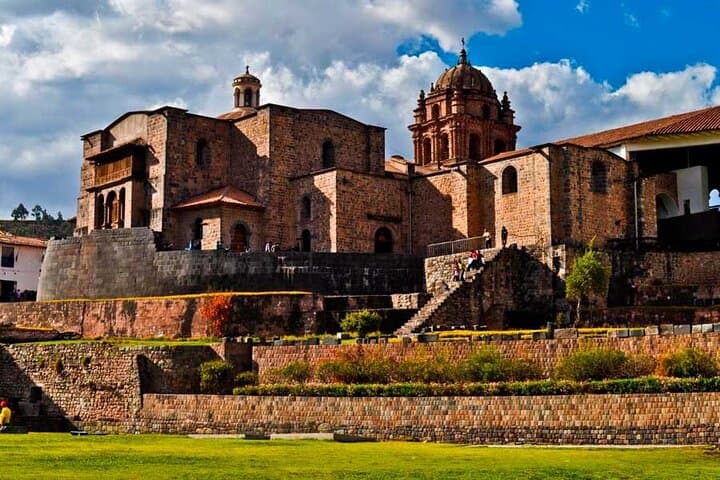
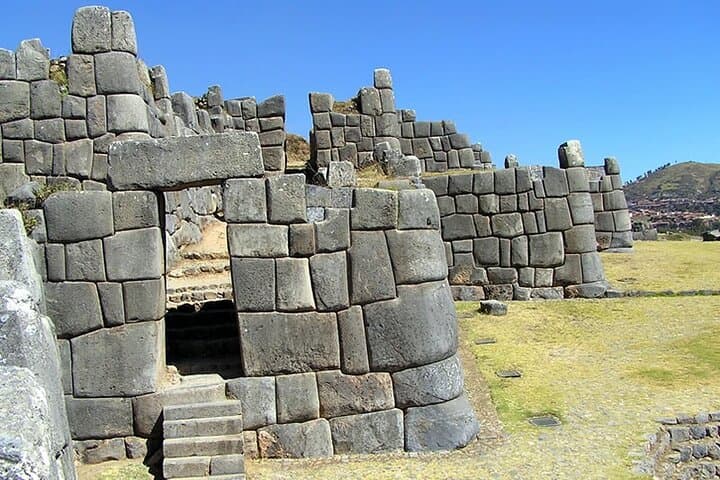
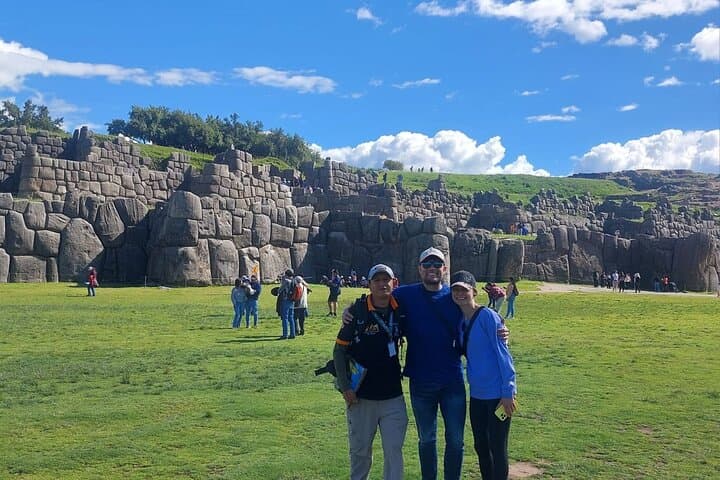
This five-day itinerary threads together Cusco’s colonial plazas and Inca-era sites across the Sacred Valley. Sacsayhuamán’s monumental masonry and Q’enqo’s rock-carved ritual spaces speak to Inca engineering and ceremonial life. In the higher valley, Moray’s concentric agricultural depressions and the salt pans of Maras show practical experiments in soil and microclimate that supported Andean agriculture for centuries.
Geologically, you’re in a young, uplifted Andean landscape: steep granite ridgelines cut by the Urubamba gorge, which gave the Incas defensible ridges and fertile valley floors. Culturally, Quechua language and Pachamama (earth mother) traditions remain visible in markets, terraces and local storytelling.
Practical notes: Cusco sits near 3,400 m—plan 24–48 hours to acclimatize. Machu Picchu itself is ~2,430 m and requires a steep bus climb or a train-plus-hike approach; expect 2–3 hours of on-site walking over uneven stone steps and switchbacks. Tickets are controlled by Peru’s Ministry of Culture and often sell out; keep passport details handy for entry. Pack layers, a rain shell for afternoon storms (Nov–Mar), good trekking shoes, sunscreen and cash for markets. With moderate fitness and sensible pacing, this combination of archeology, mountain vistas and living Andean culture is accessible and deeply rewarding.
moderate.
5 days.
Moderate: regular walkers or hikers who can handle several hours of walking at altitude and uneven terrain.
Tickets are purchased subject to availability through Peru’s Ministry of Culture and are included when available; if no tickets can be secured you should receive a full refund for that portion of the package.
Yes—Cusco is high (≈3,400 m). Hydrate, rest the first day, avoid heavy exertion, and consider acetazolamide or coca tea if you have a history of altitude issues after consulting a doctor.
This itinerary includes train segments between Ollantaytambo and Aguas Calientes and private transfers as listed, plus local buses to Machu Picchu where applicable—confirm exact departures and luggage limits at booking.
Huayna Picchu and alternate circuits require separate tickets with limited availability and often an extra fee; these can be booked in advance subject to Ministry of Culture slots.
Machu Picchu was built in the 15th century as an elite Inca estate and ritual center; nearby Sacred Valley sites illustrate Inca agricultural innovation and regional administration.
Visitor numbers and timed entries are managed to reduce erosion and preserve archaeological fabric; follow marked paths, avoid feeding wildlife and carry out waste to protect fragile mountain ecosystems.
Amaru Explorer Peru operates guided outdoor trips and adventures with an emphasis on safety, stewardship, and memorable experiences.
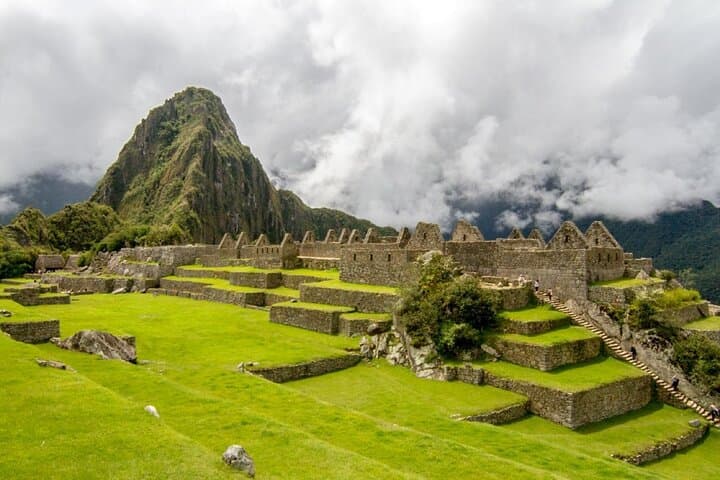
The day begins before sunrise when the bus winds out of Aguas Calientes and the clouds part to reveal Machu Picchu’s stone terraces stacked against a knife-edge ridge. You move through the citadel with a guide, the first light catching carved stairways and long, steep terraces that drop toward the Urubamba River far below.
The day begins before sunrise when the bus winds out of Aguas Calientes and the clouds part to reveal Machu Picchu’s stone terraces stacked against a knife-edge ridge. You move through the citadel with a guide, the first light catching carved stairways and long, steep terraces that drop toward the Urubamba River far below.
This five-day itinerary threads together Cusco’s colonial plazas and Inca-era sites across the Sacred Valley. Sacsayhuamán’s monumental masonry and Q’enqo’s rock-carved ritual spaces speak to Inca engineering and ceremonial life. In the higher valley, Moray’s concentric agricultural depressions and the salt pans of Maras show practical experiments in soil and microclimate that supported Andean agriculture for centuries.
Geologically, you’re in a young, uplifted Andean landscape: steep granite ridgelines cut by the Urubamba gorge, which gave the Incas defensible ridges and fertile valley floors. Culturally, Quechua language and Pachamama (earth mother) traditions remain visible in markets, terraces and local storytelling.
Practical notes: Cusco sits near 3,400 m—plan 24–48 hours to acclimatize. Machu Picchu itself is ~2,430 m and requires a steep bus climb or a train-plus-hike approach; expect 2–3 hours of on-site walking over uneven stone steps and switchbacks. Tickets are controlled by Peru’s Ministry of Culture and often sell out; keep passport details handy for entry. Pack layers, a rain shell for afternoon storms (Nov–Mar), good trekking shoes, sunscreen and cash for markets. With moderate fitness and sensible pacing, this combination of archeology, mountain vistas and living Andean culture is accessible and deeply rewarding.