THE ADVENTURE COLLECTIVE® · Independent discovery and booking for outdoor travel

A compact, guided five-day circuit that ties Cusco’s colonial streets to the Sacred Valley, Machu Picchu, Moray terraces and Maras salt pans. Expect early starts, high-altitude walking on uneven stone, and tight ticket windows for Machu Picchu.
A compact, guided five-day circuit that ties Cusco’s colonial streets to the Sacred Valley, Machu Picchu, Moray terraces and Maras salt pans. Expect early starts, high-altitude walking on uneven stone, and tight ticket windows for Machu Picchu.
You step out of the airport into Cusco’s thin highland air; stone streets hum with market vendors and the Andes press in like a living wall. The tour threads you through the Sacred Valley’s terraces, follows the Urubamba River as it carves a path down the mountain, and drops you into Aguas Calientes for an early climb to Machu Picchu.
Verified experiences and guided adventures in the surrounding area.
Operated by Chullos Travel Peru · Cusco, Cusco Region
You step out of the airport into Cusco’s thin highland air; stone streets hum with market vendors and the Andes press in like a living wall. The tour threads you through the Sacred Valley’s terraces, follows the Urubamba River as it carves a path down the mountain, and drops you into Aguas Calientes for an early climb to Machu Picchu.
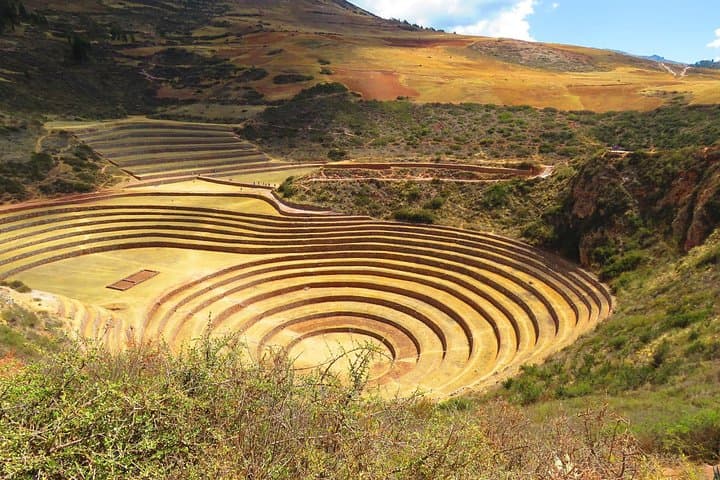
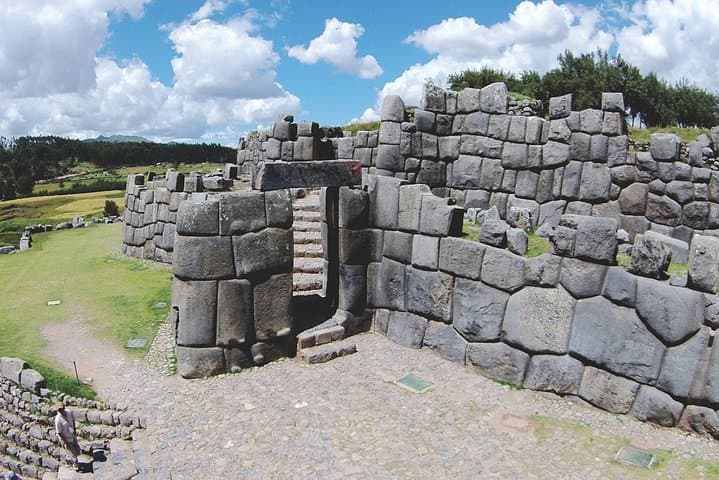
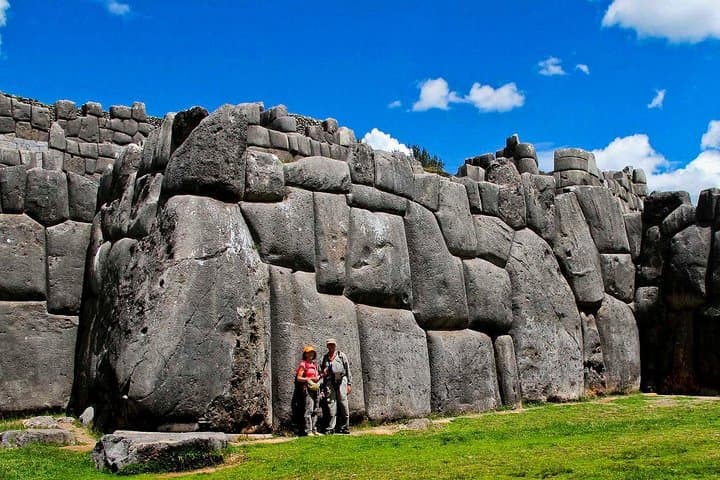
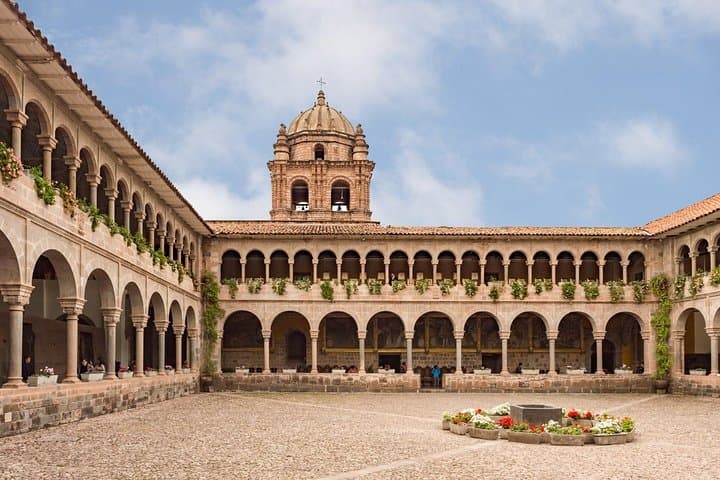
The itinerary moves fast but purposeful: Koricancha and Sacsayhuamán introduce Inca masonry and ritual; Pisac and Ollantaytambo show agricultural terraces and living towns; Moray’s concentric labs reveal pre-Columbian experimentation; Maras’ salt pans sparkle like a man-made constellation. Geologically, you’ll notice folded volcanic layers and river-carved gorges—landforms the Incas shaped with roads and terraces to tame microclimates. Quechua culture is present in textiles, market stalls, and local guides who translate stories into place.
Practically: acclimatize 24–48 hours in Cusco before heavy walking; Machu Picchu tickets are controlled by Peru’s Ministry of Culture and circuits are subject to availability, so expect early confirmation or refunds if sold out. Trains connect Ollantaytambo and Aguas Calientes; buses run to the Machu Picchu entrance and often require early queues. Trails are uneven stone and steep steps—sturdy footwear and layered clothing are essential. Hydrate and protect from strong UV at altitude; mornings are cool and afternoons can turn to rain in wet season.
This five-day loop is best for travelers who want a dense, guided introduction to Inca engineering, highland landscapes, and accessible hiking—packed with history, views, and the practical rhythms of travel in the Andes.
moderate.
5 days.
Moderate fitness: able to walk several hours with elevation changes and handle stairs and uneven stone at altitude.
The tour includes Machu Picchu tickets subject to availability; tickets are issued by Peru’s Ministry of Culture and may be circuit-limited—if unavailable you will receive a full refund for that portion.
Expect a guided 2.5-hour visit with additional free time; pathways include steep stone steps and uneven surfaces but no technical climbing unless you add optional hikes.
Cusco sits above 3,300 m (10,800 ft); many guests experience mild altitude effects—rest on arrival, hydrate, and avoid alcohol for the first 24 hours.
Trains have luggage limits and limited storage—travel light or leave larger bags at your Cusco hotel; bring a daypack for essentials.
The Inca shaped microclimates with terraces and irrigation; Moray likely served as an agricultural research site to test crops at different elevations.
Machu Picchu access is regulated to protect fragile stonework and vegetation—stick to marked paths, avoid single-use plastics, and respect local communities and cultural sites.
Chullos Travel Peru operates guided outdoor trips and adventures with an emphasis on safety, stewardship, and memorable experiences.
You step out of the airport into Cusco’s thin highland air; stone streets hum with market vendors and the Andes press in like a living wall. The tour threads you through the Sacred Valley’s terraces, follows the Urubamba River as it carves a path down the mountain, and drops you into Aguas Calientes for an early climb to Machu Picchu.
You step out of the airport into Cusco’s thin highland air; stone streets hum with market vendors and the Andes press in like a living wall. The tour threads you through the Sacred Valley’s terraces, follows the Urubamba River as it carves a path down the mountain, and drops you into Aguas Calientes for an early climb to Machu Picchu.
The itinerary moves fast but purposeful: Koricancha and Sacsayhuamán introduce Inca masonry and ritual; Pisac and Ollantaytambo show agricultural terraces and living towns; Moray’s concentric labs reveal pre-Columbian experimentation; Maras’ salt pans sparkle like a man-made constellation. Geologically, you’ll notice folded volcanic layers and river-carved gorges—landforms the Incas shaped with roads and terraces to tame microclimates. Quechua culture is present in textiles, market stalls, and local guides who translate stories into place.
Practically: acclimatize 24–48 hours in Cusco before heavy walking; Machu Picchu tickets are controlled by Peru’s Ministry of Culture and circuits are subject to availability, so expect early confirmation or refunds if sold out. Trains connect Ollantaytambo and Aguas Calientes; buses run to the Machu Picchu entrance and often require early queues. Trails are uneven stone and steep steps—sturdy footwear and layered clothing are essential. Hydrate and protect from strong UV at altitude; mornings are cool and afternoons can turn to rain in wet season.
This five-day loop is best for travelers who want a dense, guided introduction to Inca engineering, highland landscapes, and accessible hiking—packed with history, views, and the practical rhythms of travel in the Andes.