THE ADVENTURE COLLECTIVE® · Independent discovery and booking for outdoor travel

A compact five-day loop from Cusco to Machu Picchu, the Sacred Valley and Vinicunca that combines Inca archaeology, high‑altitude hiking and local culture. Expect trains, dawn bus rides and rapid elevation changes—plan to acclimatize and book permits ahead.
A compact five-day loop from Cusco to Machu Picchu, the Sacred Valley and Vinicunca that combines Inca archaeology, high‑altitude hiking and local culture. Expect trains, dawn bus rides and rapid elevation changes—plan to acclimatize and book permits ahead.
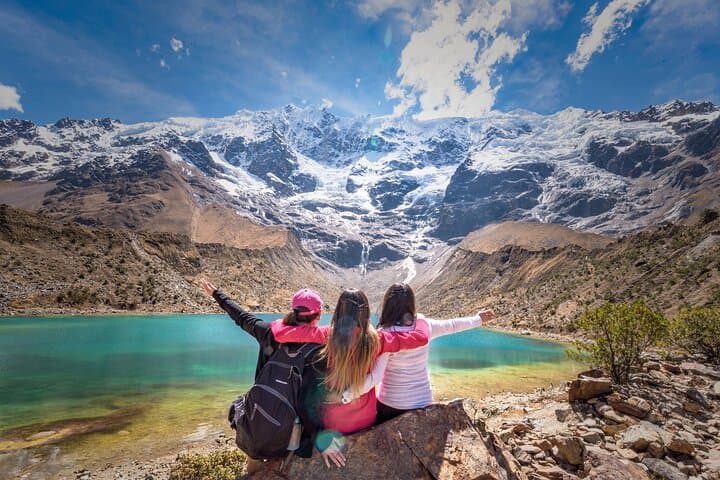
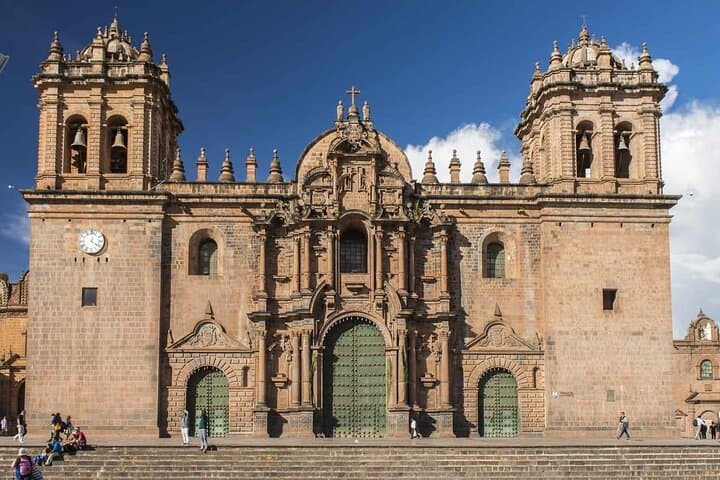
Dawn in Cusco starts thin and bright; the city exhales into cobblestone streets while the Andes hold a cold, patient silence. On this five-day loop you move from colonial plazas and Inca stonework to high puna grassland and the steaming terraces above Aguas Calientes, each landscape nudging you to wake a different sense.
Verified experiences and guided adventures in the surrounding area.
Operated by Andean Inca Trail · Cusco, Cusco
Dawn in Cusco starts thin and bright; the city exhales into cobblestone streets while the Andes hold a cold, patient silence. On this five-day loop you move from colonial plazas and Inca stonework to high puna grassland and the steaming terraces above Aguas Calientes, each landscape nudging you to wake a different sense.
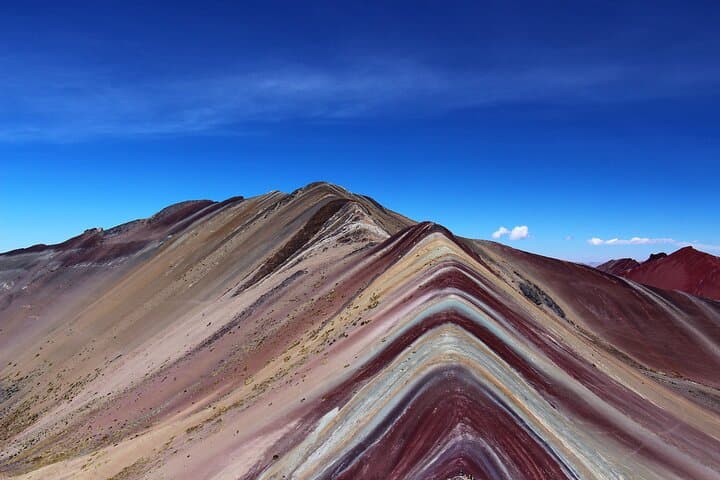
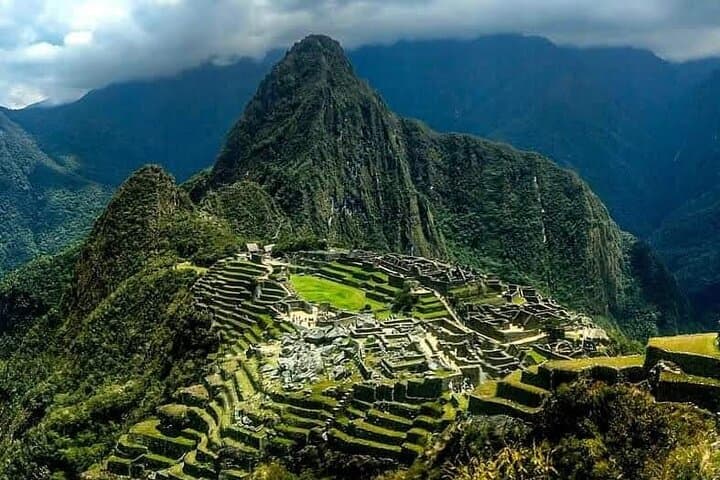
The itinerary threads through Cusco’s important Inca and colonial sites — Koricancha and Sacsayhuamán — then down the Sacred Valley to salt pans at Maras and the agricultural circles of Moray. A full day takes you by train and bus to Machu Picchu, where the citadel’s finely cut stone sits on a ridge carved by tectonics and river erosion. The following morning you climb toward Vinicunca (Rainbow Mountain), a wind‑scoured ridge at roughly 5,020 m where iron and mineral layers stripe the slope.
Cusco’s heritage blends Quechua traditions with Spanish-era architecture; local markets still trade alpaca and natural dyes. Geologically, you’re moving across folded sedimentary layers uplifted by the Andes. Culturally, respect for pachamama and community-run sites shapes visitor interactions.
Practically: allow 48 hours in Cusco to acclimatize, carry high‑SPF sun protection and a water system, and book Machu Picchu tickets and trains in advance. Expect variable weather—cold mornings, strong sun, and afternoon showers in the wet season. Wear broken‑in hiking boots for rocky terraces and bring layers for rapid temperature swings. Plan early starts for Vinicunca to avoid crowds and altitude fatigue.
This tour balances guided history with active hiking and long travel segments; it’s ideal for travelers comfortable with moderate exertion and high elevations who want a concentrated sample of southern Peru’s highlights.
moderate.
5 days.
Moderate fitness required: comfortable walking 2–4 hours at altitude with some uphill sections
Yes. Entry slots are limited and often sell out weeks to months ahead; purchase tickets and train reservations well before your trip.
Rest on arrival in Cusco, avoid heavy exertion for 24–48 hours, stay hydrated, and consider acetazolamide if you have a history of altitude issues—consult your doctor.
This package includes round‑trip train between Ollantaytambo and Aguas Calientes, bus transfers to Machu Picchu, entrance fees and a professional guide in your preferred language.
The walk to the viewpoint is short (about 2 km one way) but strenuous due to altitude and a roughly 500–700 m elevation gain from the checkpoint; go slowly and use trekking poles if needed.
Cusco was the capital of the Inca Empire—stonework at sites like Sacsayhuamán reflects advanced masonry and imperial organization, later overlaid by Spanish colonial urban planning.
Machu Picchu and surrounding areas limit daily visitors to reduce erosion and protect archaeological fabric; follow designated paths, avoid single‑use plastics and respect community rules.
Andean Inca Trail operates guided outdoor trips and adventures with an emphasis on safety, stewardship, and memorable experiences.
Dawn in Cusco starts thin and bright; the city exhales into cobblestone streets while the Andes hold a cold, patient silence. On this five-day loop you move from colonial plazas and Inca stonework to high puna grassland and the steaming terraces above Aguas Calientes, each landscape nudging you to wake a different sense.
Dawn in Cusco starts thin and bright; the city exhales into cobblestone streets while the Andes hold a cold, patient silence. On this five-day loop you move from colonial plazas and Inca stonework to high puna grassland and the steaming terraces above Aguas Calientes, each landscape nudging you to wake a different sense.
The itinerary threads through Cusco’s important Inca and colonial sites — Koricancha and Sacsayhuamán — then down the Sacred Valley to salt pans at Maras and the agricultural circles of Moray. A full day takes you by train and bus to Machu Picchu, where the citadel’s finely cut stone sits on a ridge carved by tectonics and river erosion. The following morning you climb toward Vinicunca (Rainbow Mountain), a wind‑scoured ridge at roughly 5,020 m where iron and mineral layers stripe the slope.
Cusco’s heritage blends Quechua traditions with Spanish-era architecture; local markets still trade alpaca and natural dyes. Geologically, you’re moving across folded sedimentary layers uplifted by the Andes. Culturally, respect for pachamama and community-run sites shapes visitor interactions.
Practically: allow 48 hours in Cusco to acclimatize, carry high‑SPF sun protection and a water system, and book Machu Picchu tickets and trains in advance. Expect variable weather—cold mornings, strong sun, and afternoon showers in the wet season. Wear broken‑in hiking boots for rocky terraces and bring layers for rapid temperature swings. Plan early starts for Vinicunca to avoid crowds and altitude fatigue.
This tour balances guided history with active hiking and long travel segments; it’s ideal for travelers comfortable with moderate exertion and high elevations who want a concentrated sample of southern Peru’s highlights.