THE ADVENTURE COLLECTIVE® · Independent discovery and booking for outdoor travel

A compact five-day circuit from Athens to Meteora that pairs Greece’s iconic archaeological sites with dramatic geology and small-town culture. Expect museum visits, cliff-top monasteries and several moderate walks between transport segments.
A compact five-day circuit from Athens to Meteora that pairs Greece’s iconic archaeological sites with dramatic geology and small-town culture. Expect museum visits, cliff-top monasteries and several moderate walks between transport segments.
You arrive in Athens with the salt-warmed wind off the Saronic Gulf and the city’s layered skyline — modern hotels at the foot of the Acropolis — as your first frame. Over five days this circuit moves from coastal capes to upland sanctuaries: Cape Sounio’s white pillars, the limestone sweep of the Corinth Canal, the stone bowl of Epidaurus, the cyclopean ruins of Mycenae, the stadium at Olympia and the mountain-clinging monasteries of Meteora.
Verified experiences and guided adventures in the surrounding area.
Operated by REMAZ TOURS GmbH · Athens, Attica
You arrive in Athens with the salt-warmed wind off the Saronic Gulf and the city’s layered skyline — modern hotels at the foot of the Acropolis — as your first frame. Over five days this circuit moves from coastal capes to upland sanctuaries: Cape Sounio’s white pillars, the limestone sweep of the Corinth Canal, the stone bowl of Epidaurus, the cyclopean ruins of Mycenae, the stadium at Olympia and the mountain-clinging monasteries of Meteora.
The route threads classical history and rugged geology. Delphi sits at the foot of Mount Parnassos where marble fragments and carved friezes mark a site long read as the religious and intellectual fulcrum of ancient Greece. The Peloponnese roadways cross broad agricultural plains and through gorges cut by rivers that once powered olive presses and mills. Meteora’s sandstone towers are wind-sculpted columns where Byzantine monks built cliff-top monasteries over centuries.
Culturally the tour mixes live archaeology with living towns: Nafplion’s Venetian façades, Olympia’s dusty stadium where the Olympic flame’s provenance is still told, and Kalambaka’s small-town hospitality. Expect several hours of driving between stops and multiple short hikes or stair climbs at sites — Epidaurus’ theater and Meteora’s monastic steps involve steep gradients and uneven stone.
Practical guidance: travel light for transfers, wear sturdy walking shoes with good grip, and carry a refillable water bottle and sun protection. Mornings are best for photography and cooler walks; afternoons suit museum visits. Verify entrance times for monasteries (modest dress required) and allow buffer time for traffic on coastal roads. The itinerary makes a concentrated sweep of Greece’s classical highlights with straightforward logistics, ideal for travelers who want history, dramatic geology and manageable daily rhythms.
easy.
5 days.
Suitable for most fitness levels; you should be comfortable walking on uneven ground and climbing stone steps.
The tour description lists tickets and some admissions; check your booking for specific inclusions—many major sites may require separate entrance fees.
The itinerary is rated easy overall but includes uneven paths and stairs at several sites; travelers with mobility limitations should discuss specifics before booking.
Yes; evenings in cities like Athens, Nafplion and Kalambaka are typically free for independent exploration and dining.
The return schedule may require late flights; if your flight departs the following day, plan an extra night in Athens as suggested by the operator.
The route links centers of ancient political, athletic and religious life — Olympia’s stadium for the original Games, Delphi’s oracle and Mycenae’s Bronze Age citadels shaped classical civilization.
Many sites are protected monuments; stick to marked paths, avoid touching fragile stonework and respect monastery rules to minimize impact.
REMAZ TOURS GmbH operates guided outdoor trips and adventures with an emphasis on safety, stewardship, and memorable experiences.
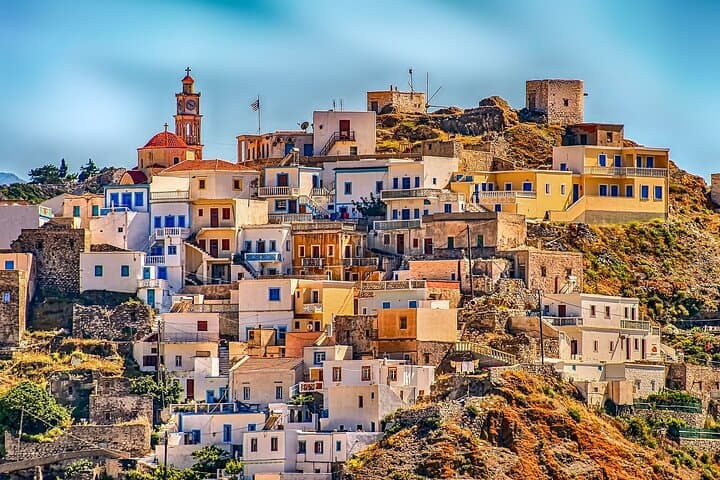
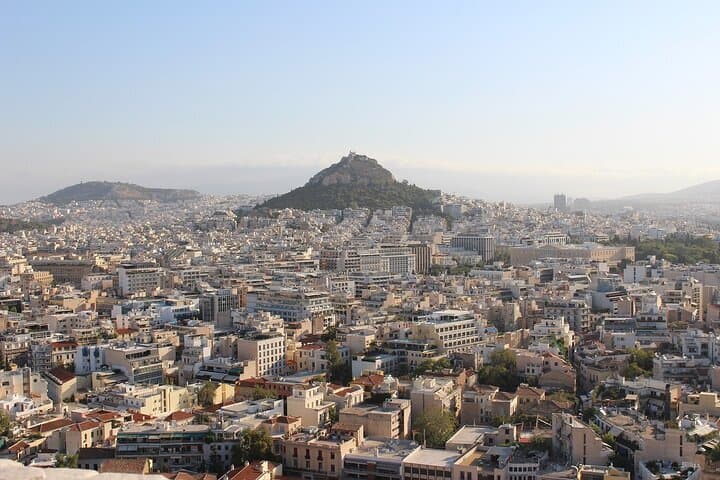
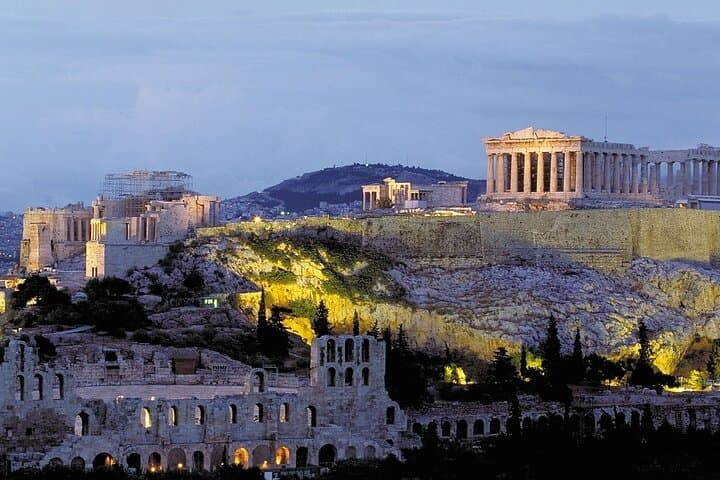
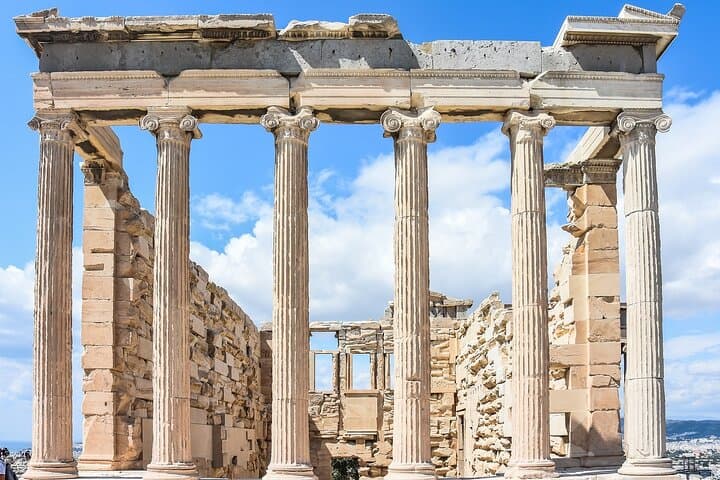
You arrive in Athens with the salt-warmed wind off the Saronic Gulf and the city’s layered skyline — modern hotels at the foot of the Acropolis — as your first frame. Over five days this circuit moves from coastal capes to upland sanctuaries: Cape Sounio’s white pillars, the limestone sweep of the Corinth Canal, the stone bowl of Epidaurus, the cyclopean ruins of Mycenae, the stadium at Olympia and the mountain-clinging monasteries of Meteora.
You arrive in Athens with the salt-warmed wind off the Saronic Gulf and the city’s layered skyline — modern hotels at the foot of the Acropolis — as your first frame. Over five days this circuit moves from coastal capes to upland sanctuaries: Cape Sounio’s white pillars, the limestone sweep of the Corinth Canal, the stone bowl of Epidaurus, the cyclopean ruins of Mycenae, the stadium at Olympia and the mountain-clinging monasteries of Meteora.
The route threads classical history and rugged geology. Delphi sits at the foot of Mount Parnassos where marble fragments and carved friezes mark a site long read as the religious and intellectual fulcrum of ancient Greece. The Peloponnese roadways cross broad agricultural plains and through gorges cut by rivers that once powered olive presses and mills. Meteora’s sandstone towers are wind-sculpted columns where Byzantine monks built cliff-top monasteries over centuries.
Culturally the tour mixes live archaeology with living towns: Nafplion’s Venetian façades, Olympia’s dusty stadium where the Olympic flame’s provenance is still told, and Kalambaka’s small-town hospitality. Expect several hours of driving between stops and multiple short hikes or stair climbs at sites — Epidaurus’ theater and Meteora’s monastic steps involve steep gradients and uneven stone.
Practical guidance: travel light for transfers, wear sturdy walking shoes with good grip, and carry a refillable water bottle and sun protection. Mornings are best for photography and cooler walks; afternoons suit museum visits. Verify entrance times for monasteries (modest dress required) and allow buffer time for traffic on coastal roads. The itinerary makes a concentrated sweep of Greece’s classical highlights with straightforward logistics, ideal for travelers who want history, dramatic geology and manageable daily rhythms.