THE ADVENTURE COLLECTIVE® · Independent discovery and booking for outdoor travel

Follow the classic Marangu (Coca-Cola) route on this 5-day Kilimanjaro climb—hut-to-hut trekking that moves from rainforest to alpine desert and finishes with a midnight summit push to Uhuru Peak. Practical, guided, and ideal for trekkers who want comfort without sacrificing altitude challenge.
Follow the classic Marangu (Coca-Cola) route on this 5-day Kilimanjaro climb—hut-to-hut trekking that moves from rainforest to alpine desert and finishes with a midnight summit push to Uhuru Peak. Practical, guided, and ideal for trekkers who want comfort without sacrificing altitude challenge.
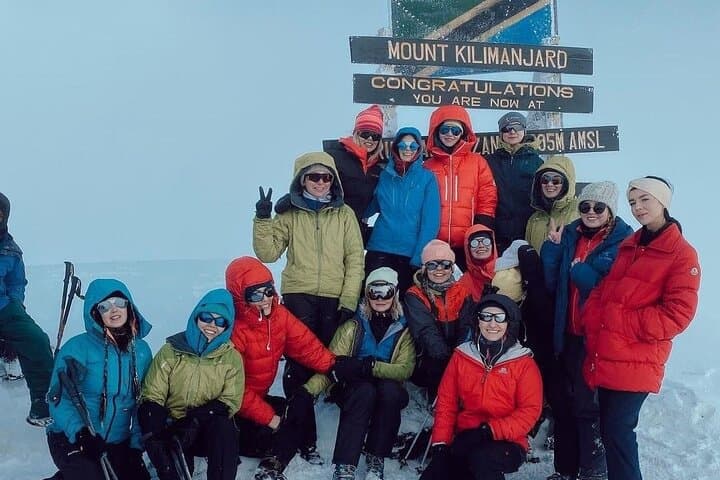
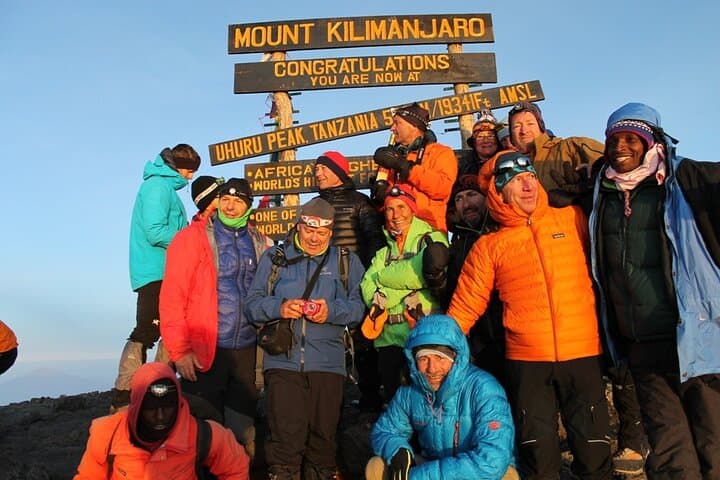
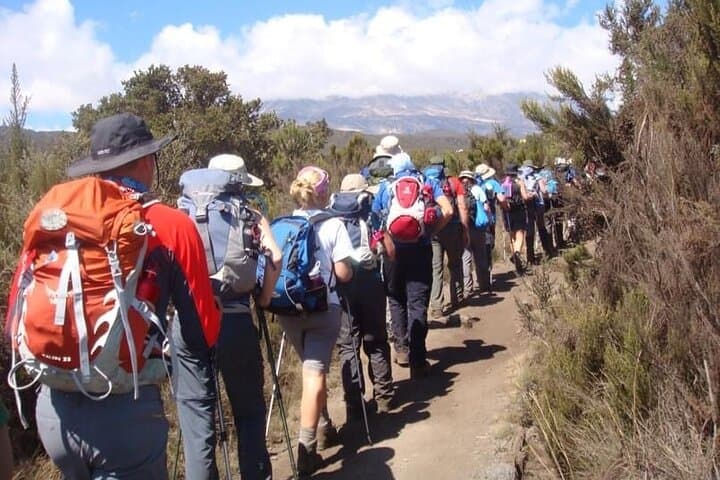
A cool, highland dawn breaks over the rain forest as a line of headlamps threads the Marangu trail. At first the path is green and humid, ferns brushing your calves and colobus monkeys calling from the canopy. By the second day the trees thin; the moorland opens, heather and giant lobelia bending under a colder light. On summit morning the mountain feels like an engine—wind and stone pushing climbers upward toward a sun that slowly claims the crater rim.
Verified experiences and guided adventures in the surrounding area.
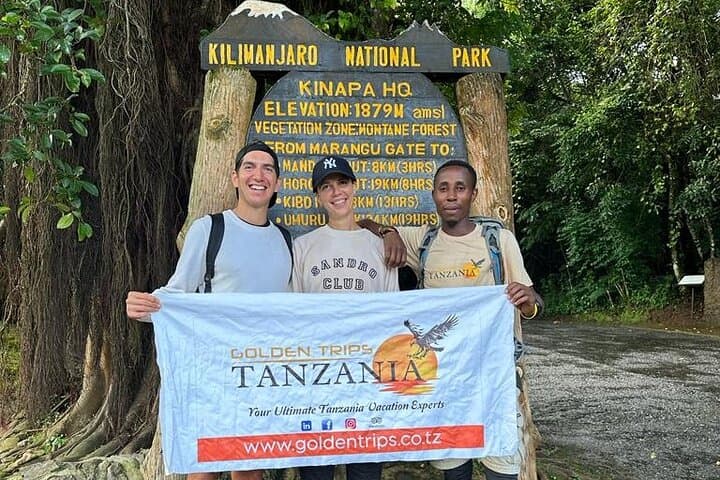
Operated by Golden Trips Tanzania · Marangu, Kilimanjaro Region
A cool, highland dawn breaks over the rain forest as a line of headlamps threads the Marangu trail. At first the path is green and humid, ferns brushing your calves and colobus monkeys calling from the canopy. By the second day the trees thin; the moorland opens, heather and giant lobelia bending under a colder light. On summit morning the mountain feels like an engine—wind and stone pushing climbers upward toward a sun that slowly claims the crater rim.
Marangu is Kilimanjaro’s oldest commercial path, favored for hut accommodation and a relatively direct ascent. Geologically, the massif is a dormant stratovolcano with three volcanic cones—Mawenzi, Kibo and Shira—whose collapsed calderas and glacial scars tell a Pleistocene story of changing climate. The route threads cultural edges too: villages of the Chagga people on the southern slopes and Masai plains stretching westward.
Practically, this 5-day itinerary balances acclimatization with forward progress: rainforest to heath and moor, then the stark saddle to Kibo and the midnight push to Uhuru Peak (5,895 m). Expect well-maintained footpaths, communal huts with beds, and porters carrying gear; the summit day is long (12–16 hrs round trip) and cold. Hydrate consistently, layer for wind and sub-zero temps, and budget time for photos at Mawenzi and Maundi Crater.
Guides handle permits, meals and logistics, but personal fitness and respect for altitude are decisive. Leave no trace: pack out plastics and follow crew instructions. The climb is as much about patient pacing as it is about the final, thin-air step onto Africa’s roof.
challenging.
5 days (summit day 12–16 hours).
Good cardiovascular fitness and previous multi-day hiking experience recommended; ability to hike 4–8 hours daily at altitude.
The summit day is the longest and most demanding—expect 12–16 hours total with steep, slow ascent from Kibo Hut, cold temperatures, and thin air; pacing and pre-summit rest are critical.
On the Marangu route, hut accommodation is communal with mattresses provided; bring a warm sleeping bag and expect basic facilities.
Yes—climbing Kilimanjaro requires registered guides and permits; guides and porters are included in this package to manage logistics and safety.
Altitude sickness is a real risk above 3,000 m; symptoms range from headache and nausea to severe illness—follow guide instructions, hydrate, and report symptoms early.
The Marangu path has been used by local Chagga communities for generations and became the main tourist route in the early 20th century; hut infrastructure reflects that commercial history.
Kilimanjaro National Park manages visitor numbers and waste—stick to marked trails, carry out rubbish, and use crew-run waste disposal to limit impact.
Golden Trips Tanzania operates guided outdoor trips and adventures with an emphasis on safety, stewardship, and memorable experiences.
A cool, highland dawn breaks over the rain forest as a line of headlamps threads the Marangu trail. At first the path is green and humid, ferns brushing your calves and colobus monkeys calling from the canopy. By the second day the trees thin; the moorland opens, heather and giant lobelia bending under a colder light. On summit morning the mountain feels like an engine—wind and stone pushing climbers upward toward a sun that slowly claims the crater rim.
A cool, highland dawn breaks over the rain forest as a line of headlamps threads the Marangu trail. At first the path is green and humid, ferns brushing your calves and colobus monkeys calling from the canopy. By the second day the trees thin; the moorland opens, heather and giant lobelia bending under a colder light. On summit morning the mountain feels like an engine—wind and stone pushing climbers upward toward a sun that slowly claims the crater rim.
Marangu is Kilimanjaro’s oldest commercial path, favored for hut accommodation and a relatively direct ascent. Geologically, the massif is a dormant stratovolcano with three volcanic cones—Mawenzi, Kibo and Shira—whose collapsed calderas and glacial scars tell a Pleistocene story of changing climate. The route threads cultural edges too: villages of the Chagga people on the southern slopes and Masai plains stretching westward.
Practically, this 5-day itinerary balances acclimatization with forward progress: rainforest to heath and moor, then the stark saddle to Kibo and the midnight push to Uhuru Peak (5,895 m). Expect well-maintained footpaths, communal huts with beds, and porters carrying gear; the summit day is long (12–16 hrs round trip) and cold. Hydrate consistently, layer for wind and sub-zero temps, and budget time for photos at Mawenzi and Maundi Crater.
Guides handle permits, meals and logistics, but personal fitness and respect for altitude are decisive. Leave no trace: pack out plastics and follow crew instructions. The climb is as much about patient pacing as it is about the final, thin-air step onto Africa’s roof.