THE ADVENTURE COLLECTIVE® · Independent discovery and booking for outdoor travel

Trace the highland routes of the Chachapoyas in five days: cable car to Kuelap, cliff-top sarcophagi at Karajía, painted Revash mausoleums and the Leymebamba mummy collection. This trip blends manageable hikes, horseback approaches and cultural discovery across cloud-forested ridges.
Trace the highland routes of the Chachapoyas in five days: cable car to Kuelap, cliff-top sarcophagi at Karajía, painted Revash mausoleums and the Leymebamba mummy collection. This trip blends manageable hikes, horseback approaches and cultural discovery across cloud-forested ridges.
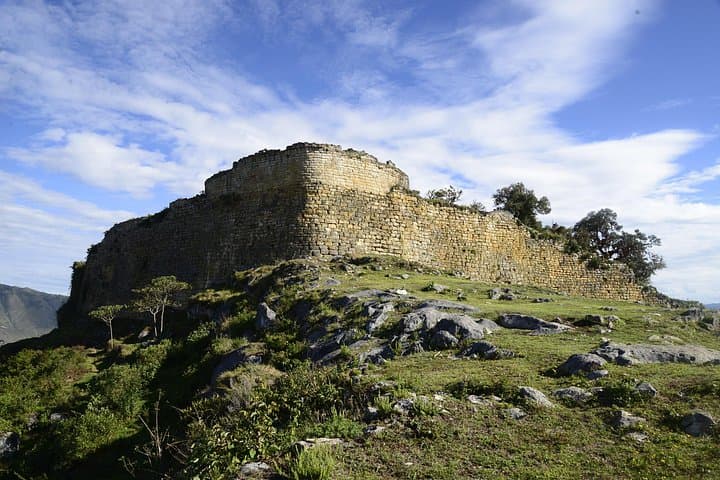
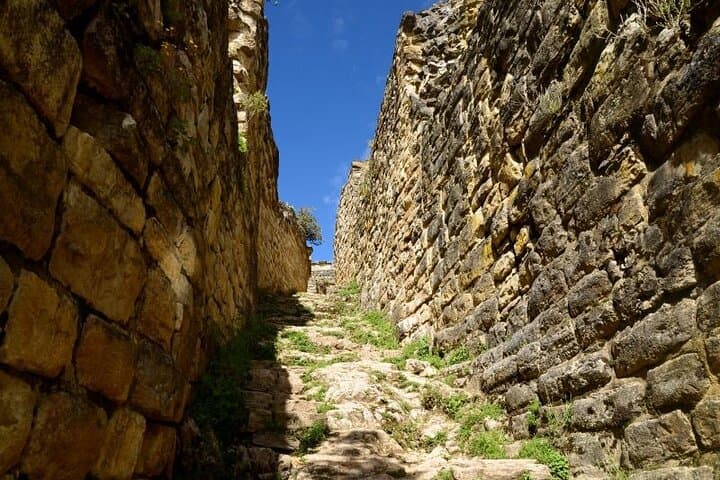
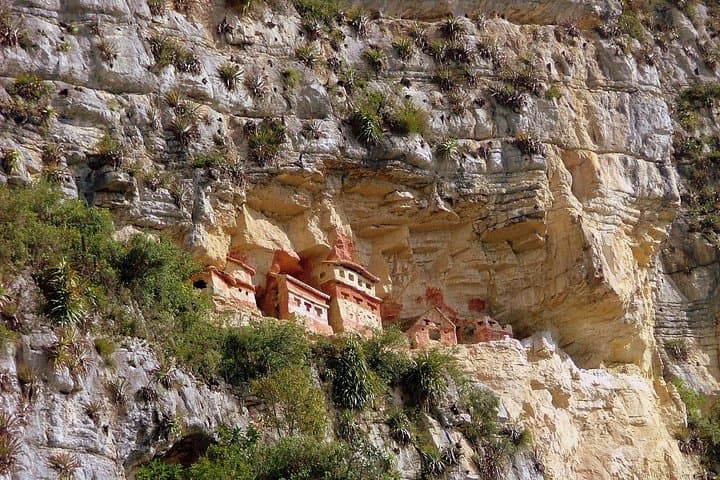
Morning mist lifts from the Andean ridgelines as a modern cable car ferries you toward Kuelap — stone walls rise like a deliberate challenge against the sky at about 3,000 m.a.s.l. Over five days this circuit moves between cliff-side sarcophagi, painted mausoleums, caverns and a museum that holds the region's recovered mummies. The landscapes shift quickly: cloud forest slopes giving way to rocky terraces and the deep Utcubamba valley below.
Verified experiences and guided adventures in the surrounding area.
Operated by VIPAC Travel · Chachapoyas, Amazonas
Morning mist lifts from the Andean ridgelines as a modern cable car ferries you toward Kuelap — stone walls rise like a deliberate challenge against the sky at about 3,000 m.a.s.l. Over five days this circuit moves between cliff-side sarcophagi, painted mausoleums, caverns and a museum that holds the region's recovered mummies. The landscapes shift quickly: cloud forest slopes giving way to rocky terraces and the deep Utcubamba valley below.
This is Chachapoyas country — the so-called "Great Kingdom" of pre-Inca builders whose circular homes, massive fortifications and anthropomorphic sarcophagi (Karajía) reflect advanced engineering and ritual life. Geologically the region is carved from folded Andean strata; caverns like Quiocta form in soluble rock and shelter dripping stalactites, while Kuelap stands on a defensible ridge above fertile river basins. Leymebamba’s Museo Centro Mallqui preserves 240 mummies recovered from Laguna de los Condores and interprets local funerary practice.
Expect a mix of short hikes, horseback approaches and cultural interpretation. Trails are often uneven stone and dirt, with some steep ascents and high-elevation exposure — bring sturdy boots, sun protection and layers for cold mornings. Cable car access shortens the toughest climb to Kuelap, but optional horse rides are available for rough paths. Pace your days for mid-morning visits to avoid afternoon showers, carry water, and allow time in Chachapoyas to acclimate before the highest sites. The trip balances history, natural spectacle and manageable adventure for travelers with moderate fitness and a curiosity for Andean archaeology.
moderate.
5 days (2–8 hours activity per day).
Moderate cardiovascular fitness, comfortable with repeated ascents and uneven terrain at altitude.
Kuelap sits around 3,000 m.a.s.l.; many visitors manage fine with proper hydration, rest, and a gradual pace, but allow a day to acclimate in Chachapoyas if possible.
Approaches include short steep sections; Karajía can be reached by a 30-minute walk or horseback, while Revash typically requires a horseback approach and short viewpoints—both are moderate rather than technical.
Cable car service at Nuevo Tingo generally runs year-round but may close for maintenance or weather—confirm schedules ahead of travel.
Yes, the itinerary includes the Leymebamba Museum (Centro Mallqui) where a large collection of mummies and artifacts from Laguna de los Condores is displayed.
The Chachapoyas culture built complex circular architecture and cliff sarcophagi; Spanish colonial records later noted their distinct regional organization and funerary practices.
Cloud-forest habitats are vulnerable to deforestation and agriculture; visitors should stick to trails, avoid single-use plastics, and support local conservation-minded operators.
VIPAC Travel operates guided outdoor trips and adventures with an emphasis on safety, stewardship, and memorable experiences.

Morning mist lifts from the Andean ridgelines as a modern cable car ferries you toward Kuelap — stone walls rise like a deliberate challenge against the sky at about 3,000 m.a.s.l. Over five days this circuit moves between cliff-side sarcophagi, painted mausoleums, caverns and a museum that holds the region's recovered mummies. The landscapes shift quickly: cloud forest slopes giving way to rocky terraces and the deep Utcubamba valley below.
Morning mist lifts from the Andean ridgelines as a modern cable car ferries you toward Kuelap — stone walls rise like a deliberate challenge against the sky at about 3,000 m.a.s.l. Over five days this circuit moves between cliff-side sarcophagi, painted mausoleums, caverns and a museum that holds the region's recovered mummies. The landscapes shift quickly: cloud forest slopes giving way to rocky terraces and the deep Utcubamba valley below.
This is Chachapoyas country — the so-called "Great Kingdom" of pre-Inca builders whose circular homes, massive fortifications and anthropomorphic sarcophagi (Karajía) reflect advanced engineering and ritual life. Geologically the region is carved from folded Andean strata; caverns like Quiocta form in soluble rock and shelter dripping stalactites, while Kuelap stands on a defensible ridge above fertile river basins. Leymebamba’s Museo Centro Mallqui preserves 240 mummies recovered from Laguna de los Condores and interprets local funerary practice.
Expect a mix of short hikes, horseback approaches and cultural interpretation. Trails are often uneven stone and dirt, with some steep ascents and high-elevation exposure — bring sturdy boots, sun protection and layers for cold mornings. Cable car access shortens the toughest climb to Kuelap, but optional horse rides are available for rough paths. Pace your days for mid-morning visits to avoid afternoon showers, carry water, and allow time in Chachapoyas to acclimate before the highest sites. The trip balances history, natural spectacle and manageable adventure for travelers with moderate fitness and a curiosity for Andean archaeology.