THE ADVENTURE COLLECTIVE® · Independent discovery and booking for outdoor travel

A five-day, high-country backpacking circuit through Cathedral Lakes, Sunrise Lakes and the John Muir Trail that culminates with summits of Clouds Rest and Half Dome. Expect long days, alpine terrain, mandatory permits and unforgettable valley panoramas.
A five-day, high-country backpacking circuit through Cathedral Lakes, Sunrise Lakes and the John Muir Trail that culminates with summits of Clouds Rest and Half Dome. Expect long days, alpine terrain, mandatory permits and unforgettable valley panoramas.
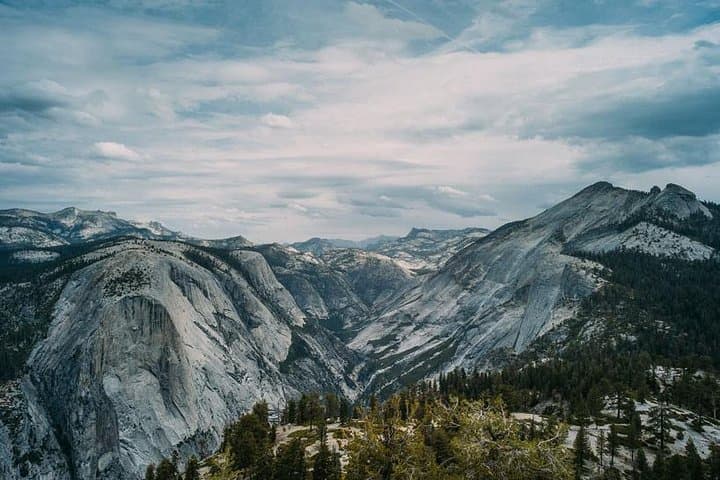
The group gathers where buses sputter to a stop at Curry Village, packs settling into shoulders with a nervous rustle. A last look down the valley—Granite crags carving the sky, Half Dome’s profile cutting a jagged silhouette—and you’ll understand why this route reads like a Yosemite primer: cathedral alpine lakes, high ridgelines, and two of the park’s most exacting summits.
Verified experiences and guided adventures in the surrounding area.
Operated by Lasting Adventures · Yosemite Valley, California
The group gathers where buses sputter to a stop at Curry Village, packs settling into shoulders with a nervous rustle. A last look down the valley—Granite crags carving the sky, Half Dome’s profile cutting a jagged silhouette—and you’ll understand why this route reads like a Yosemite primer: cathedral alpine lakes, high ridgelines, and two of the park’s most exacting summits.
By late afternoon you’re in the Yosemite Valley Backpackers Camp, tasting the hush of the high country. Day two climbs 3.2 miles to Lower Cathedral Lake (9,288 ft), a short but steady gain that rewards with cold, mirror-smooth water and an alpine bowl ringed by granite teeth. The itinerary pushes you along the John Muir Trail over Cathedral Pass (9,700 ft), skirting Matthes Crest and Echo Peaks, then down into the Sunrise Lakes basin. Expect long days on rocky JMT tread—typical mileage runs 6–7.3 miles per day with cumulative gains topping 2,500–3,000 feet on summit days.
Geology here is blunt and honest: exposed granitic domes sculpted by ice, polished slabs that force you to climb with hands as often as feet. Culturally the valley is layered too—trailways first walked by the Ahwahnechee and later mapped and popularized by naturalists like John Muir. Modern stewardship balances heavy visitation and fragile alpine ecosystems; backcountry use is regulated to protect water sources and wildlife.
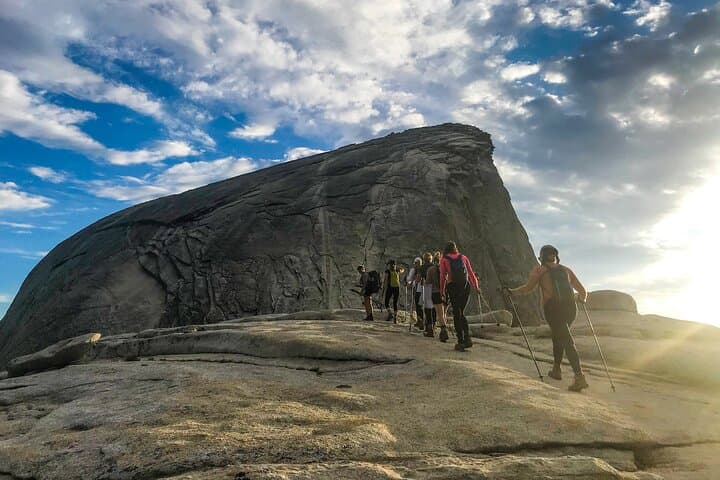
The trip’s crescendo arrives on day four with Clouds Rest (9,926 ft)—the panorama gives you Yosemite Valley from above, a long photographic sweep of El Capitan, Half Dome and the Merced River threading the floor below. On day five you hit Half Dome early, hauling up the cables with a lightweight daypack before descending the Mist Trail past Vernal and Nevada Falls on the way back to the valley.
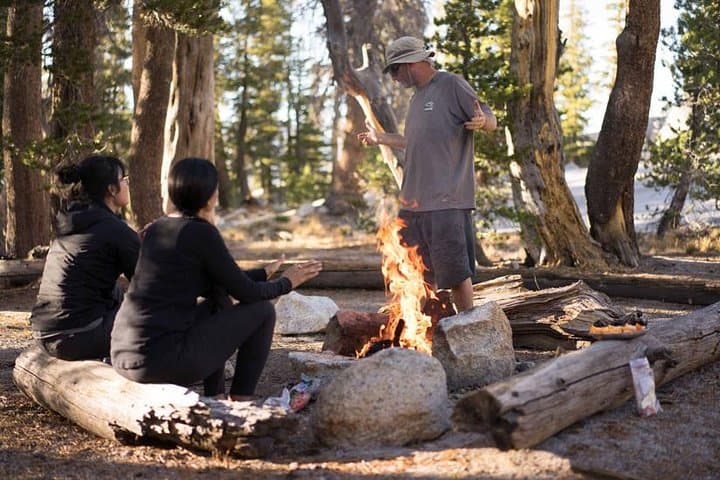
Practical essentials: this is a difficult, multi-day backpacking route requiring a high level of fitness, prior overnight-camping experience, and comfort with scrambling. Wilderness permits and Half Dome cable permits are mandatory during the permit season—confirm dates and book far in advance. Expect variable weather at elevation; freeze-thaw cycles can make slabs slick. Group logistics include guided meals—several breakfasts, lunches and dinners are provided—while you sleep in designated backcountry sites.
Pack for self-reliance: a properly fitted backpack, 4-season sleeping system, reliable footwear, and a bear-resistant food storage plan. Hydration is non-negotiable; treat or carry adequate water above treeline. Time your summit pushes for early morning to avoid afternoon winds and lightning. For travelers after an authentic Yosemite high-country immersion, this five-day loop delivers raw granite, starlit camps, and two summits that make the effort unmistakably worth it.
difficult.
5 days.
You should have high cardiovascular fitness, experience with multi-day backpacking, and be comfortable carrying a loaded pack at altitude.
Yes—this guided trip handles permits, but Half Dome cable permits and wilderness permits are required during permit season; verify dates with the operator before booking.
The cable ascent is exposed and strenuous; it requires upper-body engagement and a head for heights—practice with scrambling and wear gloves for the cables.
This trip includes guided backcountry camping at designated sites, plus several provided meals (multiple breakfasts, lunches and dinners) as listed by the operator.
Summer (late June–September) offers the most stable weather and open cables; early and late season conditions can bring snow and require additional gear and experience.
Yes—food storage and bear-aware practices are mandatory; guided groups use approved food storage systems and follow park regulations.
This is a strenuous trip; if you lack multi-day backpacking experience or cardiovascular fitness, consider training hikes with a loaded pack or choosing a less demanding trip.
This route travels sections of the John Muir Trail and across landscapes long used by the Ahwahnechee people; modern routes were popularized by early conservationists like John Muir.
Yosemite enforces backcountry quotas and food-storage rules to protect wildlife and fragile alpine vegetation—pack out all waste and use approved storage.
Lasting Adventures operates guided outdoor trips and adventures with an emphasis on safety, stewardship, and memorable experiences.
The group gathers where buses sputter to a stop at Curry Village, packs settling into shoulders with a nervous rustle. A last look down the valley—Granite crags carving the sky, Half Dome’s profile cutting a jagged silhouette—and you’ll understand why this route reads like a Yosemite primer: cathedral alpine lakes, high ridgelines, and two of the park’s most exacting summits.
The group gathers where buses sputter to a stop at Curry Village, packs settling into shoulders with a nervous rustle. A last look down the valley—Granite crags carving the sky, Half Dome’s profile cutting a jagged silhouette—and you’ll understand why this route reads like a Yosemite primer: cathedral alpine lakes, high ridgelines, and two of the park’s most exacting summits.
By late afternoon you’re in the Yosemite Valley Backpackers Camp, tasting the hush of the high country. Day two climbs 3.2 miles to Lower Cathedral Lake (9,288 ft), a short but steady gain that rewards with cold, mirror-smooth water and an alpine bowl ringed by granite teeth. The itinerary pushes you along the John Muir Trail over Cathedral Pass (9,700 ft), skirting Matthes Crest and Echo Peaks, then down into the Sunrise Lakes basin. Expect long days on rocky JMT tread—typical mileage runs 6–7.3 miles per day with cumulative gains topping 2,500–3,000 feet on summit days.
Geology here is blunt and honest: exposed granitic domes sculpted by ice, polished slabs that force you to climb with hands as often as feet. Culturally the valley is layered too—trailways first walked by the Ahwahnechee and later mapped and popularized by naturalists like John Muir. Modern stewardship balances heavy visitation and fragile alpine ecosystems; backcountry use is regulated to protect water sources and wildlife.
The trip’s crescendo arrives on day four with Clouds Rest (9,926 ft)—the panorama gives you Yosemite Valley from above, a long photographic sweep of El Capitan, Half Dome and the Merced River threading the floor below. On day five you hit Half Dome early, hauling up the cables with a lightweight daypack before descending the Mist Trail past Vernal and Nevada Falls on the way back to the valley.
Practical essentials: this is a difficult, multi-day backpacking route requiring a high level of fitness, prior overnight-camping experience, and comfort with scrambling. Wilderness permits and Half Dome cable permits are mandatory during the permit season—confirm dates and book far in advance. Expect variable weather at elevation; freeze-thaw cycles can make slabs slick. Group logistics include guided meals—several breakfasts, lunches and dinners are provided—while you sleep in designated backcountry sites.
Pack for self-reliance: a properly fitted backpack, 4-season sleeping system, reliable footwear, and a bear-resistant food storage plan. Hydration is non-negotiable; treat or carry adequate water above treeline. Time your summit pushes for early morning to avoid afternoon winds and lightning. For travelers after an authentic Yosemite high-country immersion, this five-day loop delivers raw granite, starlit camps, and two summits that make the effort unmistakably worth it.