THE ADVENTURE COLLECTIVE® · Independent discovery and booking for outdoor travel

Trace ancient stone and the course of the Nile on a private five-day circuit through Cairo and Luxor. From the Great Pyramid to the Valley of the Kings, this compact itinerary blends iconic archaeology with practical logistics for first-time travelers.
Trace ancient stone and the course of the Nile on a private five-day circuit through Cairo and Luxor. From the Great Pyramid to the Valley of the Kings, this compact itinerary blends iconic archaeology with practical logistics for first-time travelers.
Morning light slides across the Giza plateau as the group steps from a private A/C vehicle onto warm limestone—an intimate first look at the Great Pyramid and the Sphinx that feels both immediate and ancient. By day two the Nile threads the itinerary: a short domestic flight to Luxor, visits to tombs cut into cliffs, and evenings beneath the lit colonnades of Luxor Temple.
Verified experiences and guided adventures in the surrounding area.
Operated by Egyptian Felucca ride On the Nile · Cairo, Cairo Governorate
Morning light slides across the Giza plateau as the group steps from a private A/C vehicle onto warm limestone—an intimate first look at the Great Pyramid and the Sphinx that feels both immediate and ancient. By day two the Nile threads the itinerary: a short domestic flight to Luxor, visits to tombs cut into cliffs, and evenings beneath the lit colonnades of Luxor Temple.
This five-day package threads two millennia of Egyptian history. Cairo’s Old Kingdom monuments at Giza and Saqqara reveal early stone construction techniques; the New Kingdom grandeur of Luxor and Karnak demonstrates a later era of monumental columns, obelisks and funerary architecture. Cultural notes: the bazaar quarter of Khan el-Khalili reflects centuries of trade, while Coptic Cairo preserves early Christian sites atop a layered urban fabric. Geologically, both Nile valley and desert margins are sedimentary—soft sand and hard limestone—making walking surfaces uneven but low in elevation change.
Practical guidance: expect early starts (domestic flight to Luxor ~1 hour), hotel pickup in the mornings, and multiple short walks at each site—plan on 1–3 km of walking at Giza, ~2 km across the Valley of the Kings and several hundred metres through Karnak’s columned halls. Temperatures can be very hot in summer; dress conservatively, carry hydration and a hat. Passport, comfortable walking shoes, sun protection and a modest tip budget for local guides and porters will make the trip smoother. The tour is private and includes transfers, guides and most admissions—use the included airport assistance and confirm pickup times a day ahead.
This itinerary suits first-time visitors who want a focused cultural circuit without heavy trekking, balancing spectacle with practical logistics.
easy.
5 days.
Light aerobic fitness; able to walk 1–3 miles (1.5–5 km) per day on uneven surfaces.
Yes—this itinerary includes domestic flights where listed; confirm flight times and airport transfer details before travel.
The program is rated easy and generally suitable, but it is not recommended for travelers with serious spine, heart or pregnancy restrictions—check specific health advisories prior to booking.
The tour notes admissions for major sites and some lunches; check the booking confirmation for a full inclusions list and which meals or beverages are excluded.
Expect short but steady walking: roughly 1–3 km at Giza, about 2 km across the Valley of the Kings and variable distances through Karnak’s expansive complex.
Cairo and Luxor represent two complementary phases of Egyptian civilization: Old Kingdom funerary complexes around Giza and the New Kingdom temple and tomb landscape concentrated in Thebes (modern Luxor).
Sites are fragile—avoid touching painted surfaces in tombs and follow local guide instructions; support responsible tourism by using designated walkways and limiting flash photography in sensitive areas.
Egyptian Felucca ride On the Nile operates guided outdoor trips and adventures with an emphasis on safety, stewardship, and memorable experiences.
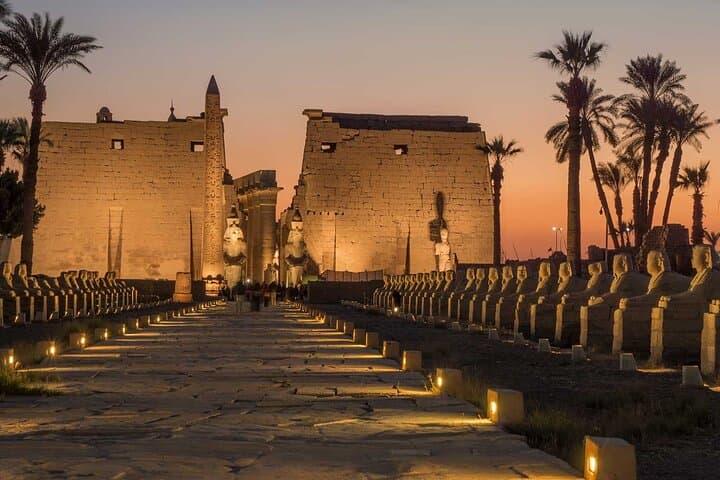
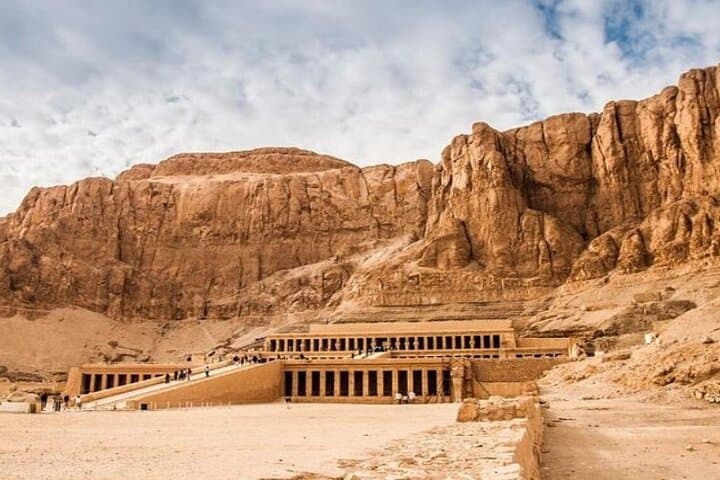
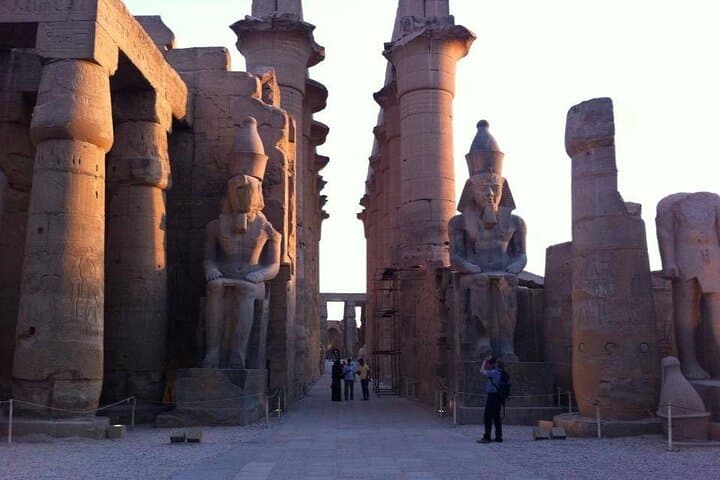
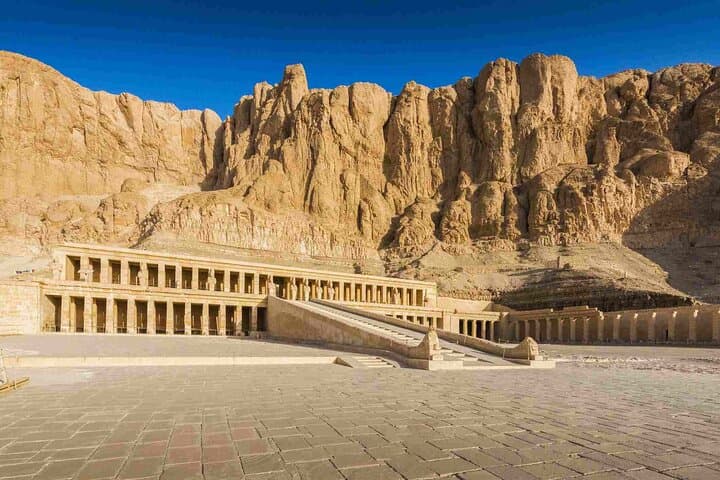
Morning light slides across the Giza plateau as the group steps from a private A/C vehicle onto warm limestone—an intimate first look at the Great Pyramid and the Sphinx that feels both immediate and ancient. By day two the Nile threads the itinerary: a short domestic flight to Luxor, visits to tombs cut into cliffs, and evenings beneath the lit colonnades of Luxor Temple.
Morning light slides across the Giza plateau as the group steps from a private A/C vehicle onto warm limestone—an intimate first look at the Great Pyramid and the Sphinx that feels both immediate and ancient. By day two the Nile threads the itinerary: a short domestic flight to Luxor, visits to tombs cut into cliffs, and evenings beneath the lit colonnades of Luxor Temple.
This five-day package threads two millennia of Egyptian history. Cairo’s Old Kingdom monuments at Giza and Saqqara reveal early stone construction techniques; the New Kingdom grandeur of Luxor and Karnak demonstrates a later era of monumental columns, obelisks and funerary architecture. Cultural notes: the bazaar quarter of Khan el-Khalili reflects centuries of trade, while Coptic Cairo preserves early Christian sites atop a layered urban fabric. Geologically, both Nile valley and desert margins are sedimentary—soft sand and hard limestone—making walking surfaces uneven but low in elevation change.
Practical guidance: expect early starts (domestic flight to Luxor ~1 hour), hotel pickup in the mornings, and multiple short walks at each site—plan on 1–3 km of walking at Giza, ~2 km across the Valley of the Kings and several hundred metres through Karnak’s columned halls. Temperatures can be very hot in summer; dress conservatively, carry hydration and a hat. Passport, comfortable walking shoes, sun protection and a modest tip budget for local guides and porters will make the trip smoother. The tour is private and includes transfers, guides and most admissions—use the included airport assistance and confirm pickup times a day ahead.
This itinerary suits first-time visitors who want a focused cultural circuit without heavy trekking, balancing spectacle with practical logistics.