THE ADVENTURE COLLECTIVE® · Independent discovery and booking for outdoor travel

A compact five-day itinerary linking Cairo’s pyramids and museum with Aswan’s island temples and Abu Simbel. Expect guided sites, a Nile evening cruise, domestic flights, and early starts to beat heat and crowds.
A compact five-day itinerary linking Cairo’s pyramids and museum with Aswan’s island temples and Abu Simbel. Expect guided sites, a Nile evening cruise, domestic flights, and early starts to beat heat and crowds.
The sun leans over the Giza plateau as you step from an air-conditioned car into a wind that carries sand and centuries. The three great pyramids rise like measured promises; the Sphinx watches traffic and pilgrims alike, while the Nile smooths its surface downstream, daring you to follow its ancient route.
Verified experiences and guided adventures in the surrounding area.
Operated by King TUT Tours · Cairo, Cairo Governorate
The sun leans over the Giza plateau as you step from an air-conditioned car into a wind that carries sand and centuries. The three great pyramids rise like measured promises; the Sphinx watches traffic and pilgrims alike, while the Nile smooths its surface downstream, daring you to follow its ancient route.
This five-day route threads modern Cairo with Pharaonic Aswan and the dramatic Abu Simbel temples. Geologically, the limestone and sandstone blocks of the Giza monuments tell of an arid river valley shaped by millennia of Nile floods and human engineering. Politically and culturally, the Aswan High Dam and UNESCO’s relocation projects mark a 20th-century chapter that saved temples from Lake Nasser’s rise but altered the river’s rhythms.
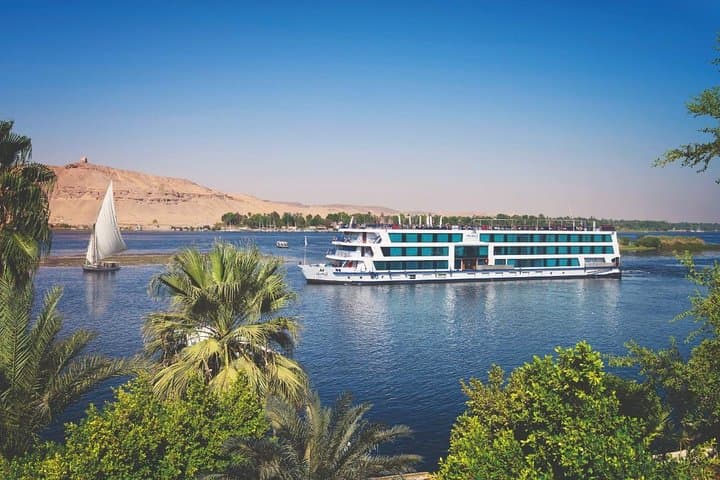
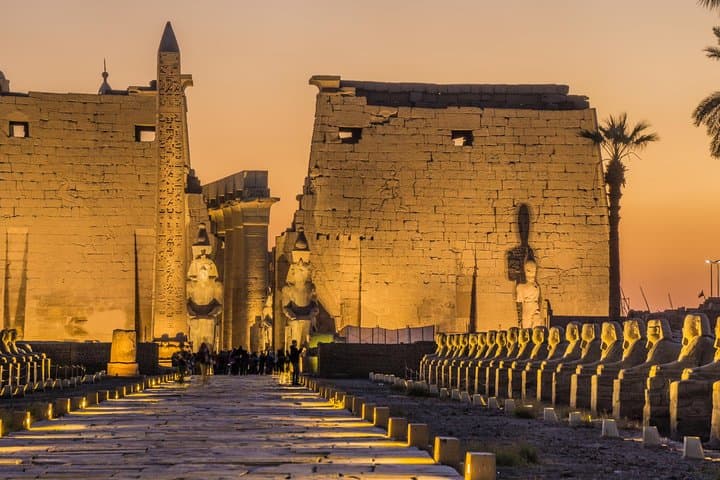
Expect guided entry to the Egyptian Museum’s troves—Tutankhamun’s funerary pieces and Narmer’s palette—and boat time on the Nile with evening folklore and a Tannoura spin. In Aswan, Philae’s island temple and the colossal Abu Simbel complex dramatize New Kingdom power and the precision of the UNESCO rescue.
Practical side: travel moves fast—early starts, domestic flights, and private transfers. Carry a refillable water bottle, sun protection, comfortable closed-toe shoes for uneven temple stones, and copies of your passport. Plan for strong sun in daytime and cooler hotel evenings; some monuments restrict large bags and tripods. Book tickets and domestic flights early, and allow buffer time for Cairo traffic and security checks. With respect for local rules and modest dress at religious sites, the route rewards with direct encounters with Egypt’s layered history and the steady patience of the Nile.
easy.
5 days (approx. 40–48 hours touring).
Suitable for travelers in average fitness — expect walking on uneven stone, stairs in temples, and short transfers between sites.
Yes — the itinerary includes domestic flights; check departure times on your confirmation and allow time for airport transfers.
Visa requirements vary by nationality; many visitors obtain e-visas in advance or visas on arrival—verify current rules well before travel.
Yes — the dinner cruise is family-friendly, though entertainment and late hours may vary; strollers can be accommodated per provider details.
Access to the Great Pyramid interior is subject to site regulations and may require a separate ticket or be temporarily restricted; check with your guide on the day.
The tour spans monuments from Old Kingdom tombs at Giza to New Kingdom imperial temples at Abu Simbel; 20th-century engineering, like the Aswan High Dam, reshaped the Nile and prompted international archaeological rescue efforts.
Conservation here balances tourism with fragile sites—follow marked paths, avoid touching carved reliefs, and use designated facilities to reduce erosion and wear.
King TUT Tours operates guided outdoor trips and adventures with an emphasis on safety, stewardship, and memorable experiences.

The sun leans over the Giza plateau as you step from an air-conditioned car into a wind that carries sand and centuries. The three great pyramids rise like measured promises; the Sphinx watches traffic and pilgrims alike, while the Nile smooths its surface downstream, daring you to follow its ancient route.
The sun leans over the Giza plateau as you step from an air-conditioned car into a wind that carries sand and centuries. The three great pyramids rise like measured promises; the Sphinx watches traffic and pilgrims alike, while the Nile smooths its surface downstream, daring you to follow its ancient route.
This five-day route threads modern Cairo with Pharaonic Aswan and the dramatic Abu Simbel temples. Geologically, the limestone and sandstone blocks of the Giza monuments tell of an arid river valley shaped by millennia of Nile floods and human engineering. Politically and culturally, the Aswan High Dam and UNESCO’s relocation projects mark a 20th-century chapter that saved temples from Lake Nasser’s rise but altered the river’s rhythms.
Expect guided entry to the Egyptian Museum’s troves—Tutankhamun’s funerary pieces and Narmer’s palette—and boat time on the Nile with evening folklore and a Tannoura spin. In Aswan, Philae’s island temple and the colossal Abu Simbel complex dramatize New Kingdom power and the precision of the UNESCO rescue.
Practical side: travel moves fast—early starts, domestic flights, and private transfers. Carry a refillable water bottle, sun protection, comfortable closed-toe shoes for uneven temple stones, and copies of your passport. Plan for strong sun in daytime and cooler hotel evenings; some monuments restrict large bags and tripods. Book tickets and domestic flights early, and allow buffer time for Cairo traffic and security checks. With respect for local rules and modest dress at religious sites, the route rewards with direct encounters with Egypt’s layered history and the steady patience of the Nile.