THE ADVENTURE COLLECTIVE® · Independent discovery and booking for outdoor travel

A five-day budget safari that threads Tarangire, Lake Manyara, Serengeti and Ngorongoro — daily game drives, picnic lunches and nights at campsites deliver close wildlife encounters and the chance to see the Great Migration from May–December.
A five-day budget safari that threads Tarangire, Lake Manyara, Serengeti and Ngorongoro — daily game drives, picnic lunches and nights at campsites deliver close wildlife encounters and the chance to see the Great Migration from May–December.
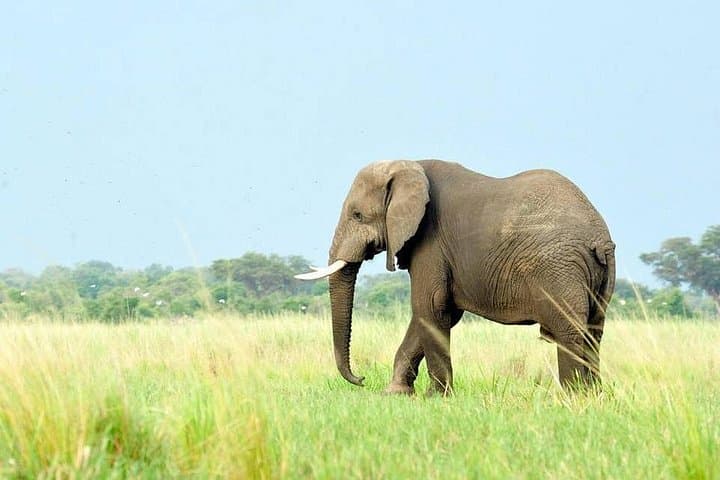
Dawn spills gold across the acacia crowns as your vehicle threads a sandy track — elephants cast long shadows, and a lone lion regards the rising sun with quiet authority. Over five days you move from the baobab-dotted plains of Tarangire to the marsh-fed fringes of Lake Manyara, across the wide-open Seronera grasslands of the Serengeti, and finally down into the bowl of Ngorongoro Crater where the land holds water like a reserve.
Verified experiences and guided adventures in the surrounding area.
Operated by Papio Africa Holidays · Arusha, Arusha Region
Dawn spills gold across the acacia crowns as your vehicle threads a sandy track — elephants cast long shadows, and a lone lion regards the rising sun with quiet authority. Over five days you move from the baobab-dotted plains of Tarangire to the marsh-fed fringes of Lake Manyara, across the wide-open Seronera grasslands of the Serengeti, and finally down into the bowl of Ngorongoro Crater where the land holds water like a reserve.
These places carry deep stories: Tarangire’s river sustains huge seasonal herds, Lake Manyara is famed for tree-climbing lions and flamingo flocks, Serengeti’s geology of rolling metamorphic plains channels the Great Migration, and Ngorongoro is the collapsed caldera of an ancient super-volcano whose rim sits around 2,200 m above sea level.
Local Maasai communities and conservation authorities both shape how safaris run here; small, budget camps coexist with community tourism projects. Expect early wake-ups for the best light and animal activity, long game-drive windows each day, picnic lunches in the bush, and nights at simple campsites or budget lodges.
Practical tips: entrance fees and daily game drives are typically included; bring layered clothing for cool mornings and strong sun by midday, a brimmed hat, binoculars, and reusable water bottle. Vaccinations, malaria precautions, and valid passports are required; travel time between parks can be several hours on gravel roads so plan rest and camera batteries accordingly. Nature is patient here — rivers dare you to follow their routes and herds keep moving — and the payoff is close, intimate wildlife viewing in landscapes shaped by fire, water, and time.
moderate.
5 days.
Suitable for travelers with basic mobility; involves long hours in vehicles and short walks at viewpoints.
This itinerary typically includes park entrance fees and game drives—confirm on booking as some operators may charge additional conservation levies.
Malaria risk exists in these regions; consult a travel clinic for prophylaxis and use insect repellent and treated bed nets where advised.
From May–December the migration moves through western and northern Serengeti; sightings are most likely during those months but herds are present year-round in various sectors.
This is a budget safari with basic campsites and budget lodges—expect simple bedding, shared facilities in some camps, and communal dining.
The Ngorongoro Crater formed from a giant volcanic collapse roughly two to three million years ago; the Serengeti’s open plains are shaped by ancient erosion and river systems.
Stay on designated roads and follow guide instructions—these parks rely on visitor fees and responsible behavior to fund wildlife protection and local community projects.
Papio Africa Holidays operates guided outdoor trips and adventures with an emphasis on safety, stewardship, and memorable experiences.

Dawn spills gold across the acacia crowns as your vehicle threads a sandy track — elephants cast long shadows, and a lone lion regards the rising sun with quiet authority. Over five days you move from the baobab-dotted plains of Tarangire to the marsh-fed fringes of Lake Manyara, across the wide-open Seronera grasslands of the Serengeti, and finally down into the bowl of Ngorongoro Crater where the land holds water like a reserve.
Dawn spills gold across the acacia crowns as your vehicle threads a sandy track — elephants cast long shadows, and a lone lion regards the rising sun with quiet authority. Over five days you move from the baobab-dotted plains of Tarangire to the marsh-fed fringes of Lake Manyara, across the wide-open Seronera grasslands of the Serengeti, and finally down into the bowl of Ngorongoro Crater where the land holds water like a reserve.
These places carry deep stories: Tarangire’s river sustains huge seasonal herds, Lake Manyara is famed for tree-climbing lions and flamingo flocks, Serengeti’s geology of rolling metamorphic plains channels the Great Migration, and Ngorongoro is the collapsed caldera of an ancient super-volcano whose rim sits around 2,200 m above sea level.
Local Maasai communities and conservation authorities both shape how safaris run here; small, budget camps coexist with community tourism projects. Expect early wake-ups for the best light and animal activity, long game-drive windows each day, picnic lunches in the bush, and nights at simple campsites or budget lodges.
Practical tips: entrance fees and daily game drives are typically included; bring layered clothing for cool mornings and strong sun by midday, a brimmed hat, binoculars, and reusable water bottle. Vaccinations, malaria precautions, and valid passports are required; travel time between parks can be several hours on gravel roads so plan rest and camera batteries accordingly. Nature is patient here — rivers dare you to follow their routes and herds keep moving — and the payoff is close, intimate wildlife viewing in landscapes shaped by fire, water, and time.