THE ADVENTURE COLLECTIVE® · Independent discovery and booking for outdoor travel

A concise, five-day loop through western Bhutan that pairs cultural immersion—dzongs, temples and markets—with the iconic hike to Taktsang (Tiger’s Nest). Expect high valleys, steep trail sections, and hands-on local encounters.
A concise, five-day loop through western Bhutan that pairs cultural immersion—dzongs, temples and markets—with the iconic hike to Taktsang (Tiger’s Nest). Expect high valleys, steep trail sections, and hands-on local encounters.
You arrive to thin air and cedar-scented wind, wheels whispering onto Paro’s high runway. The valley opens in terraces and prayer flags; the mountains press close, their ridgelines sharp against a cold blue sky. Over five days the itinerary moves like a measured pilgrimage: market stalls in Thimphu, the Dochula pass’s chiseled Himalayan skyline, the river-split fortress of Punakha, and the vertical ballet of Taktsang—Tiger’s Nest—clinging 900m above the valley.
Verified experiences and guided adventures in the surrounding area.
Operated by Maebar Travel · Paro, Paro District
You arrive to thin air and cedar-scented wind, wheels whispering onto Paro’s high runway. The valley opens in terraces and prayer flags; the mountains press close, their ridgelines sharp against a cold blue sky. Over five days the itinerary moves like a measured pilgrimage: market stalls in Thimphu, the Dochula pass’s chiseled Himalayan skyline, the river-split fortress of Punakha, and the vertical ballet of Taktsang—Tiger’s Nest—clinging 900m above the valley.
Bhutan’s dzongs—fortress-monasteries—are both administrative centers and living temples, built in the 17th century to consolidate power and spiritual life. Geologically the valleys are young and steep, carved by swift rivers that shape rice terraces and suspension bridges. Culturally the country centers Vajrayana Buddhism: you’ll see daily circumambulation, butter lamps, and craftsmen practicing zorig chusum (thirteen traditional arts).
Practical edge: acclimatize the first day—Paro sits about 2,200–2,300m. The Tiger’s Nest hike is the tour’s physical high point: allow 4–5 hours round trip on a steep, rocky forest trail with exposed cliff-side sections. Wear supportive hiking shoes, carry water, and expect cool mornings and sudden weather swings at Dochula (3,150m). Respect dress codes at temples—shoulders and knees covered—and ask before photographing people in ritual.
Logistics: private transport and certified English-speaking guides are standard; hotels are mid-range (3-star minimum). Pack a light daypack, layers, sun protection, and a sense of patience—road travel between valleys is scenic but slow. This tour balances cultural depth with achievable outdoor moments, offering a concentrated view of Bhutan’s landscapes, faith, and living traditions.
moderate.
5 days.
Suitable for travelers of average fitness; be prepared for one 4–5 hour steep hike (Tiger's Nest) and short walks at altitude.
Most visitors require a visa obtained through a Bhutanese licensed tour operator; visas are arranged as part of the tour booking process.
The trail is steep with rocky steps and some exposed viewpoints; it takes about 4–5 hours round trip and is manageable for those with moderate fitness.
Yes—this private tour includes certified English-speaking guides registered with the Tourism Council of Bhutan.
Ponies are sometimes offered for uphill sections but cannot go past certain points near the monastery; availability depends on local regulations and stamina of the animal.
Dzongs built in the 17th century served combined religious, administrative, and defensive roles; many sites visited are key to Bhutan's consolidation of state and faith.
Bhutan practices high-value, low-impact tourism—daily tariffs and certified operators help fund conservation and support local communities; visitors should follow leave-no-trace norms.
Maebar Travel operates guided outdoor trips and adventures with an emphasis on safety, stewardship, and memorable experiences.
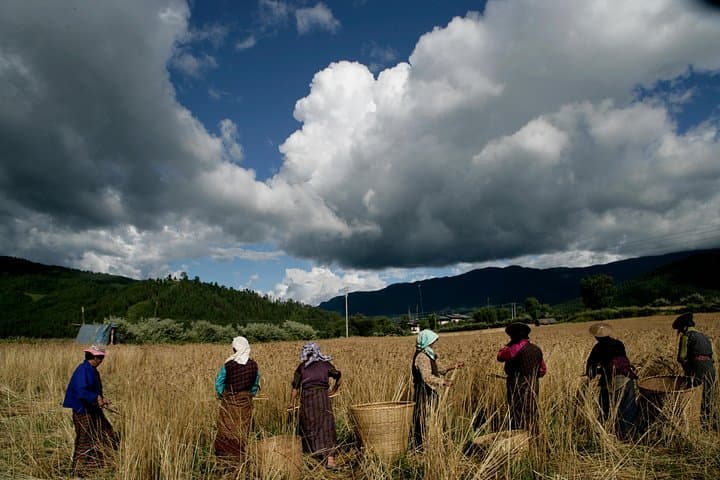
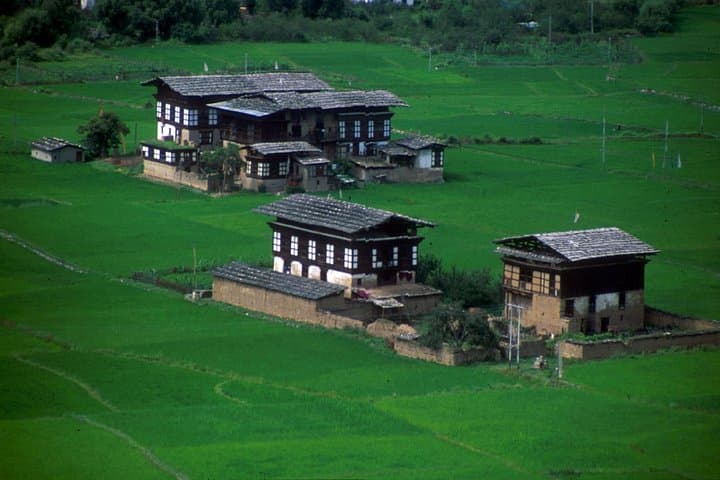
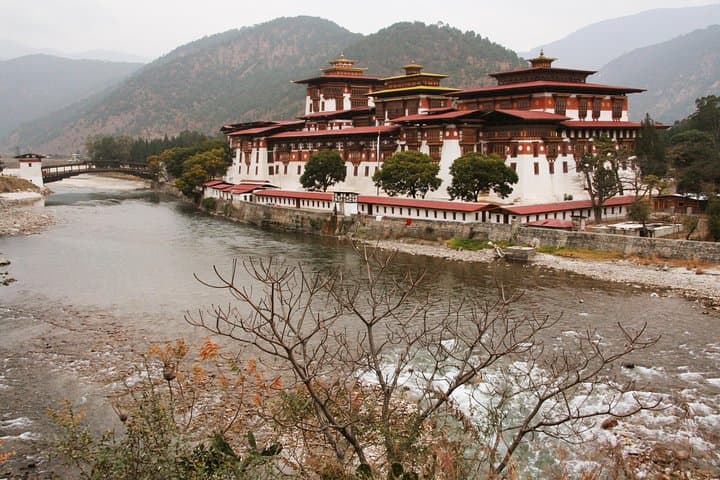
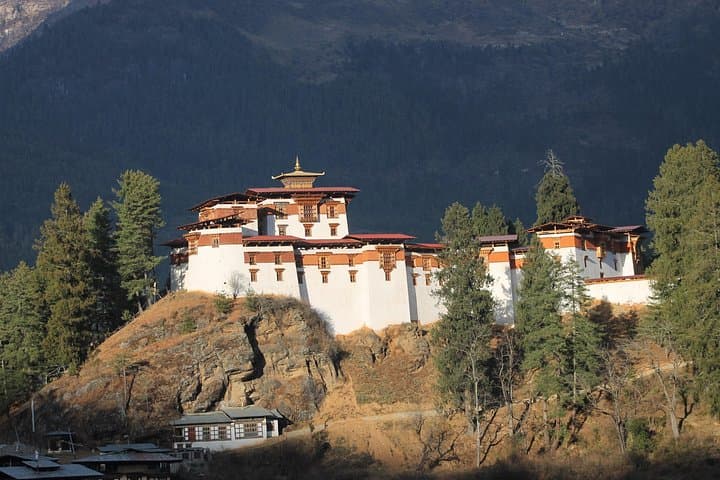
You arrive to thin air and cedar-scented wind, wheels whispering onto Paro’s high runway. The valley opens in terraces and prayer flags; the mountains press close, their ridgelines sharp against a cold blue sky. Over five days the itinerary moves like a measured pilgrimage: market stalls in Thimphu, the Dochula pass’s chiseled Himalayan skyline, the river-split fortress of Punakha, and the vertical ballet of Taktsang—Tiger’s Nest—clinging 900m above the valley.
You arrive to thin air and cedar-scented wind, wheels whispering onto Paro’s high runway. The valley opens in terraces and prayer flags; the mountains press close, their ridgelines sharp against a cold blue sky. Over five days the itinerary moves like a measured pilgrimage: market stalls in Thimphu, the Dochula pass’s chiseled Himalayan skyline, the river-split fortress of Punakha, and the vertical ballet of Taktsang—Tiger’s Nest—clinging 900m above the valley.
Bhutan’s dzongs—fortress-monasteries—are both administrative centers and living temples, built in the 17th century to consolidate power and spiritual life. Geologically the valleys are young and steep, carved by swift rivers that shape rice terraces and suspension bridges. Culturally the country centers Vajrayana Buddhism: you’ll see daily circumambulation, butter lamps, and craftsmen practicing zorig chusum (thirteen traditional arts).
Practical edge: acclimatize the first day—Paro sits about 2,200–2,300m. The Tiger’s Nest hike is the tour’s physical high point: allow 4–5 hours round trip on a steep, rocky forest trail with exposed cliff-side sections. Wear supportive hiking shoes, carry water, and expect cool mornings and sudden weather swings at Dochula (3,150m). Respect dress codes at temples—shoulders and knees covered—and ask before photographing people in ritual.
Logistics: private transport and certified English-speaking guides are standard; hotels are mid-range (3-star minimum). Pack a light daypack, layers, sun protection, and a sense of patience—road travel between valleys is scenic but slow. This tour balances cultural depth with achievable outdoor moments, offering a concentrated view of Bhutan’s landscapes, faith, and living traditions.