THE ADVENTURE COLLECTIVE® · Independent discovery and booking for outdoor travel

A short, gentle multi-day homestay hike to Barpak delivers close-up Himalayan views and a strong cultural ledger: Gurkha history, resilient communities, and accessible trails. Expect slate-roofed villages, a viewpoint climb to Mumche Hill, and nights with local families.
A short, gentle multi-day homestay hike to Barpak delivers close-up Himalayan views and a strong cultural ledger: Gurkha history, resilient communities, and accessible trails. Expect slate-roofed villages, a viewpoint climb to Mumche Hill, and nights with local families.
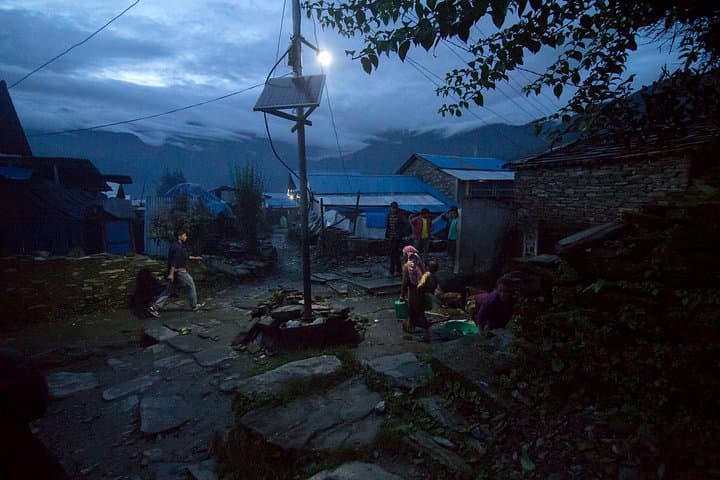
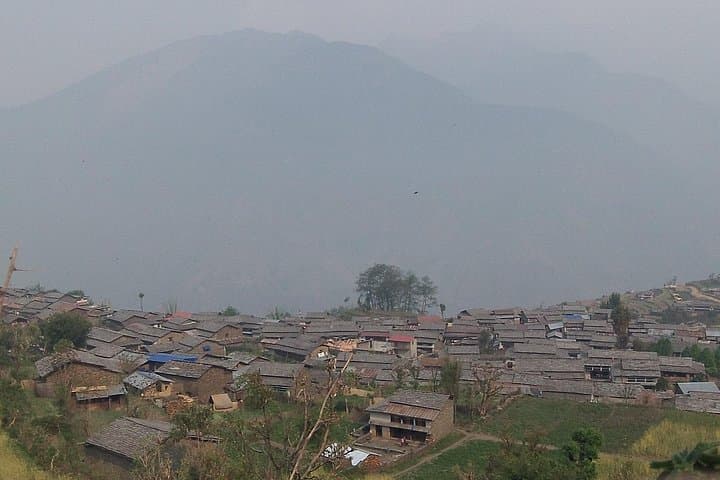
A ribbon of road unwinds from Kathmandu into cedar-scented foothills, then narrows and climbs until Barpak’s slate roofs and stone walls appear like a compact village that refused to flatten. Walkers step out of the vehicle into clean air; the Daraundi River below gurgles and seems to dare you to pause and listen. The hike to Mumche Hill is short but steady, a series of terraces and village tracks that open suddenly onto sweeping views of Ganesh Himal, Manaslu and Himchuli.
Verified experiences and guided adventures in the surrounding area.
Operated by Osho world Adventure · Barpak, Gorkha District
A ribbon of road unwinds from Kathmandu into cedar-scented foothills, then narrows and climbs until Barpak’s slate roofs and stone walls appear like a compact village that refused to flatten. Walkers step out of the vehicle into clean air; the Daraundi River below gurgles and seems to dare you to pause and listen. The hike to Mumche Hill is short but steady, a series of terraces and village tracks that open suddenly onto sweeping views of Ganesh Himal, Manaslu and Himchuli.
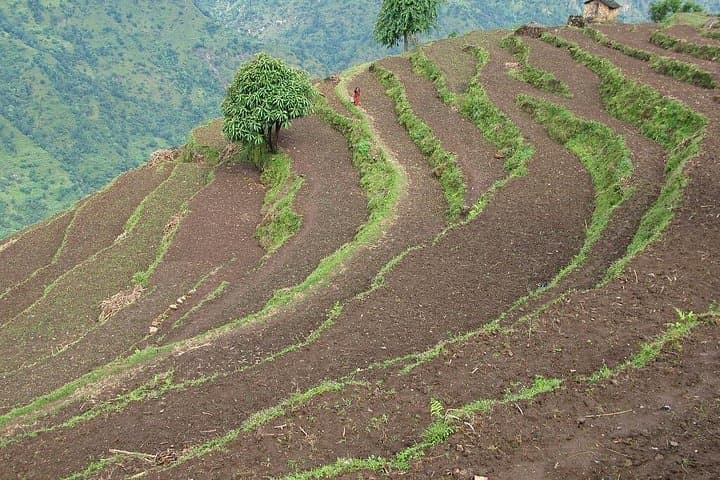
Barpak is small but historically resonant — the homeland of Gurkha hero Gaje Ghale and a community that bore the worst of the 2015 Gorkha earthquake. The geology here is sharply folded Himalayan foothills; terraced agriculture clings to steep slopes, and tropical river gorges give way to temperate scrub as elevation rises. Culture is visible in daily rhythms: prayer flags, stone-stacked mani walls, and homestays run by families who keep traditional cooking and storytelling alive.
Practically, expect paved road access, local homestay lodging, and guided village walks. Trails are uneven with short sections of loose stone; the viewpoint climb takes 1–2 hours round-trip at a gentle pace. Bring layered clothes for cool mornings, cash for small purchases, and basic toilet supplies — homestays can be rustic. Hydration and sun protection matter: the sun at midday is strong, and shaded village paths cool quickly.
This trip balances easy hiking with cultural immersion, best for travelers who want approachable mountain views, nights with a local family, and clear, practical planning rather than technical mountaineering.
moderate.
4–5 days.
Suitable for travelers in light to moderate shape who can walk 2–4 hours on uneven terrain; not technical.
No special trekking permits are required for Barpak village itself; travel documents and ID are sufficient for this homestay tour.
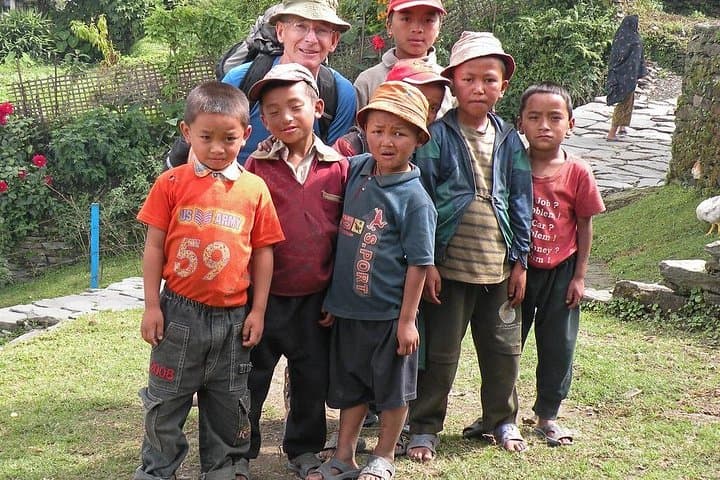
Accommodation is family-run homestays with basic private rooms or shared facilities—meals are home-cooked and communal.
Barpak and Mumche Hill are at modest elevations compared with high Himalayan passes; altitude sickness is unlikely but stay hydrated and move at a comfortable pace.
Guides and hosts can usually accommodate common dietary needs if informed in advance at booking; bring snacks if you have strict requirements.
Barpak is known as the homeland of Victoria Cross recipient Gaje Ghale and was heavily affected by the 2015 Gorkha earthquake; the village has since rebuilt while preserving cultural practices.
Community-based tourism supports local recovery and livelihoods; visitors should minimize waste, avoid single-use plastics, and follow host guidance on water use.
Osho world Adventure operates guided outdoor trips and adventures with an emphasis on safety, stewardship, and memorable experiences.
A ribbon of road unwinds from Kathmandu into cedar-scented foothills, then narrows and climbs until Barpak’s slate roofs and stone walls appear like a compact village that refused to flatten. Walkers step out of the vehicle into clean air; the Daraundi River below gurgles and seems to dare you to pause and listen. The hike to Mumche Hill is short but steady, a series of terraces and village tracks that open suddenly onto sweeping views of Ganesh Himal, Manaslu and Himchuli.
A ribbon of road unwinds from Kathmandu into cedar-scented foothills, then narrows and climbs until Barpak’s slate roofs and stone walls appear like a compact village that refused to flatten. Walkers step out of the vehicle into clean air; the Daraundi River below gurgles and seems to dare you to pause and listen. The hike to Mumche Hill is short but steady, a series of terraces and village tracks that open suddenly onto sweeping views of Ganesh Himal, Manaslu and Himchuli.
Barpak is small but historically resonant — the homeland of Gurkha hero Gaje Ghale and a community that bore the worst of the 2015 Gorkha earthquake. The geology here is sharply folded Himalayan foothills; terraced agriculture clings to steep slopes, and tropical river gorges give way to temperate scrub as elevation rises. Culture is visible in daily rhythms: prayer flags, stone-stacked mani walls, and homestays run by families who keep traditional cooking and storytelling alive.
Practically, expect paved road access, local homestay lodging, and guided village walks. Trails are uneven with short sections of loose stone; the viewpoint climb takes 1–2 hours round-trip at a gentle pace. Bring layered clothes for cool mornings, cash for small purchases, and basic toilet supplies — homestays can be rustic. Hydration and sun protection matter: the sun at midday is strong, and shaded village paths cool quickly.
This trip balances easy hiking with cultural immersion, best for travelers who want approachable mountain views, nights with a local family, and clear, practical planning rather than technical mountaineering.