THE ADVENTURE COLLECTIVE® · Independent discovery and booking for outdoor travel

Five days of lowland jungle, jeep safaris and cultural visits—this tour pairs wildlife patrols in Bardia National Park with an overnight cultural stay in Palpa. Expect early-morning drives, Sal forest walks, and a deep focus on Tharu history and tiger country.
Five days of lowland jungle, jeep safaris and cultural visits—this tour pairs wildlife patrols in Bardia National Park with an overnight cultural stay in Palpa. Expect early-morning drives, Sal forest walks, and a deep focus on Tharu history and tiger country.
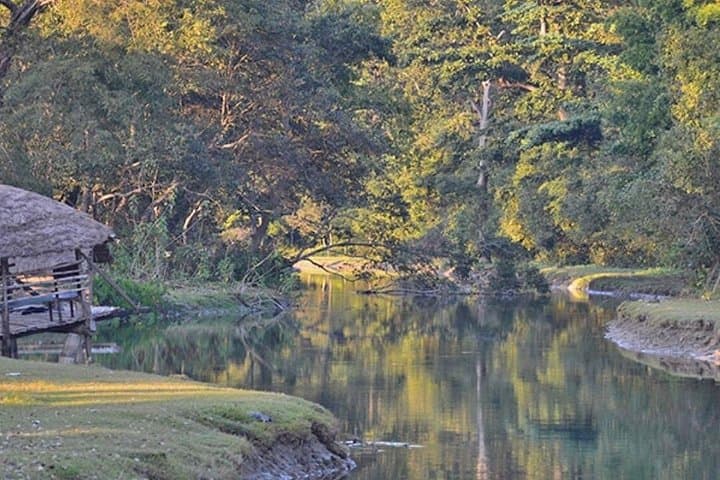
You step from the jeep into a hush of tall grass; the Babai River runs in the distance and the forest breathes cool and green. Morning mist lifts off the Terai plain as guides and trackers scan for movement—the possibility of a Royal Bengal Tiger always at the edge of conversation. Over five days you trade Kathmandu’s high ridge for lowland forest, jeep tracks and village lanes, sunrise views over Dhaulagiri from Palpa, and Tharu homesteads that hold older rhythms.
You step from the jeep into a hush of tall grass; the Babai River runs in the distance and the forest breathes cool and green. Morning mist lifts off the Terai plain as guides and trackers scan for movement—the possibility of a Royal Bengal Tiger always at the edge of conversation. Over five days you trade Kathmandu’s high ridge for lowland forest, jeep tracks and village lanes, sunrise views over Dhaulagiri from Palpa, and Tharu homesteads that hold older rhythms.
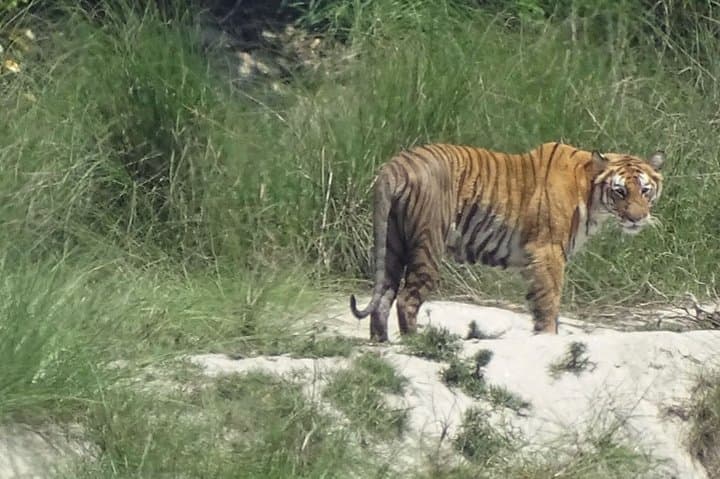
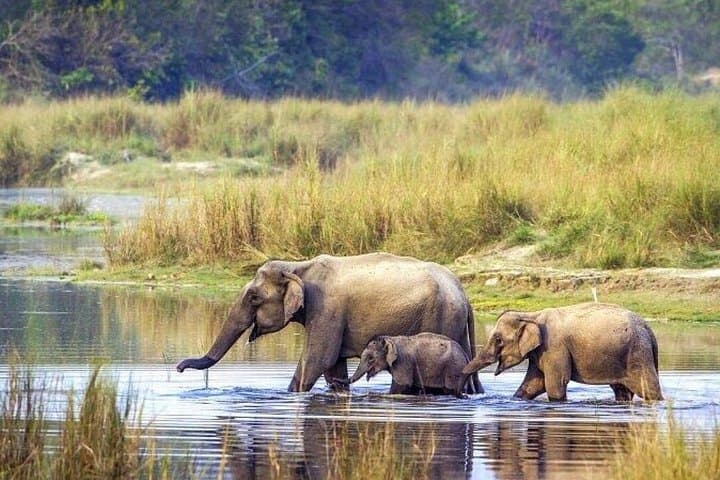
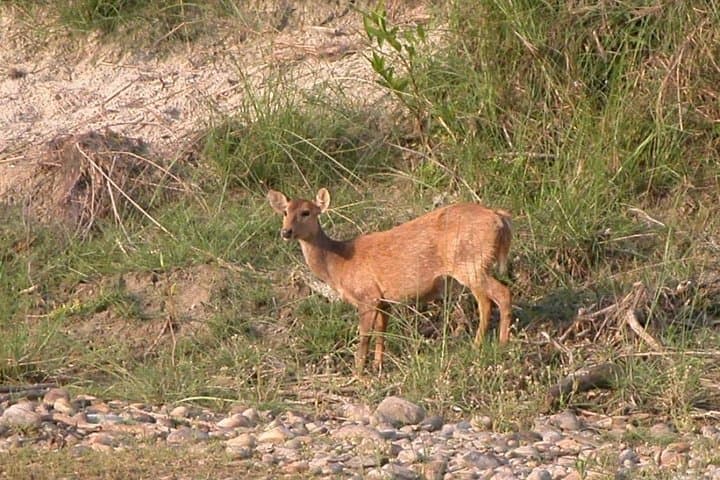
Bardia sits on alluvial plains carved by Himalayan rivers; the landscape is flat, intersected by oxbow lakes, grasslands and Sal forest. The national park was established to protect big mammals—tigers, swamp deer, elephant corridors—and the cultural landscape here includes the Tharu people, whose ancestral villages and jungle knowledge shape local tours. Palpa (Tansen) offers a contrasting hillside history: traditional palaces, stone streets, and vistas toward the Annapurna–Dhaulagiri arc.
Practical guidance: expect long transfers (the operator notes an extended road journey from Kathmandu or an internal flight to Nepalgunj followed by a drive). Safari windows are dawn and late afternoon; dress in breathable long sleeves to reduce ticks and sun exposure, and bring binoculars and a small daypack. Carry cash for remote purchases and tip guides modestly; respect Tharu homes by asking permission before photos.
Logistics: the trip includes hotel stays, park entrance fees, jeep safaris and guided nature walks—physical demands are low but early starts, uneven jungle trails and humid conditions mean good hydration and insect protection are musts.
moderate.
5 days.
Suitable for travelers in general good health; involves short walks, jeep rides and early starts rather than sustained hiking.
Tigers are elusive—sightings are possible but not guaranteed; the park has a healthy tiger population and early-morning jeep safaris and skilled local trackers improve your chances.
October to March offers cooler, drier conditions and clearer views; winter mornings can be cold but wildlife congregates near waterholes, improving sightings.
Routine vaccinations should be current; consult a travel clinic about typhoid and hepatitis A, and bring malaria prevention and mosquito protection as recommended for Terai regions.
You step from the jeep into a hush of tall grass; the Babai River runs in the distance and the forest breathes cool and green. Morning mist lifts off the Terai plain as guides and trackers scan for movement—the possibility of a Royal Bengal Tiger always at the edge of conversation. Over five days you trade Kathmandu’s high ridge for lowland forest, jeep tracks and village lanes, sunrise views over Dhaulagiri from Palpa, and Tharu homesteads that hold older rhythms.
Verified experiences and guided adventures in the surrounding area.
While accommodations are hotel-based and transfers use vehicles, safaris and village visits involve uneven ground and short walks—discuss mobility needs with the operator beforehand.
Bardia’s lowland forests were designated a national park in the late 20th century to protect threatened species and restore migration corridors; Palpa (Tansen) has been a regional cultural center with historic palaces and trade routes toward the Himalaya.
Bardia’s conservation focuses on human-wildlife coexistence—community-based anti-poaching and Tharu-led eco tourism help reduce conflict and support local livelihoods.
AM Travels and Tours operates guided outdoor trips and adventures with an emphasis on safety, stewardship, and memorable experiences.
You step from the jeep into a hush of tall grass; the Babai River runs in the distance and the forest breathes cool and green. Morning mist lifts off the Terai plain as guides and trackers scan for movement—the possibility of a Royal Bengal Tiger always at the edge of conversation. Over five days you trade Kathmandu’s high ridge for lowland forest, jeep tracks and village lanes, sunrise views over Dhaulagiri from Palpa, and Tharu homesteads that hold older rhythms.
Bardia sits on alluvial plains carved by Himalayan rivers; the landscape is flat, intersected by oxbow lakes, grasslands and Sal forest. The national park was established to protect big mammals—tigers, swamp deer, elephant corridors—and the cultural landscape here includes the Tharu people, whose ancestral villages and jungle knowledge shape local tours. Palpa (Tansen) offers a contrasting hillside history: traditional palaces, stone streets, and vistas toward the Annapurna–Dhaulagiri arc.
Practical guidance: expect long transfers (the operator notes an extended road journey from Kathmandu or an internal flight to Nepalgunj followed by a drive). Safari windows are dawn and late afternoon; dress in breathable long sleeves to reduce ticks and sun exposure, and bring binoculars and a small daypack. Carry cash for remote purchases and tip guides modestly; respect Tharu homes by asking permission before photos.
Logistics: the trip includes hotel stays, park entrance fees, jeep safaris and guided nature walks—physical demands are low but early starts, uneven jungle trails and humid conditions mean good hydration and insect protection are musts.