THE ADVENTURE COLLECTIVE® · Independent discovery and booking for outdoor travel

Traverse Ethiopia’s highland churches and the otherworldly Danakil Depression in five days. This route pairs UNESCO-listed rock-hewn sanctuaries with the raw volcanic spectacle of Erta Ale and salt flats of Dallol.
Traverse Ethiopia’s highland churches and the otherworldly Danakil Depression in five days. This route pairs UNESCO-listed rock-hewn sanctuaries with the raw volcanic spectacle of Erta Ale and salt flats of Dallol.
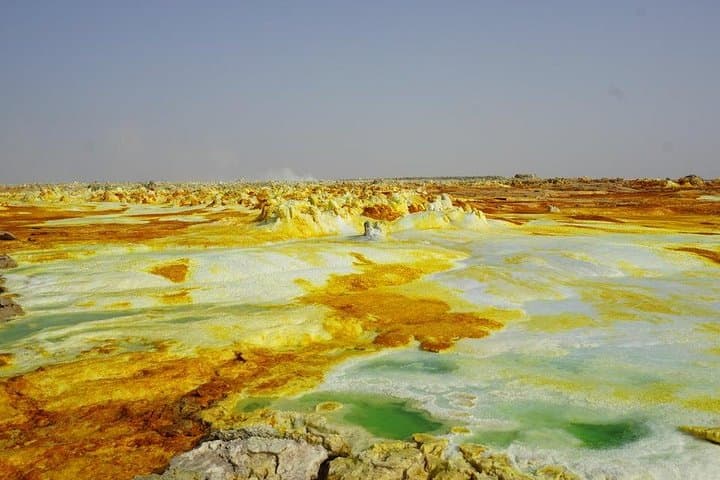
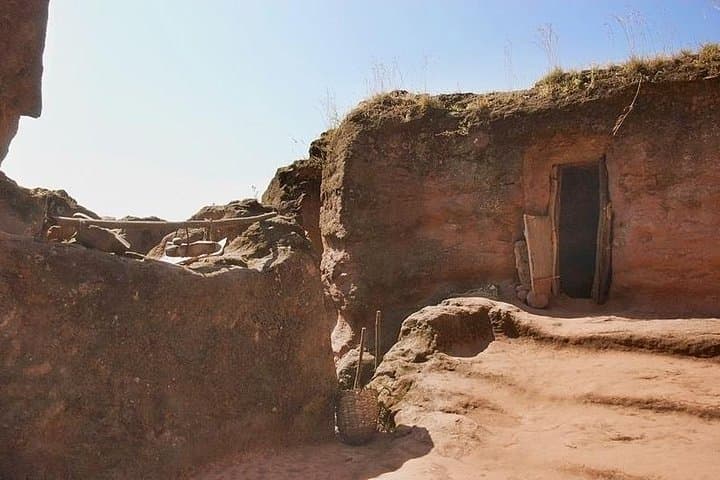
You arrive at dawn into a highland that still carries the footprints of ancient empires: sun chisels the edges of Lalibela’s rock-hewn churches, while miles north the Red Sea heat begins to press against the bubbles of the Danakil Depression. Over five days the landscape shifts from carved stone sanctuaries to jagged basalt, then to a raw, salt-scoured desert where Erta Ale’s lava lake boils like a separate weather system.
Verified experiences and guided adventures in the surrounding area.
Operated by Ethio Travel And Tours · Addis Ababa, Addis Ababa
You arrive at dawn into a highland that still carries the footprints of ancient empires: sun chisels the edges of Lalibela’s rock-hewn churches, while miles north the Red Sea heat begins to press against the bubbles of the Danakil Depression. Over five days the landscape shifts from carved stone sanctuaries to jagged basalt, then to a raw, salt-scoured desert where Erta Ale’s lava lake boils like a separate weather system.
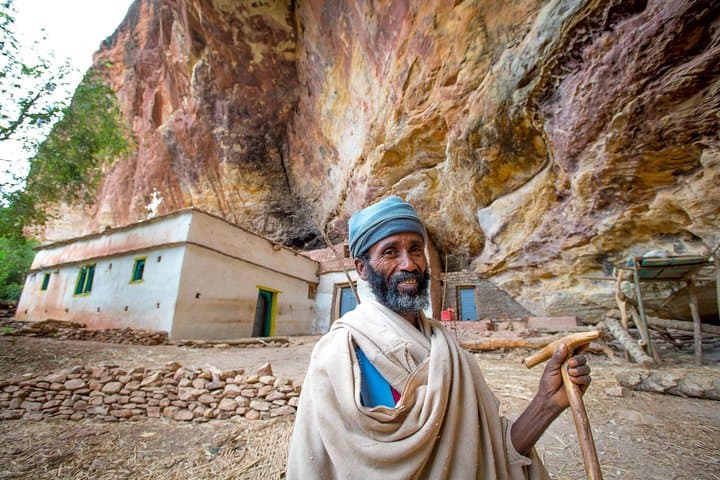
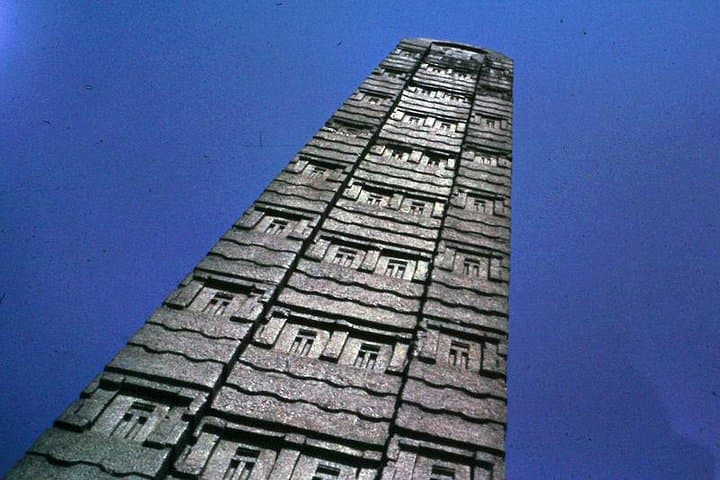
Lalibela’s 12th-century churches reveal medieval Ethiopian Christianity carved into living bedrock; Axum, the heart of the ancient Axumite Kingdom, holds stelae and ruins that map a trade empire. Geologically, Danakil sits at the Afar Triple Junction — three plates pulling apart to create fissures, hot springs and the rare, persistent lava lake of Erta Ale. Culturally, travel here means moving through Amhara and Tigray highlands into Afar lowlands, where salt caravans and pastoral life continue under extreme conditions.
Practically: expect long drives on rough roads, a domestic flight between Lalibela and Axum, and one night of basic camping at Erta Ale’s rim. Temperatures swing wildly — cool nights in the highlands, extreme heat and acidic fumes in the Danakil lowlands. Hydrate deliberately, use a guide for local permits and safety, and bring layered clothing and a good headlamp. Respect mining operations and local customs; tipping guides and drivers is standard.
This itinerary is for travelers prepared for remote conditions and dramatic contrasts — sacred stonework one day, molten geology the next.
moderate.
5 days.
Good baseline fitness for multi-day travel, a short overnight trek to Erta Ale rim and extended time on feet; able to handle basic camping.
Visiting is possible with experienced local guides; hazards include fumes, steep crater edges and remote access—follow guide instructions and avoid loose rims.
Yes, entry to Danakil typically requires permits and an organized tour; operators manage permits and logistics for safety and local regulations.
Lalibela and Axum offer lodges; travel into Danakil includes basic campsites—expect simple sleeping arrangements and shared facilities on the volcano night.
This itinerary includes domestic flights between Addis Ababa, Lalibela and Axum as listed by the operator—confirm flight times when booking.
Lalibela’s rock-hewn churches date to the late 12th–early 13th century under King Lalibela; Axum was a key capital of an ancient trading empire famed for its stelae and royal relics.
The Danakil’s fragile salt flats and volcanic features are sensitive to trampling and litter; stick to established paths, minimize waste and support local-led guides and communities.
Ethio Travel And Tours operates guided outdoor trips and adventures with an emphasis on safety, stewardship, and memorable experiences.
You arrive at dawn into a highland that still carries the footprints of ancient empires: sun chisels the edges of Lalibela’s rock-hewn churches, while miles north the Red Sea heat begins to press against the bubbles of the Danakil Depression. Over five days the landscape shifts from carved stone sanctuaries to jagged basalt, then to a raw, salt-scoured desert where Erta Ale’s lava lake boils like a separate weather system.
You arrive at dawn into a highland that still carries the footprints of ancient empires: sun chisels the edges of Lalibela’s rock-hewn churches, while miles north the Red Sea heat begins to press against the bubbles of the Danakil Depression. Over five days the landscape shifts from carved stone sanctuaries to jagged basalt, then to a raw, salt-scoured desert where Erta Ale’s lava lake boils like a separate weather system.
Lalibela’s 12th-century churches reveal medieval Ethiopian Christianity carved into living bedrock; Axum, the heart of the ancient Axumite Kingdom, holds stelae and ruins that map a trade empire. Geologically, Danakil sits at the Afar Triple Junction — three plates pulling apart to create fissures, hot springs and the rare, persistent lava lake of Erta Ale. Culturally, travel here means moving through Amhara and Tigray highlands into Afar lowlands, where salt caravans and pastoral life continue under extreme conditions.
Practically: expect long drives on rough roads, a domestic flight between Lalibela and Axum, and one night of basic camping at Erta Ale’s rim. Temperatures swing wildly — cool nights in the highlands, extreme heat and acidic fumes in the Danakil lowlands. Hydrate deliberately, use a guide for local permits and safety, and bring layered clothing and a good headlamp. Respect mining operations and local customs; tipping guides and drivers is standard.
This itinerary is for travelers prepared for remote conditions and dramatic contrasts — sacred stonework one day, molten geology the next.