THE ADVENTURE COLLECTIVE® · Independent discovery and booking for outdoor travel

A five-day high-altitude backpacking circuit around Ausangate that finishes with a sunset at Rainbow Mountain. Expect remote camps, steep passes above 5,000 m, and close contact with Quechua highland culture.
A five-day high-altitude backpacking circuit around Ausangate that finishes with a sunset at Rainbow Mountain. Expect remote camps, steep passes above 5,000 m, and close contact with Quechua highland culture.
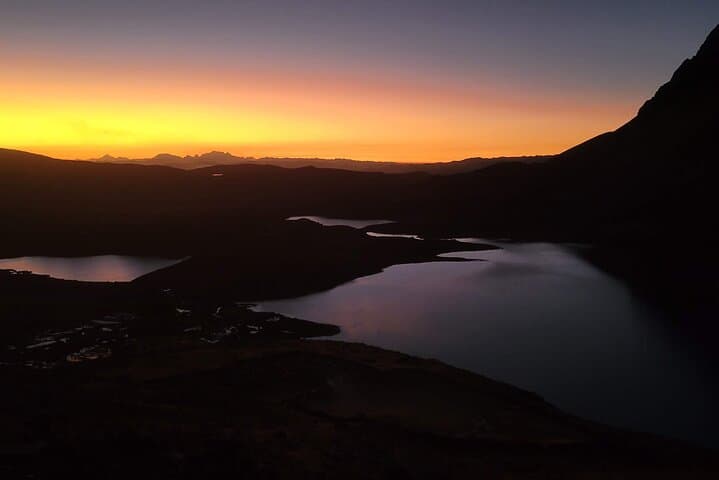
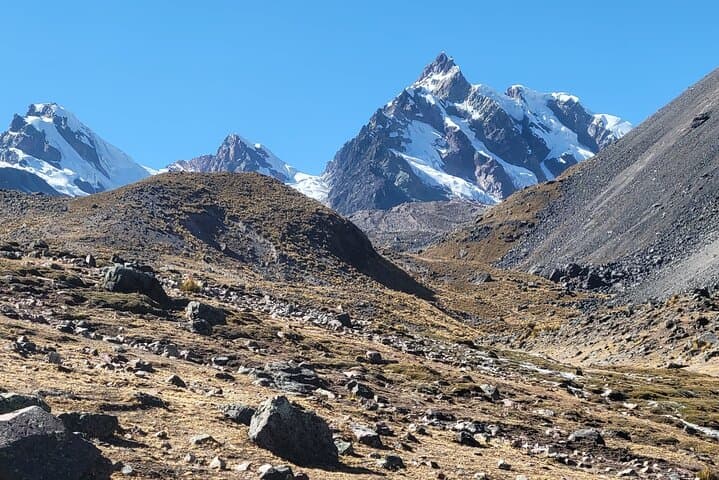
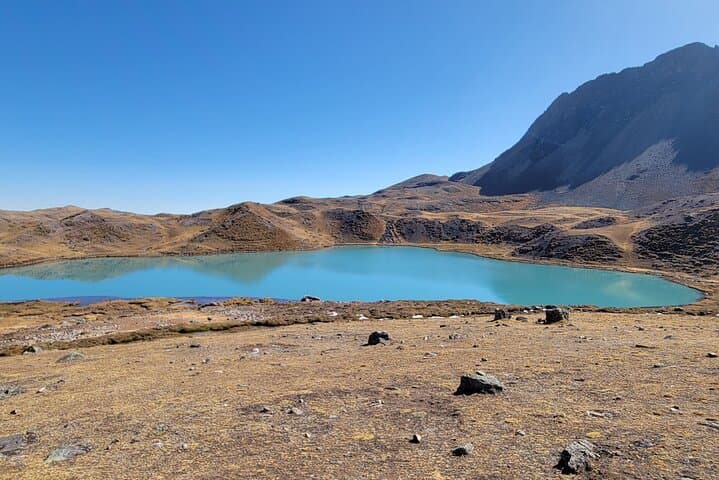
A cold wind from the high puna cuts across the camp as dawn pinks the glacial ridges of Ausangate. You shoulder your pack and step onto a trail worn by shepherds and llamas; the air is thin, the panorama immediate — jagged peaks, bright alpine lakes, and a ribbon of color rising on the flank of a saddle that will become Rainbow Mountain at sunset.
Verified experiences and guided adventures in the surrounding area.
Operated by Wonders of Peru Expeditions · Cusco, Cusco Region
A cold wind from the high puna cuts across the camp as dawn pinks the glacial ridges of Ausangate. You shoulder your pack and step onto a trail worn by shepherds and llamas; the air is thin, the panorama immediate — jagged peaks, bright alpine lakes, and a ribbon of color rising on the flank of a saddle that will become Rainbow Mountain at sunset.
This route threads ancient Inca pathways and pastoral highlands shaped by tectonics and glaciation: Ausangate is a granite-and-sediment massif sculpted by ice that feeds dozens of vivid lagoons. Local Quechua communities still herd llamas and weave, and small mountain shrines—apachetas—mark passes where travelers give thanks for safe passage.
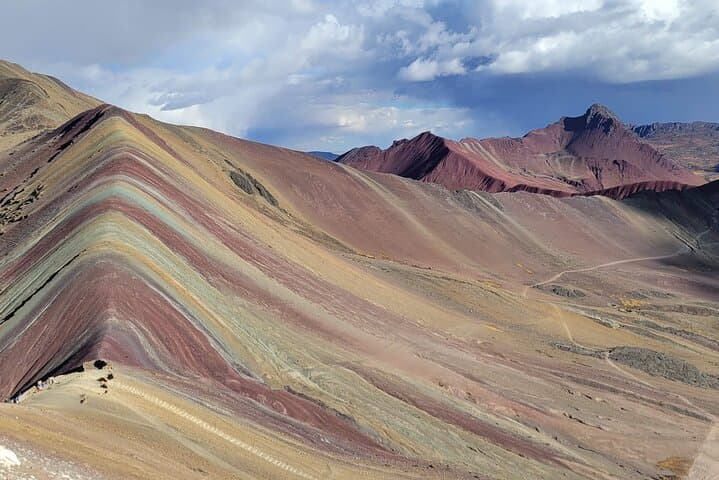
Expect long days of sustained ascent and descent between 4,500–5,130 m (14,760–16,830 ft), with rocky scree, grassy meadows, and occasional snowfields. Weather shifts quickly; sun can burn despite sub-zero nights. The trail offers close views of vicuñas and highland waterfowl, and the geology explains the rainbow banding — iron and copper minerals oxidized into striking stripes where erosion exposes sediment layers.
Practical guidance: acclimatize in Cusco (3,400 m) for 48–72 hours, carry a reliable sleeping system for cold nights, and plan for 5 days of camping with a knowledgeable bilingual guide. Hydrate deliberately and pace on steep passes; oxygen and first-aid are commonly carried by operators but come prepared for altitude discomfort. Aim for the dry season (May–September) for firmer trails and clearer mountain vistas.
challenging.
5 days.
Requires strong cardiovascular fitness and experience with sustained high-altitude hiking; ability to carry a multi-day pack or arrange mule support.
Yes—this is a multi-day, high-altitude trek. Prior multi-day backpacking or organized support (mules, porters) is strongly recommended.
The dry season, May–September, provides firmer trails and clearer skies; winter nights are cold but days are often sunny.
Entrance to Rainbow Mountain and some protected areas typically require tickets; reputable operators include these fees or arrange them on your behalf.
Altitude is a primary risk—symptoms vary. Proper acclimatization, gradual pacing, hydration, and recognizing warning signs are essential; professional guides carry oxygen and first-aid.
The Ausangate circuit follows routes used by pre-Hispanic communities and Inca-era paths; local Quechua traditions remain strong in shepherding and weaving crafts.
High-altitude wetlands and puna grasslands are fragile; stick to established campsites, pack out waste, and support local guides to minimize impact.
Wonders of Peru Expeditions operates guided outdoor trips and adventures with an emphasis on safety, stewardship, and memorable experiences.
A cold wind from the high puna cuts across the camp as dawn pinks the glacial ridges of Ausangate. You shoulder your pack and step onto a trail worn by shepherds and llamas; the air is thin, the panorama immediate — jagged peaks, bright alpine lakes, and a ribbon of color rising on the flank of a saddle that will become Rainbow Mountain at sunset.
A cold wind from the high puna cuts across the camp as dawn pinks the glacial ridges of Ausangate. You shoulder your pack and step onto a trail worn by shepherds and llamas; the air is thin, the panorama immediate — jagged peaks, bright alpine lakes, and a ribbon of color rising on the flank of a saddle that will become Rainbow Mountain at sunset.
This route threads ancient Inca pathways and pastoral highlands shaped by tectonics and glaciation: Ausangate is a granite-and-sediment massif sculpted by ice that feeds dozens of vivid lagoons. Local Quechua communities still herd llamas and weave, and small mountain shrines—apachetas—mark passes where travelers give thanks for safe passage.
Expect long days of sustained ascent and descent between 4,500–5,130 m (14,760–16,830 ft), with rocky scree, grassy meadows, and occasional snowfields. Weather shifts quickly; sun can burn despite sub-zero nights. The trail offers close views of vicuñas and highland waterfowl, and the geology explains the rainbow banding — iron and copper minerals oxidized into striking stripes where erosion exposes sediment layers.
Practical guidance: acclimatize in Cusco (3,400 m) for 48–72 hours, carry a reliable sleeping system for cold nights, and plan for 5 days of camping with a knowledgeable bilingual guide. Hydrate deliberately and pace on steep passes; oxygen and first-aid are commonly carried by operators but come prepared for altitude discomfort. Aim for the dry season (May–September) for firmer trails and clearer mountain vistas.