THE ADVENTURE COLLECTIVE® · Independent discovery and booking for outdoor travel

A five-day overland journey from Arba Minch down the Omo Valley that combines cultural encounters — Konso terraces, Hamer ceremonies, Mursi lip plates — with long, scenic drives along the Rift. Expect basic lodges, dusty roads and guided village visits coordinated around local markets and rituals.
A five-day overland journey from Arba Minch down the Omo Valley that combines cultural encounters — Konso terraces, Hamer ceremonies, Mursi lip plates — with long, scenic drives along the Rift. Expect basic lodges, dusty roads and guided village visits coordinated around local markets and rituals.
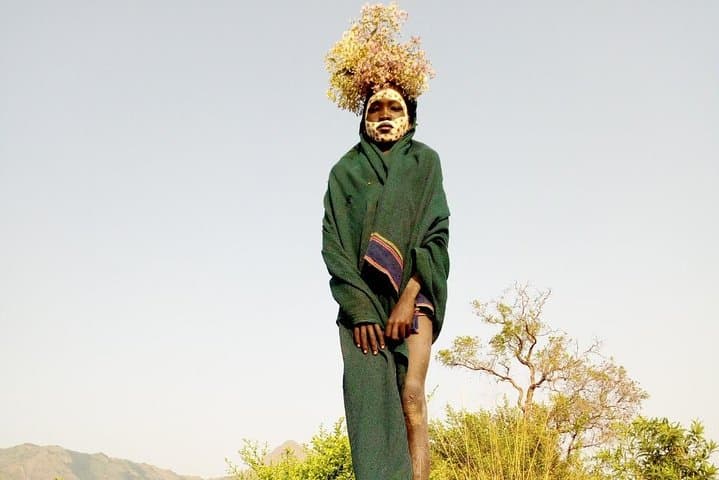
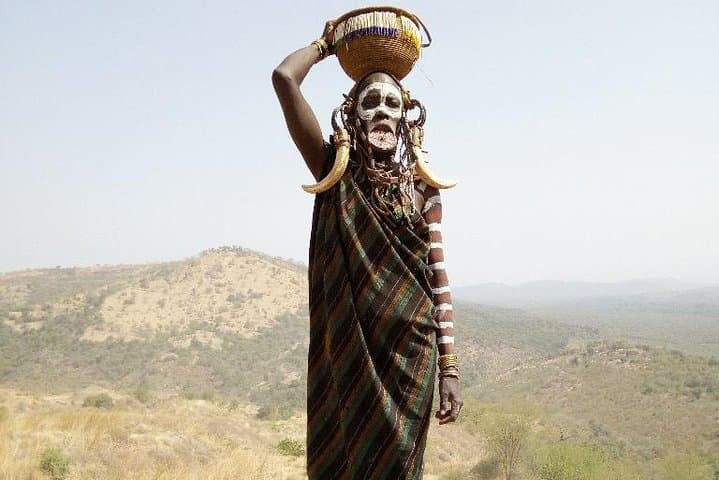
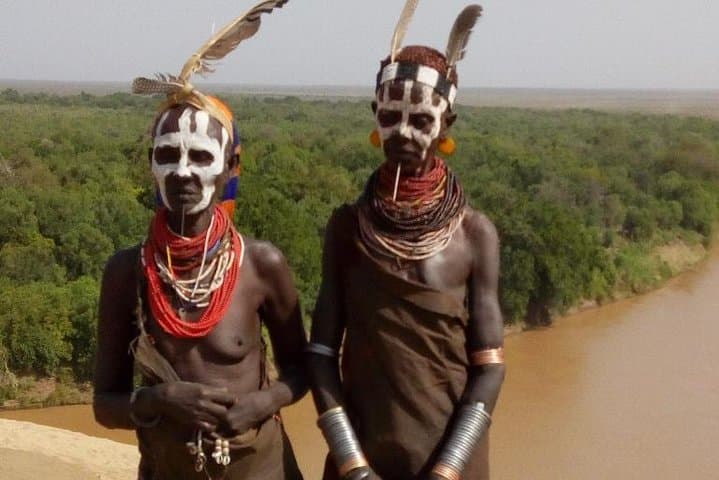
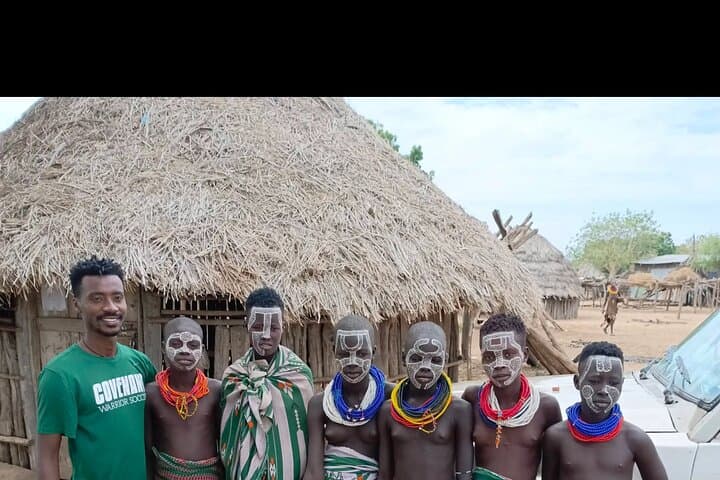
The bus winds away from Arba Minch at dawn, lakes dropping off to the left and a ragged spine of hills rising to the right, and you feel the landscape change with each kilometer: highland eucalyptus give way to acacia-dotted plains and the red dust of the Omo Gorge. Over five days the trip stitches together market mornings, river crossings and village visits — Dorze weavers on mountain terraces, the ancient terraced fields of Konso, the painted bodies of the Karo, Hamer bull-jumping ceremonies and the Mursi women with distinctive lip plates.
Verified experiences and guided adventures in the surrounding area.
Operated by Banti Omo Valley Tours · Arba Minch, Southern Nations, Nationalities, and Peoples' Region
The bus winds away from Arba Minch at dawn, lakes dropping off to the left and a ragged spine of hills rising to the right, and you feel the landscape change with each kilometer: highland eucalyptus give way to acacia-dotted plains and the red dust of the Omo Gorge. Over five days the trip stitches together market mornings, river crossings and village visits — Dorze weavers on mountain terraces, the ancient terraced fields of Konso, the painted bodies of the Karo, Hamer bull-jumping ceremonies and the Mursi women with distinctive lip plates.
Geology and history shape the route: the Rift Valley’s graben created the lakes and the dramatic incision of the Omo River, which has supported human cultures for millennia and preserves archaeological sites of early humans. Culturally this is a living frontier — tribal identity is expressed through dress, scarification and ritual and many communities still manage access through small village fees and guided visits.
Practically, expect long drives (several 3–6 hour stretches on mixed pavement and graded dirt), basic lodge accommodations, and timed visits coordinated around local markets and ceremonies. Bring cash (local birr) for entrance and tipping, sun protection, lightweight long sleeves for dust and respectful photography, and patience for spontaneous schedule changes — ceremonies happen on local timing. Vaccinations, malaria prophylaxis and travel insurance are recommended; guides handle logistics and village permissions. Travel here is immersive and direct: you’ll meet people whose lives are closely tied to the river and the seasons, and you should leave with a clearer understanding of how landscape, history and culture persist along the Omo.
moderate.
5 days.
Basic mobility and tolerance for long vehicle days; minimal hiking but frequent short walks in villages and uneven terrain.
Guides typically arrange village access and community fees on your behalf; bring cash for fees and always follow your guide’s instructions regarding visits.
Expect a mix of paved and unpaved graded roads; operators generally use 4x4 or high-clearance minibuses suitable for rural routes.
Photography etiquette varies—always ask consent first and defer to your guide; some ceremonies prohibit close-up photos or require a fee.
Recommended: routine vaccinations, malaria prophylaxis, and up-to-date travel insurance; carry water purification tablets if you have a sensitive stomach.
The Omo Valley has been inhabited for tens of thousands of years and contains archaeological sites important to understanding human evolution; Konso’s terraced agriculture dates back centuries and is UNESCO-recognized for its cultural landscape.
Tourism impacts local communities and river ecosystems; use guides who pay community fees, avoid single-use plastics, and follow leave-no-trace practices to reduce pressure on fragile riverine habitats.
Banti Omo Valley Tours operates guided outdoor trips and adventures with an emphasis on safety, stewardship, and memorable experiences.
The bus winds away from Arba Minch at dawn, lakes dropping off to the left and a ragged spine of hills rising to the right, and you feel the landscape change with each kilometer: highland eucalyptus give way to acacia-dotted plains and the red dust of the Omo Gorge. Over five days the trip stitches together market mornings, river crossings and village visits — Dorze weavers on mountain terraces, the ancient terraced fields of Konso, the painted bodies of the Karo, Hamer bull-jumping ceremonies and the Mursi women with distinctive lip plates.
The bus winds away from Arba Minch at dawn, lakes dropping off to the left and a ragged spine of hills rising to the right, and you feel the landscape change with each kilometer: highland eucalyptus give way to acacia-dotted plains and the red dust of the Omo Gorge. Over five days the trip stitches together market mornings, river crossings and village visits — Dorze weavers on mountain terraces, the ancient terraced fields of Konso, the painted bodies of the Karo, Hamer bull-jumping ceremonies and the Mursi women with distinctive lip plates.
Geology and history shape the route: the Rift Valley’s graben created the lakes and the dramatic incision of the Omo River, which has supported human cultures for millennia and preserves archaeological sites of early humans. Culturally this is a living frontier — tribal identity is expressed through dress, scarification and ritual and many communities still manage access through small village fees and guided visits.
Practically, expect long drives (several 3–6 hour stretches on mixed pavement and graded dirt), basic lodge accommodations, and timed visits coordinated around local markets and ceremonies. Bring cash (local birr) for entrance and tipping, sun protection, lightweight long sleeves for dust and respectful photography, and patience for spontaneous schedule changes — ceremonies happen on local timing. Vaccinations, malaria prophylaxis and travel insurance are recommended; guides handle logistics and village permissions. Travel here is immersive and direct: you’ll meet people whose lives are closely tied to the river and the seasons, and you should leave with a clearer understanding of how landscape, history and culture persist along the Omo.