THE ADVENTURE COLLECTIVE® · Independent discovery and booking for outdoor travel

A compact, five-day push from Pokhara to Annapurna Base Camp that trades slow acclimatization for intense, high-reward mileage. Expect steep trails, teahouse nights, and a sunrise above the Annapurna amphitheater at 4,130 m.
A compact, five-day push from Pokhara to Annapurna Base Camp that trades slow acclimatization for intense, high-reward mileage. Expect steep trails, teahouse nights, and a sunrise above the Annapurna amphitheater at 4,130 m.
You leave Pokhara before dawn, the city lights shrinking as a 4WD climbs off-road toward Matkew. The trail opens into terraces and rhododendron forests; rivers dare you to slow down, and the path pushes upward in a rhythm of switchbacks and stone steps. By the second day you feel the massif closing in—the pale flanks of Annapurna and the knife-edge profile of Machhapuchhre framing the sky.
Verified experiences and guided adventures in the surrounding area.
Operated by Nepal Mountain Club Pvt Ltd · Pokhara, Gandaki Province
You leave Pokhara before dawn, the city lights shrinking as a 4WD climbs off-road toward Matkew. The trail opens into terraces and rhododendron forests; rivers dare you to slow down, and the path pushes upward in a rhythm of switchbacks and stone steps. By the second day you feel the massif closing in—the pale flanks of Annapurna and the knife-edge profile of Machhapuchhre framing the sky.
The Annapurna range is young geology—folded sedimentary rocks thrust up by the collision of India and Eurasia—and human history here is layered more subtly. Gurung and Magar villages dot the route with stone teahouses and barley fields; the Annapurna Conservation Area (ACAP) runs the permits and community-based conservation that keep settlements viable and trails maintained.
This itinerary is compact and purposeful: Matkew to Chhomrong, climb toward Himalaya, push on to MBC and Annapurna Base Camp (4,130 m), sunrise at ABC, then a steady descent back to Matku and a 4WD return to Pokhara. Expect steep ascents, thin air at altitude, and sweeping amphitheater views of Annapurna I, Gangapurna and Machhapuchhre.
Practical edge: acclimate where possible, move steadily, and use your guide—the route is well-trod but physically demanding. Carry layers for cold nights, high-calorie snacks, and a headlamp for early starts. Permits (ACAP, TIMS) are mandatory and usually handled by the operator; pack cash for teahouse snacks and phone charging. With focused fitness and proper gear, this short ABC trek delivers high-mountain scenery on a compressed, efficient schedule.
challenging.
5 days.
High cardiovascular fitness and strong hiking legs required; prior multi-day trekking experience recommended
Yes—Annapurna Conservation Area Project (ACAP) permit and TIMS are required; the operator typically arranges them before the trek.
ABC reaches 4,130 m, so mild to moderate altitude effects are possible; acclimatize, hydrate, ascend slowly and communicate symptoms to your guide.
Teahouse guesthouses are included per itinerary—simple rooms with shared facilities are standard at higher elevations.
It’s short but demanding; first-time trekkers with excellent fitness and prior multi-day hiking experience can manage, but high-altitude experience is beneficial.
Local Gurung and Magar communities have used these mountain passes for centuries; ACAP established community management that blends conservation with traditional livelihoods.
Trek within ACAP rules—pack out waste, minimize single-use plastics, and use local guides and teahouses to support sustainable tourism.
Nepal Mountain Club Pvt Ltd operates guided outdoor trips and adventures with an emphasis on safety, stewardship, and memorable experiences.
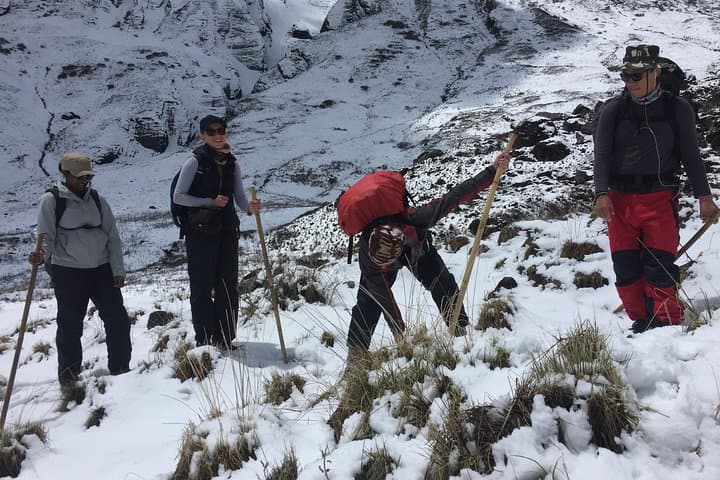
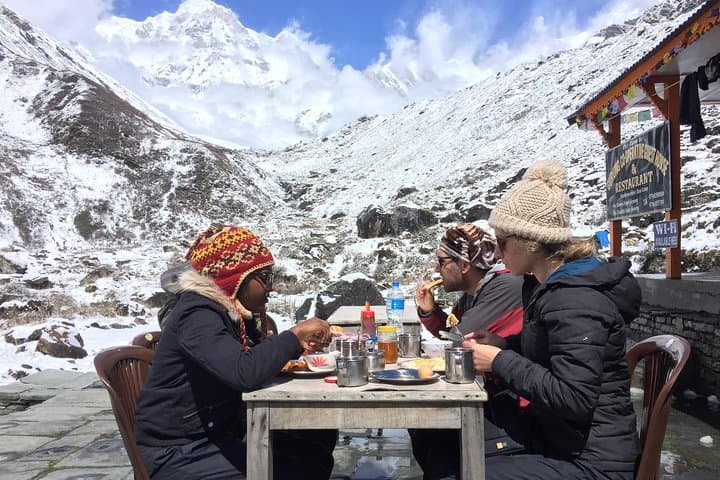
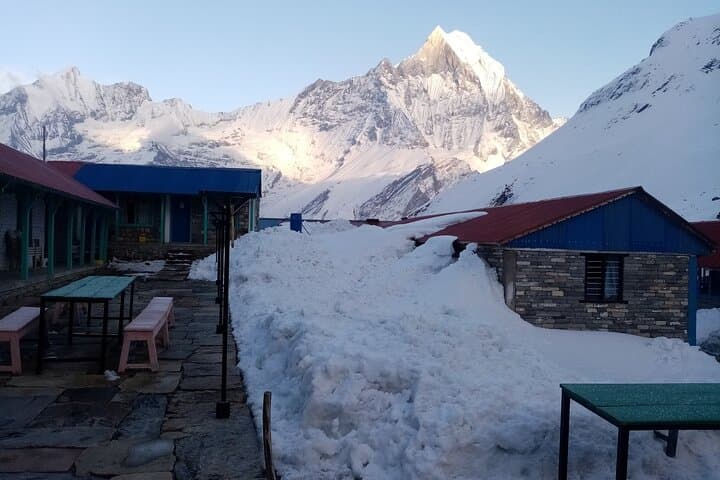
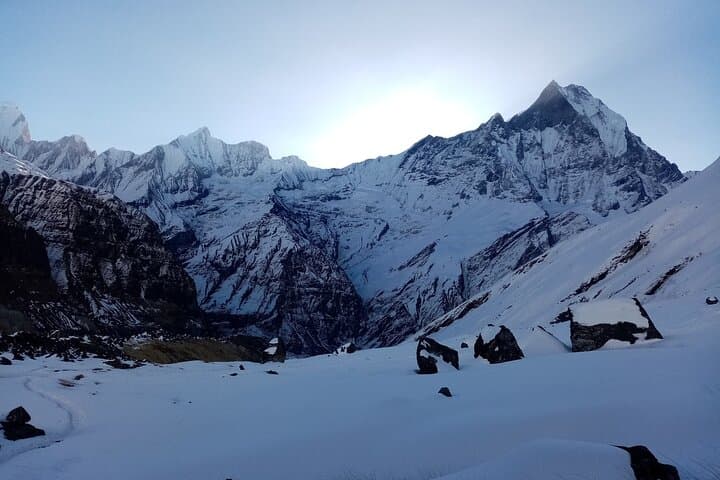
You leave Pokhara before dawn, the city lights shrinking as a 4WD climbs off-road toward Matkew. The trail opens into terraces and rhododendron forests; rivers dare you to slow down, and the path pushes upward in a rhythm of switchbacks and stone steps. By the second day you feel the massif closing in—the pale flanks of Annapurna and the knife-edge profile of Machhapuchhre framing the sky.
You leave Pokhara before dawn, the city lights shrinking as a 4WD climbs off-road toward Matkew. The trail opens into terraces and rhododendron forests; rivers dare you to slow down, and the path pushes upward in a rhythm of switchbacks and stone steps. By the second day you feel the massif closing in—the pale flanks of Annapurna and the knife-edge profile of Machhapuchhre framing the sky.
The Annapurna range is young geology—folded sedimentary rocks thrust up by the collision of India and Eurasia—and human history here is layered more subtly. Gurung and Magar villages dot the route with stone teahouses and barley fields; the Annapurna Conservation Area (ACAP) runs the permits and community-based conservation that keep settlements viable and trails maintained.
This itinerary is compact and purposeful: Matkew to Chhomrong, climb toward Himalaya, push on to MBC and Annapurna Base Camp (4,130 m), sunrise at ABC, then a steady descent back to Matku and a 4WD return to Pokhara. Expect steep ascents, thin air at altitude, and sweeping amphitheater views of Annapurna I, Gangapurna and Machhapuchhre.
Practical edge: acclimate where possible, move steadily, and use your guide—the route is well-trod but physically demanding. Carry layers for cold nights, high-calorie snacks, and a headlamp for early starts. Permits (ACAP, TIMS) are mandatory and usually handled by the operator; pack cash for teahouse snacks and phone charging. With focused fitness and proper gear, this short ABC trek delivers high-mountain scenery on a compressed, efficient schedule.