THE ADVENTURE COLLECTIVE® · Independent discovery and booking for outdoor travel

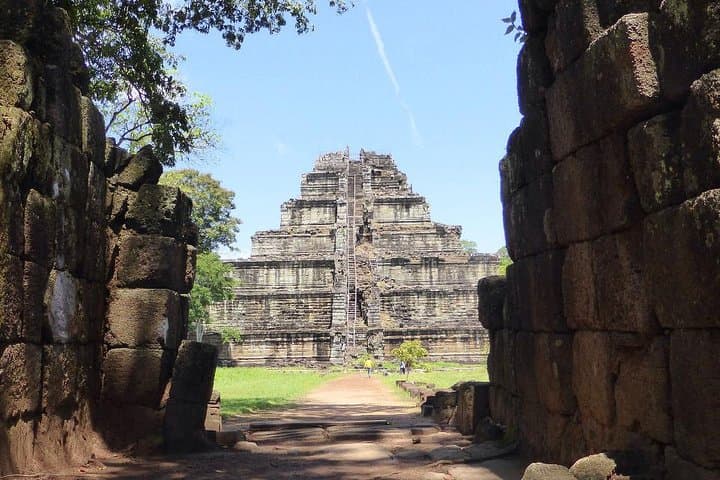
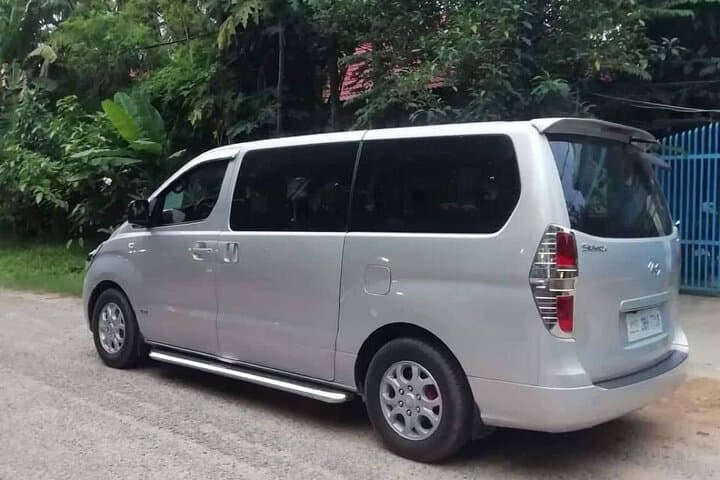
Five days of private transport and an English guide through Angkor Park, Phnom Kulen, Koh Ker, Beng Mealea and Kampong Phluk. Expect long walking days, early starts for sunrise, and visits to remote jungle temples and floating villages.
Five days of private transport and an English guide through Angkor Park, Phnom Kulen, Koh Ker, Beng Mealea and Kampong Phluk. Expect long walking days, early starts for sunrise, and visits to remote jungle temples and floating villages.
Dawn breaks over a mirrored moat and the silhouette of Angkor Wat sharpens against a pale sky — the first of many mornings this five‑day private tour will plant you in places where stone outlived empires.
Verified experiences and guided adventures in the surrounding area.
Operated by Asia Voyage Tour · Siem Reap, Siem Reap Province
Dawn breaks over a mirrored moat and the silhouette of Angkor Wat sharpens against a pale sky — the first of many mornings this five‑day private tour will plant you in places where stone outlived empires.
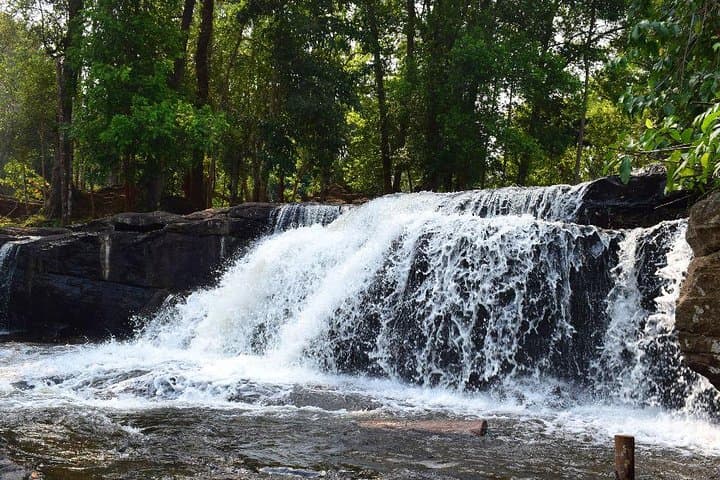
You move through heat and humidity, through forested causeways and over carved lintels that record 9th–13th century Khmer life: Bayon’s smiling faces, the tree‑entangled galleries of Ta Prohm, and the red‑sandstone filigree of Banteay Srei. Geologically, the region sits on flat alluvial plains with low hills like Phnom Kulen and the Dângrêk range at the edge, where waterfalls and the River of 1,000 Lingas trace ancient rivercourses and ritual sites.
Culturally the trip threads living communities — stilted houses of Kampong Phluk, local markets and artisans preserving carving and silk work — with imperial capitals and pilgrimage routes. Guides explain temple iconography, restoration choices and the modern rhythms of Siem Reap’s hospitality economy.
Practically: expect long days (8–12 hours) with substantial walking on uneven stone, sandy tracks and occasional jungle trails. Angkor passes are required (buy on arrival or in advance) and some temples restrict numbers at peak times. Hydrate often, wear sun protection and respectful clothing (knees and shoulders covered at sacred sites). Morning light is best for photos and to avoid heat; afternoons are good for quieter exploration and visits to villages or markets. Boat rides on Tonle Sap are motorised and depend on water levels. This private itinerary balances must‑see monuments with remote ruins — a thorough, physically accessible way to absorb the landscape and its layered history.
moderate.
5 days (8–12 hours/day).
Suitable for travelers comfortable walking 5–10 km per day on uneven terrain and climbing temple steps.
Yes — every visitor requires an Angkor pass (3‑day or 7‑day) purchased at the official Angkor Enterprise office; guides can advise on timing.
Yes — the private tour includes hotel pickup and drop‑off in Siem Reap; be ready in the lobby 15 minutes before the scheduled start.
Not for children under 3; many sites require walking and have uneven steps — infant seats are available for transfers but temple access can be limited.
Some main temples have relatively flat approaches, but many sites have steep, irregular stone steps and tree‑rooted ruins; mobility issues may limit access to inner galleries.
The Angkor complex was the heart of the Khmer Empire (9th–15th centuries), with Angkor Wat built in the early 12th century as a state temple and mausoleum for Suryavarman II.
Sites face erosion from tourists, vegetation and water; follow stay‑on‑path rules, avoid touching carvings and support local conservation fees and community tourism initiatives.
Asia Voyage Tour operates guided outdoor trips and adventures with an emphasis on safety, stewardship, and memorable experiences.

Dawn breaks over a mirrored moat and the silhouette of Angkor Wat sharpens against a pale sky — the first of many mornings this five‑day private tour will plant you in places where stone outlived empires.
Dawn breaks over a mirrored moat and the silhouette of Angkor Wat sharpens against a pale sky — the first of many mornings this five‑day private tour will plant you in places where stone outlived empires.
You move through heat and humidity, through forested causeways and over carved lintels that record 9th–13th century Khmer life: Bayon’s smiling faces, the tree‑entangled galleries of Ta Prohm, and the red‑sandstone filigree of Banteay Srei. Geologically, the region sits on flat alluvial plains with low hills like Phnom Kulen and the Dângrêk range at the edge, where waterfalls and the River of 1,000 Lingas trace ancient rivercourses and ritual sites.
Culturally the trip threads living communities — stilted houses of Kampong Phluk, local markets and artisans preserving carving and silk work — with imperial capitals and pilgrimage routes. Guides explain temple iconography, restoration choices and the modern rhythms of Siem Reap’s hospitality economy.
Practically: expect long days (8–12 hours) with substantial walking on uneven stone, sandy tracks and occasional jungle trails. Angkor passes are required (buy on arrival or in advance) and some temples restrict numbers at peak times. Hydrate often, wear sun protection and respectful clothing (knees and shoulders covered at sacred sites). Morning light is best for photos and to avoid heat; afternoons are good for quieter exploration and visits to villages or markets. Boat rides on Tonle Sap are motorised and depend on water levels. This private itinerary balances must‑see monuments with remote ruins — a thorough, physically accessible way to absorb the landscape and its layered history.