THE ADVENTURE COLLECTIVE® · Independent discovery and booking for outdoor travel

A compact 5-day circuit from Cusco through the Sacred Valley to Machu Picchu and Humantay Lake—this tour blends Inca archaeology, Andean landscapes and a high-altitude day hike. Expect cultural sites, train travel, and one moderate mountain hike to a glacial lagoon.
A compact 5-day circuit from Cusco through the Sacred Valley to Machu Picchu and Humantay Lake—this tour blends Inca archaeology, Andean landscapes and a high-altitude day hike. Expect cultural sites, train travel, and one moderate mountain hike to a glacial lagoon.
Dawn breaks over Cusco’s red-tiled roofs and the city exhales cold mountain air; you step out and the stones feel older than time. The tour threads you through Qoricancha’s polished Inca masonry, climbs to the fortress terraces of Saqsaywaman with sweeping views of the valley, and follows the river-carved corridor into the Sacred Valley where terraces and shepherded fields lean into steep Andes slopes.
Verified experiences and guided adventures in the surrounding area.
Operated by Peru Cultural Connection · Cusco, Cusco
Dawn breaks over Cusco’s red-tiled roofs and the city exhales cold mountain air; you step out and the stones feel older than time. The tour threads you through Qoricancha’s polished Inca masonry, climbs to the fortress terraces of Saqsaywaman with sweeping views of the valley, and follows the river-carved corridor into the Sacred Valley where terraces and shepherded fields lean into steep Andes slopes.
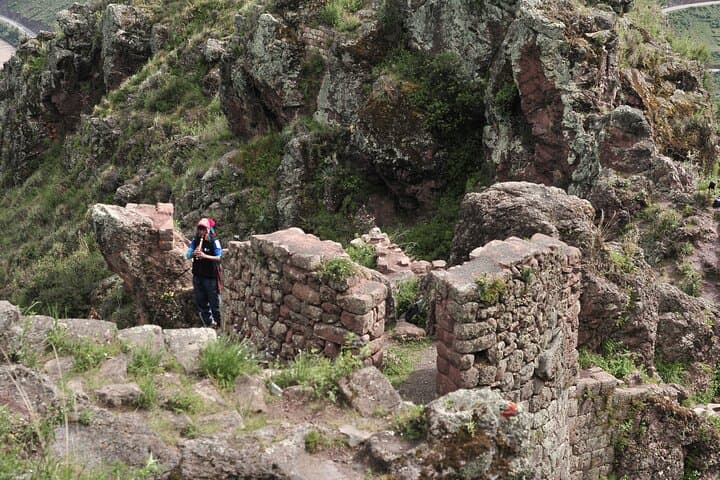
This route traces centuries of human and geological activity: uplifted volcanic and sedimentary layers shaped the Urubamba basin, while the Incas carved agricultural terraces and ceremonial centers across those slopes. Pisac’s market still carries textiles and ceramics that echo local Quechua traditions; Ollantaytambo’s tight streets and massive stonework recall its role as a defensive and administrative hub guarding the approach to Machu Picchu.
On day three a scenic train drops you into Aguas Calientes; a short bus ride brings you to the citadel where guided circuits reveal agricultural zones, temples and terraces perched at 2,430 m. The Humantay Lake day demands more breath — a 1.5-hour uphill on mixed dirt and rocky trail from Soraypampa to a glacial lake at about 4,200 m, with roughly 3 km and 350–450 m elevation gain depending on route.
Practical notes: schedule an extra day to acclimatize in Cusco (3,400 m), pack layered insulation, sturdy hiking footwear, and sunscreen, and prioritize hydration. Trains and Machu Picchu tickets sell out in high season (May–September), so book in advance. Expect paved roads, short dirt sections, and variable weather; mornings are coolest and clearest for photography.
moderate.
5 days.
Moderate fitness recommended — comfortable walking and at least one day with sustained uphill effort at high elevation.
Yes — this itinerary lists all entrances included, but confirm ticket class (standard vs. Huayna Picchu/Wayna options) when booking.
The hike is rated medium: about 1.5 hours up from Soraypampa with 350–450 m elevation gain; pace depends on acclimatization and fitness.
Standard trains are reliable; Vistadome offers panoramic windows for better scenery—choose based on budget and desire for views.
This private tour includes hotel transfers in Cusco — confirm your pickup point when you book to coordinate timing.
Cusco was the capital of the Inca Empire; many sites on this route served agricultural, administrative and ceremonial roles in pre-Columbian times.
High visitor numbers strain fragile stonework and alpine ecosystems; stick to marked paths, avoid single-use plastics, and follow local guide instructions to minimize impact.
Peru Cultural Connection operates guided outdoor trips and adventures with an emphasis on safety, stewardship, and memorable experiences.


Dawn breaks over Cusco’s red-tiled roofs and the city exhales cold mountain air; you step out and the stones feel older than time. The tour threads you through Qoricancha’s polished Inca masonry, climbs to the fortress terraces of Saqsaywaman with sweeping views of the valley, and follows the river-carved corridor into the Sacred Valley where terraces and shepherded fields lean into steep Andes slopes.
Dawn breaks over Cusco’s red-tiled roofs and the city exhales cold mountain air; you step out and the stones feel older than time. The tour threads you through Qoricancha’s polished Inca masonry, climbs to the fortress terraces of Saqsaywaman with sweeping views of the valley, and follows the river-carved corridor into the Sacred Valley where terraces and shepherded fields lean into steep Andes slopes.
This route traces centuries of human and geological activity: uplifted volcanic and sedimentary layers shaped the Urubamba basin, while the Incas carved agricultural terraces and ceremonial centers across those slopes. Pisac’s market still carries textiles and ceramics that echo local Quechua traditions; Ollantaytambo’s tight streets and massive stonework recall its role as a defensive and administrative hub guarding the approach to Machu Picchu.
On day three a scenic train drops you into Aguas Calientes; a short bus ride brings you to the citadel where guided circuits reveal agricultural zones, temples and terraces perched at 2,430 m. The Humantay Lake day demands more breath — a 1.5-hour uphill on mixed dirt and rocky trail from Soraypampa to a glacial lake at about 4,200 m, with roughly 3 km and 350–450 m elevation gain depending on route.
Practical notes: schedule an extra day to acclimatize in Cusco (3,400 m), pack layered insulation, sturdy hiking footwear, and sunscreen, and prioritize hydration. Trains and Machu Picchu tickets sell out in high season (May–September), so book in advance. Expect paved roads, short dirt sections, and variable weather; mornings are coolest and clearest for photography.