THE ADVENTURE COLLECTIVE® · Independent discovery and booking for outdoor travel

Choose a quiet, high-Andean alternative to the classic Inca Trail: a five-day trek over alpine passes, glacial lagoons, and ancient stone trails that finishes at Machu Picchu. Expect remote camps, high passes above 15,000 ft, and close contact with local herding communities.
Choose a quiet, high-Andean alternative to the classic Inca Trail: a five-day trek over alpine passes, glacial lagoons, and ancient stone trails that finishes at Machu Picchu. Expect remote camps, high passes above 15,000 ft, and close contact with local herding communities.
Dawn breaks cold and thin at the Soqma trailhead; your breath fogs as the trail climbs away from terraced fields into a highland plain. Over five days you move between glacier-carved ridgelines and turquoise lagoons, crossing ancient stone paths where shepherds and muleteers still lead packs along centuries-old routes.
Verified experiences and guided adventures in the surrounding area.
Operated by Andean Great Treks · Cusco, Cusco
Dawn breaks cold and thin at the Soqma trailhead; your breath fogs as the trail climbs away from terraced fields into a highland plain. Over five days you move between glacier-carved ridgelines and turquoise lagoons, crossing ancient stone paths where shepherds and muleteers still lead packs along centuries-old routes.
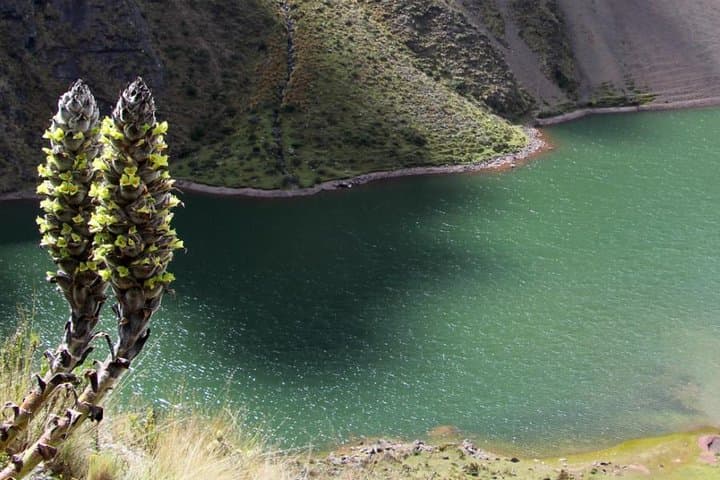
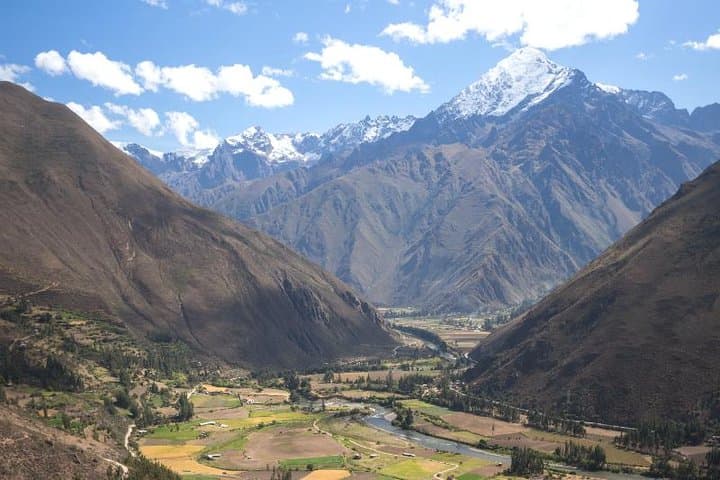
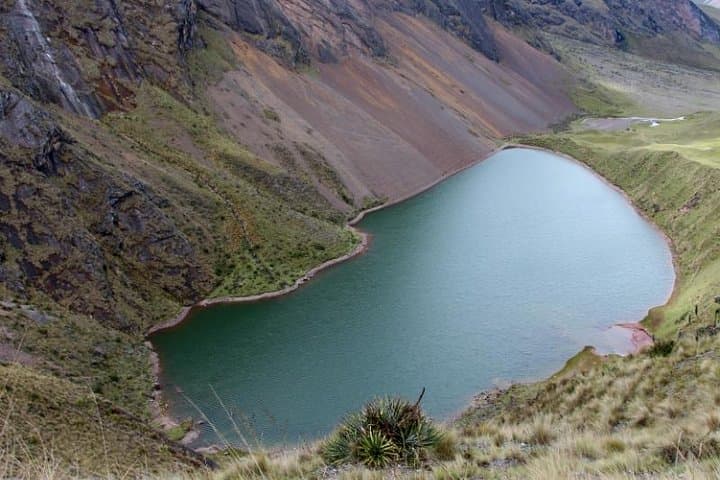
The Ancascocha alternative follows lesser-used Inca pathways through the Urubamba range, offering direct views of Salkantay (6,271 m) and nearby peaks like Humantay and Huayanay. Geologically this is a landscape of uplifted granite and volcanic intrusions, sculpted by glaciers into cirques and moraine-dammed lakes—Ancascocha among them. Culturally the route threads small Andean communities; expect gentle exchanges with herders and an opportunity to see traditional highland agriculture and Inca stonework at sites such as Perolniyoq and Llaqtapata.
Practically, the itinerary reaches its high point at Wayanay pass (~15,252 ft / 4,648 m) with a typical camp near Ancascocha at ~14,432 ft (4,397 m). Terrain ranges from high plains and switchbacks to restored Inca trail sections and single-track descent to KM 82. Camping is provided; horses carry heavy gear while hikers carry day packs.
Plan for altitude: spend at least one night in Cusco before departure, pace conservatively, and prioritize sleep, calories, and hydration. Wear sturdy boots with ankle support, layer for wide temperature swings, and carry a reliable rain shell—the weather shifts quickly at these elevations. The endpoint is Machu Picchu, reached by train from Ollantaytambo, giving a dramatic finish to a quieter, more solitary classic of Andean trekking.
challenging.
5 days (approx. 40–60 km depending on routing).
Be in strong aerobic condition with experience on multi-day hikes at altitude; expect long days and steep climbs.
It's similarly demanding due to high passes, but less crowded; expect comparable elevation gain and full days of hiking over uneven terrain.
This alternative route is offered through licensed operators who manage permits, camping, and train transfers—book through an operator to handle logistics and Machu Picchu entry.
Operators carry first-aid kits and oxygen; they can provide an emergency horse or evacuate you to lower elevation—communicate symptoms early and descend if needed.
Yes: tents, sleeping pads, dining tent, and meals (breakfasts, lunches, dinners) are typically included; check dietary needs with the operator in advance.
The trail follows lesser-used Inca connectors that linked highland communities to the Sacred Valley and routes toward Machu Picchu, retaining original stone steps and alignments.
Stick to established campsites, carry out all trash, and travel with licensed operators who use pack animals to limit human footprint and reduce soil erosion.
Andean Great Treks operates guided outdoor trips and adventures with an emphasis on safety, stewardship, and memorable experiences.
Dawn breaks cold and thin at the Soqma trailhead; your breath fogs as the trail climbs away from terraced fields into a highland plain. Over five days you move between glacier-carved ridgelines and turquoise lagoons, crossing ancient stone paths where shepherds and muleteers still lead packs along centuries-old routes.
Dawn breaks cold and thin at the Soqma trailhead; your breath fogs as the trail climbs away from terraced fields into a highland plain. Over five days you move between glacier-carved ridgelines and turquoise lagoons, crossing ancient stone paths where shepherds and muleteers still lead packs along centuries-old routes.
The Ancascocha alternative follows lesser-used Inca pathways through the Urubamba range, offering direct views of Salkantay (6,271 m) and nearby peaks like Humantay and Huayanay. Geologically this is a landscape of uplifted granite and volcanic intrusions, sculpted by glaciers into cirques and moraine-dammed lakes—Ancascocha among them. Culturally the route threads small Andean communities; expect gentle exchanges with herders and an opportunity to see traditional highland agriculture and Inca stonework at sites such as Perolniyoq and Llaqtapata.
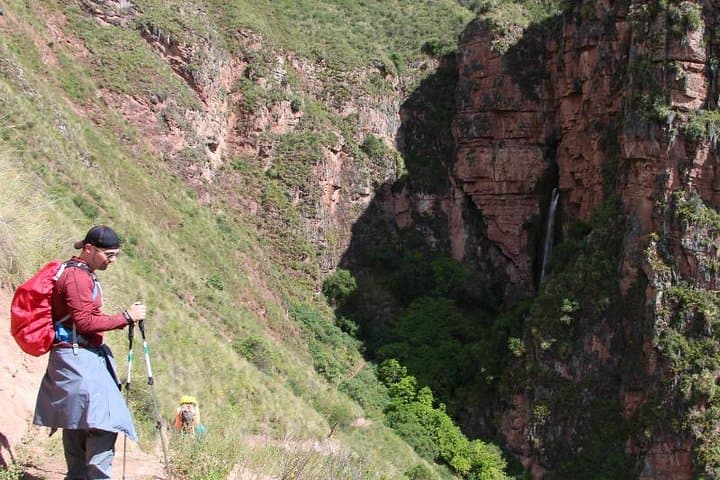
Practically, the itinerary reaches its high point at Wayanay pass (~15,252 ft / 4,648 m) with a typical camp near Ancascocha at ~14,432 ft (4,397 m). Terrain ranges from high plains and switchbacks to restored Inca trail sections and single-track descent to KM 82. Camping is provided; horses carry heavy gear while hikers carry day packs.
Plan for altitude: spend at least one night in Cusco before departure, pace conservatively, and prioritize sleep, calories, and hydration. Wear sturdy boots with ankle support, layer for wide temperature swings, and carry a reliable rain shell—the weather shifts quickly at these elevations. The endpoint is Machu Picchu, reached by train from Ollantaytambo, giving a dramatic finish to a quieter, more solitary classic of Andean trekking.