THE ADVENTURE COLLECTIVE® · Independent discovery and booking for outdoor travel

Move beyond sightseeing into hands-on survival on a five-day course from Iquitos. Learn shelter, fire, fishing and navigation techniques led by native instructors while traveling by boat through the Amazon’s ever-shifting channels.
Move beyond sightseeing into hands-on survival on a five-day course from Iquitos. Learn shelter, fire, fishing and navigation techniques led by native instructors while traveling by boat through the Amazon’s ever-shifting channels.
You step off the motorboat into a humid chorus: insects tuning, distant birdcalls, and the river itself daring you to move deeper. The village house where the course begins smells of smoked fish and fresh-cut palm; guides hand over machetes and a simple map of the channels you’ll learn to read.
Verified experiences and guided adventures in the surrounding area.
Operated by Amazon Explorer S.R.L · Iquitos, Loreto
You step off the motorboat into a humid chorus: insects tuning, distant birdcalls, and the river itself daring you to move deeper. The village house where the course begins smells of smoked fish and fresh-cut palm; guides hand over machetes and a simple map of the channels you’ll learn to read.
This region around Iquitos grew from river trade and the rubber boom of the late 19th century; today small riverside communities balance traditional lifeways with tourism. Geologically, the Amazon basin is young and flat — sediments shifted by seasonal floods carve oxbow lakes and muddy banks that become highways in the wet months. Local instructors, often from indigenous backgrounds, teach identification of plants used for medicine and food, and practical skills born of generations living with the river.
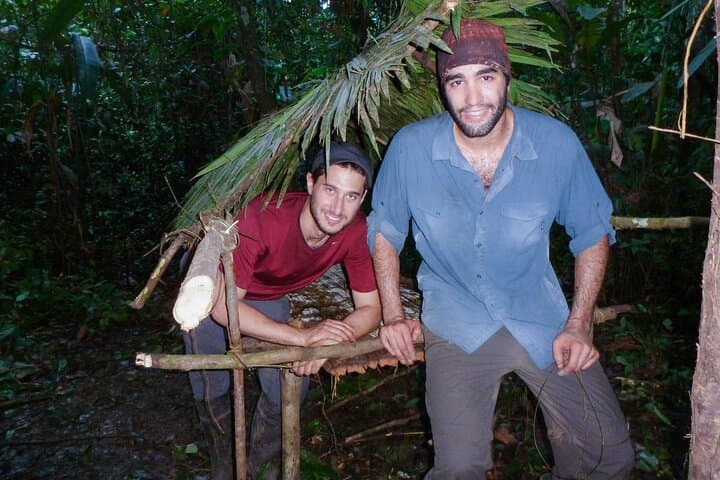
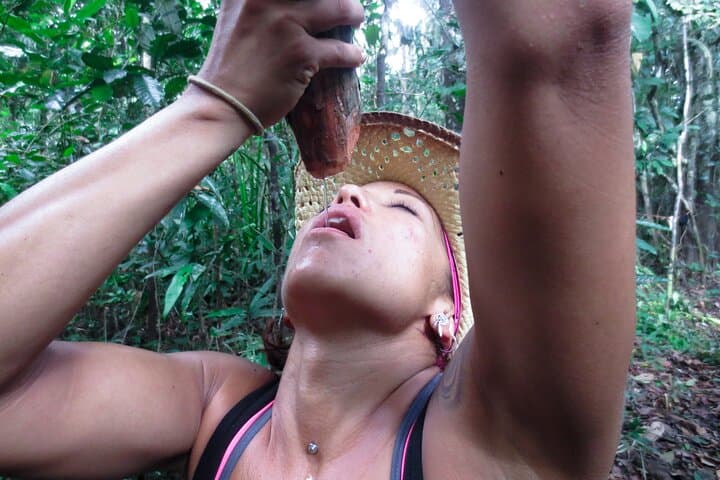
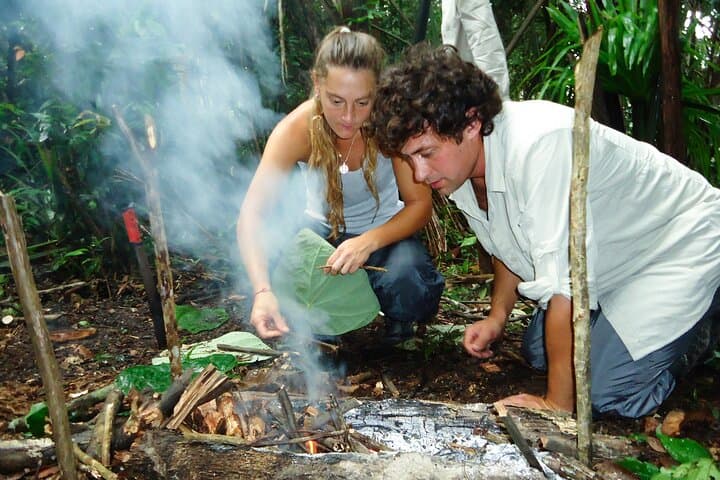
Over five days you’ll build shelters, make fires without modern tinder, improvise fishing gear, construct flotation devices and navigate by natural signs. Nights are raw: stars hidden by canopy, the river’s current like a living thing pushing and pulling. Expect simple village houses, jungle bivouacs, and meals drawn from what you catch or gather.
Practical guidance: arrive rested in Iquitos a day early, bring durable high-ankle boots, insect protection and a reliable headlamp. Hydration and sun/rain layering matter — the weather can flip within hours. Medical conditions are taken seriously; disclose allergies and passport details in advance. The program supports local villages and issues a certificate on return to Iquitos, but remember this is a skills-focused, low-comfort course that asks you to rely on the environment rather than avoid it.
challenging.
5 days.
Participants should have a moderate to high level of fitness: ability to hike on uneven terrain, carry a daypack, and sleep in basic jungle conditions.
No prior experience required; instructors teach practical skills, but a reasonable fitness level and comfort outdoors are important.
Basic breakfasts and lunches are included early; during survival sections you’ll eat what is safely collected or caught under instructor guidance — vegetarians may find limited options.
Consult your doctor about routine vaccinations and malaria prophylaxis; bring any personal medications and disclose medical conditions during booking.
Expect village houses and jungle shelters with mosquito nets; bedding is basic and comforts are minimal to emulate survival conditions.
Iquitos grew rapidly during the Amazon rubber boom; many riverside practices and boat routes reflect that history and the mix of indigenous and settler cultures.
The Amazon is ecologically fragile; follow guide instructions, avoid removing plants or animals, and support local communities—the operator donates financial support to the village.
Amazon Explorer S.R.L operates guided outdoor trips and adventures with an emphasis on safety, stewardship, and memorable experiences.
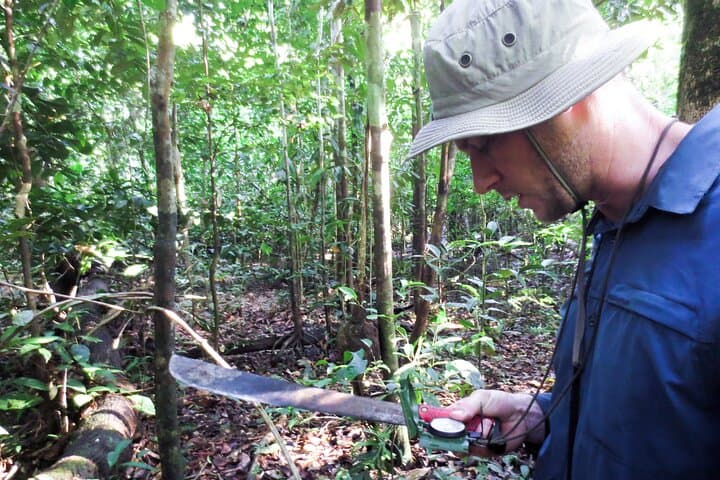
You step off the motorboat into a humid chorus: insects tuning, distant birdcalls, and the river itself daring you to move deeper. The village house where the course begins smells of smoked fish and fresh-cut palm; guides hand over machetes and a simple map of the channels you’ll learn to read.
You step off the motorboat into a humid chorus: insects tuning, distant birdcalls, and the river itself daring you to move deeper. The village house where the course begins smells of smoked fish and fresh-cut palm; guides hand over machetes and a simple map of the channels you’ll learn to read.
This region around Iquitos grew from river trade and the rubber boom of the late 19th century; today small riverside communities balance traditional lifeways with tourism. Geologically, the Amazon basin is young and flat — sediments shifted by seasonal floods carve oxbow lakes and muddy banks that become highways in the wet months. Local instructors, often from indigenous backgrounds, teach identification of plants used for medicine and food, and practical skills born of generations living with the river.
Over five days you’ll build shelters, make fires without modern tinder, improvise fishing gear, construct flotation devices and navigate by natural signs. Nights are raw: stars hidden by canopy, the river’s current like a living thing pushing and pulling. Expect simple village houses, jungle bivouacs, and meals drawn from what you catch or gather.
Practical guidance: arrive rested in Iquitos a day early, bring durable high-ankle boots, insect protection and a reliable headlamp. Hydration and sun/rain layering matter — the weather can flip within hours. Medical conditions are taken seriously; disclose allergies and passport details in advance. The program supports local villages and issues a certificate on return to Iquitos, but remember this is a skills-focused, low-comfort course that asks you to rely on the environment rather than avoid it.