THE ADVENTURE COLLECTIVE® · Independent discovery and booking for outdoor travel

A five-day, four-night jungle expedition out of Iquitos that combines river canoeing, camping, and guided wildlife walks. Expect close encounters with dolphins, monkeys and hoatzin while staying at a simple eco-lodge and remote camp sites.
A five-day, four-night jungle expedition out of Iquitos that combines river canoeing, camping, and guided wildlife walks. Expect close encounters with dolphins, monkeys and hoatzin while staying at a simple eco-lodge and remote camp sites.
Morning fog lifts off the Amazon as a wooden skiff pushes away from Nanay Port; the river pulls you deeper into a green place that moves—vines sweep, water channels fork, and birds call like punctuation marks. Over five days and four nights at an eco-lodge outside Iquitos you switch between canoe, boardwalk and tent: daytime boat runs scanning for pink river dolphins and herons, twilight treks hunting frogs and nocturnal rodents, and a night under canvas beneath the thick, humid canopy.
Verified experiences and guided adventures in the surrounding area.
Operated by Amazon Wonder Expeditions · Iquitos, Loreto
Morning fog lifts off the Amazon as a wooden skiff pushes away from Nanay Port; the river pulls you deeper into a green place that moves—vines sweep, water channels fork, and birds call like punctuation marks. Over five days and four nights at an eco-lodge outside Iquitos you switch between canoe, boardwalk and tent: daytime boat runs scanning for pink river dolphins and herons, twilight treks hunting frogs and nocturnal rodents, and a night under canvas beneath the thick, humid canopy.
This stretch of northeastern Peru sits on the Amazon Basin’s alluvial plain, where seasonal flooding sculpts oxbow lakes and exposes the giant Lupuna trees that define the landscape. Iquitos itself rose as a 19th-century river boomtown and remains a gateway culture—mestizo river communities, Quechua and other Amazonian groups, and bilingual guides who translate both language and landscape.
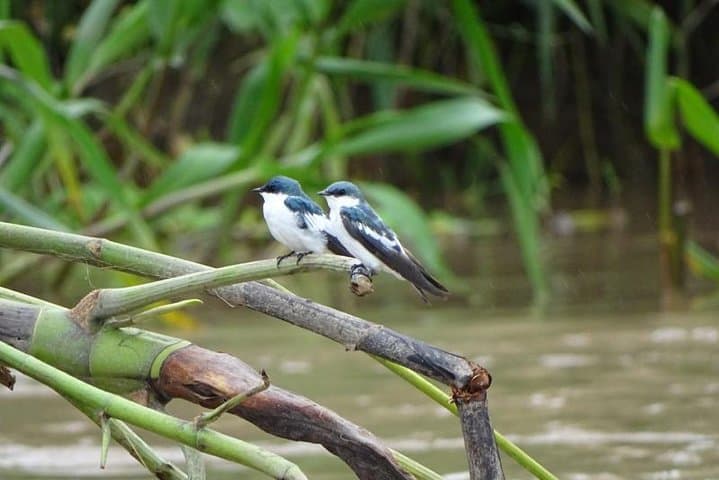
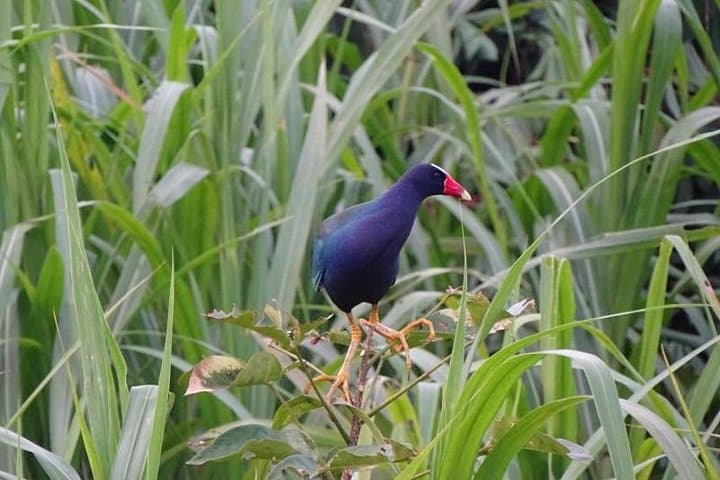
Expect steady humidity, dense understory walking (short to moderate jungle treks), canoe navigation through narrow channels, and close wildlife encounters: monkeys on riverside limbs, the prehistoric hoatzin by lagoons, and occasional river turtles. Guides set up camping on remote sandbars and walk trails to canopy towers for birdwatching.
Practical edge: pack quick-dry layers, treat drinking water if uncertain, and plan for mosquito-heavy evenings—repellent and netting are standard. Days are best for wildlife viewing; nights for listening. The itinerary includes transport from Iquitos, most meals, bilingual naturalists, and basic camping gear—so focus on comfortable footwear, rain protection and a good headlamp. Leave no trace and follow guide instructions: the jungle is generous but exacting.
moderate.
5 days (4 nights).
Moderate—comfortable walking 1–4 miles on uneven, muddy jungle trails and climbing short towers; able to sleep in basic camping conditions.
Vaccinations recommended for travel to Peruvian Amazon often include routine immunizations and yellow fever; consult a travel clinic well before departure for personalized advice.
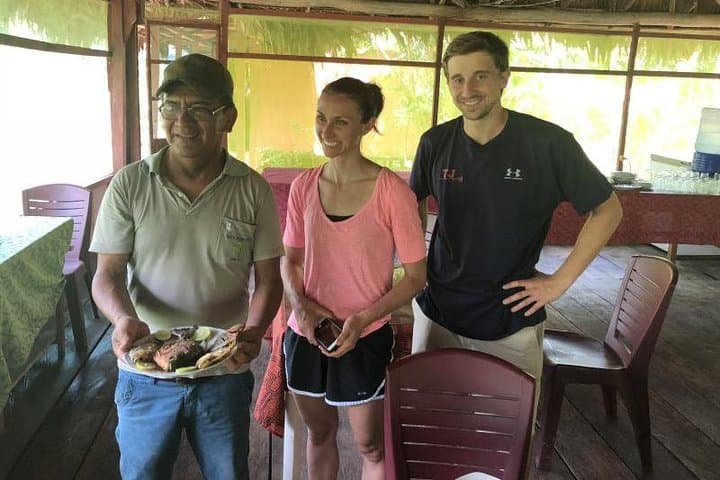
Accommodation alternates between a basic eco-lodge with mosquito nets and shared facilities, and organized overnight camping at remote sites using provided gear and guide support.
The tour is family-friendly but involves uneven terrain, canoe transfers and basic camping; travelers with mobility limitations should consult the operator about specific accessibility needs.
Operators typically limit luggage to a soft duffel for boat storage; laundry may be limited—pack essentials and quick-dry clothing for the duration.
Iquitos grew as a river trading post during the rubber boom and remains a river-city crossroads where Amazonian traditions meet mestizo and mestiza communities.
Seasonal flooding and tourism pressure affect riverbank habitats; choose operators supporting local communities, avoid single-use plastics, and follow guides to minimize trail and wildlife disturbance.
Amazon Wonder Expeditions operates guided outdoor trips and adventures with an emphasis on safety, stewardship, and memorable experiences.
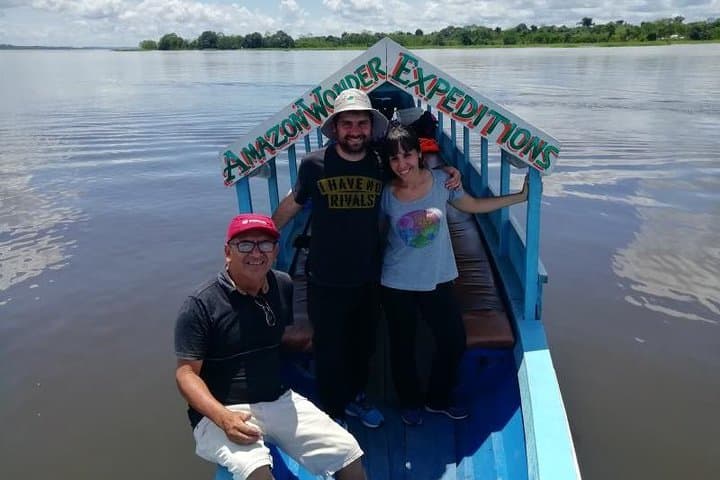
Morning fog lifts off the Amazon as a wooden skiff pushes away from Nanay Port; the river pulls you deeper into a green place that moves—vines sweep, water channels fork, and birds call like punctuation marks. Over five days and four nights at an eco-lodge outside Iquitos you switch between canoe, boardwalk and tent: daytime boat runs scanning for pink river dolphins and herons, twilight treks hunting frogs and nocturnal rodents, and a night under canvas beneath the thick, humid canopy.
Morning fog lifts off the Amazon as a wooden skiff pushes away from Nanay Port; the river pulls you deeper into a green place that moves—vines sweep, water channels fork, and birds call like punctuation marks. Over five days and four nights at an eco-lodge outside Iquitos you switch between canoe, boardwalk and tent: daytime boat runs scanning for pink river dolphins and herons, twilight treks hunting frogs and nocturnal rodents, and a night under canvas beneath the thick, humid canopy.
This stretch of northeastern Peru sits on the Amazon Basin’s alluvial plain, where seasonal flooding sculpts oxbow lakes and exposes the giant Lupuna trees that define the landscape. Iquitos itself rose as a 19th-century river boomtown and remains a gateway culture—mestizo river communities, Quechua and other Amazonian groups, and bilingual guides who translate both language and landscape.
Expect steady humidity, dense understory walking (short to moderate jungle treks), canoe navigation through narrow channels, and close wildlife encounters: monkeys on riverside limbs, the prehistoric hoatzin by lagoons, and occasional river turtles. Guides set up camping on remote sandbars and walk trails to canopy towers for birdwatching.
Practical edge: pack quick-dry layers, treat drinking water if uncertain, and plan for mosquito-heavy evenings—repellent and netting are standard. Days are best for wildlife viewing; nights for listening. The itinerary includes transport from Iquitos, most meals, bilingual naturalists, and basic camping gear—so focus on comfortable footwear, rain protection and a good headlamp. Leave no trace and follow guide instructions: the jungle is generous but exacting.