THE ADVENTURE COLLECTIVE® · Independent discovery and booking for outdoor travel

Trade Quito’s highland air for the dense, living green of the Napo River basin on a five-day package to Suchipakari Lodge. Expect guided jungle treks, canoe rides, community visits and a hands-on look at rescue and conservation work.
Trade Quito’s highland air for the dense, living green of the Napo River basin on a five-day package to Suchipakari Lodge. Expect guided jungle treks, canoe rides, community visits and a hands-on look at rescue and conservation work.
A humid dawn breaks as the shared transfer slips away from Quito’s highlands and the road folds into cloud forest, then opens toward the broad, brown shoulders of the Napo River. By late afternoon visitors arrive at Suchipakari Jungle Lodge where the air smells of wet earth and wood smoke, and guides already wait with rubber boots and a plan for the next five days.
Verified experiences and guided adventures in the surrounding area.
Operated by Live Ecuador Tours · Tena, Napo
A humid dawn breaks as the shared transfer slips away from Quito’s highlands and the road folds into cloud forest, then opens toward the broad, brown shoulders of the Napo River. By late afternoon visitors arrive at Suchipakari Jungle Lodge where the air smells of wet earth and wood smoke, and guides already wait with rubber boots and a plan for the next five days.
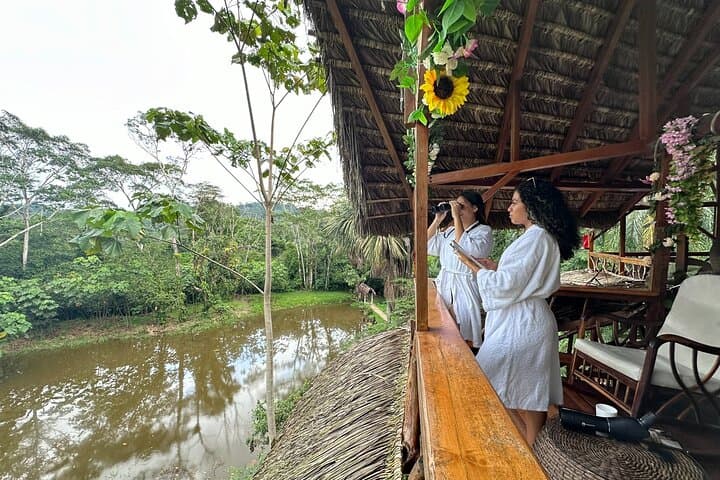
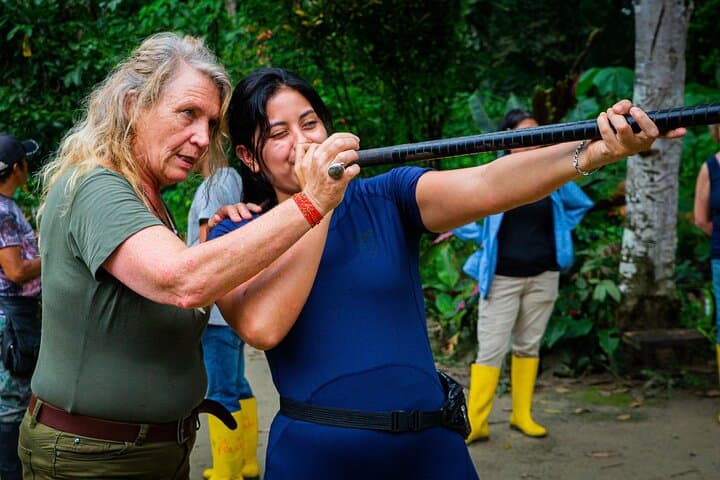
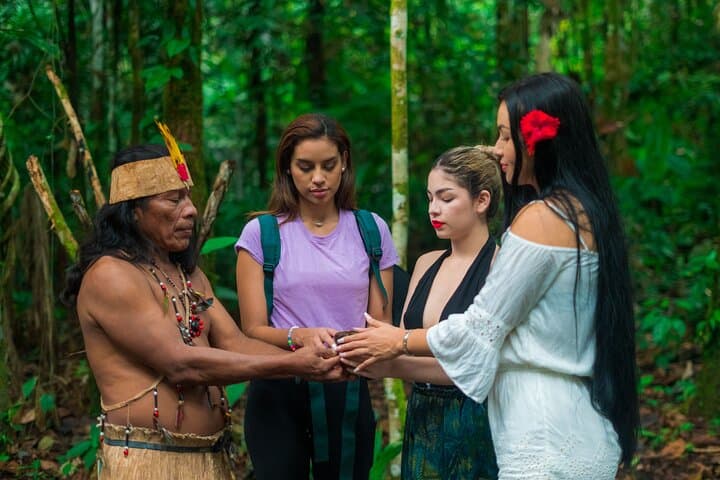
The itinerary threads active rainforest hikes, river canoeing and tubing, nocturnal walks and community visits through primary Amazon forest on the Napo — one of the basin’s largest tributaries. Geologically the region sits on alluvial plains fed by Andean runoff; rivers carve channels and create oxbow lagoons that host caiman and wading birds. Culturally, local Kichwa families still tend cassava and cacao; guests can watch traditional ceramics and taste chicha and fresh chocolate produced on-site.
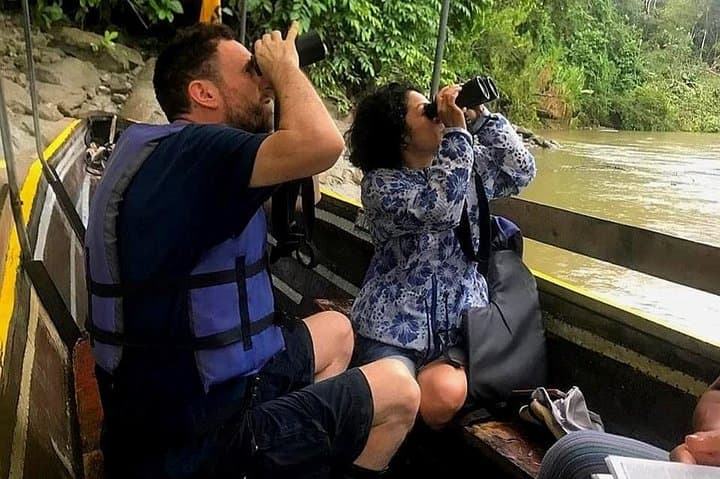
Wildlife encounters are frequent but variable: howler and capuchin monkeys, macaws, and the occasional tapir or sloth are common sights; a guided visit to AmaZoonico explains regional rescue and conservation challenges.
Practical guidance: pack quick-dry layers, a lightweight rain shell and rubber boots—the trails are often muddy and breakfasts come early. Day hikes range from 1.5–4 hours on slippery, rooty trails; river activities require life jackets and basic swimming confidence. Expect simple lodge accommodations with hot water, full board meals and bilingual guides. Plan for humidity, insect pressure and intermittent cell service; bring cash for tips and small purchases. Arriving from Quito, allow buffer time for mountain-to-jungle travel and embrace a slower, wetter tempo once you reach the river.
moderate.
4–5 days.
Suitable for travelers in reasonable aerobic shape who can walk 1.5–4 hours on uneven, muddy trails; basic swimming confidence for river activities.
Shared or private transfers run overland from Quito via Baeza and Tena; the itinerary typically includes a seat on a shared vehicle with guide handoff in Tena.
Vaccination requirements vary by country; hepatitis A and routine vaccines are recommended and many travelers take antimalarial medication — consult a travel clinic for personalized advice.
Yes — the program lists suitability for all fitness levels and offers shorter walks for children; check specific age restrictions for rafting or technical activities.
Yes — the lodge allows daily customization and offers extra-charge options including graded rafting, cave tours and canyoning; discuss choices with the on-site guide.
The area is part of traditional Kichwa territory where cacao and cassava cultivation and river transport shaped local livelihoods for generations.
Visiting AmaZoonico and using guided, small-group tours supports local rescue work and community-based conservation; practice Leave No Trace and minimize single-use plastics.
Live Ecuador Tours operates guided outdoor trips and adventures with an emphasis on safety, stewardship, and memorable experiences.
A humid dawn breaks as the shared transfer slips away from Quito’s highlands and the road folds into cloud forest, then opens toward the broad, brown shoulders of the Napo River. By late afternoon visitors arrive at Suchipakari Jungle Lodge where the air smells of wet earth and wood smoke, and guides already wait with rubber boots and a plan for the next five days.
A humid dawn breaks as the shared transfer slips away from Quito’s highlands and the road folds into cloud forest, then opens toward the broad, brown shoulders of the Napo River. By late afternoon visitors arrive at Suchipakari Jungle Lodge where the air smells of wet earth and wood smoke, and guides already wait with rubber boots and a plan for the next five days.
The itinerary threads active rainforest hikes, river canoeing and tubing, nocturnal walks and community visits through primary Amazon forest on the Napo — one of the basin’s largest tributaries. Geologically the region sits on alluvial plains fed by Andean runoff; rivers carve channels and create oxbow lagoons that host caiman and wading birds. Culturally, local Kichwa families still tend cassava and cacao; guests can watch traditional ceramics and taste chicha and fresh chocolate produced on-site.
Wildlife encounters are frequent but variable: howler and capuchin monkeys, macaws, and the occasional tapir or sloth are common sights; a guided visit to AmaZoonico explains regional rescue and conservation challenges.
Practical guidance: pack quick-dry layers, a lightweight rain shell and rubber boots—the trails are often muddy and breakfasts come early. Day hikes range from 1.5–4 hours on slippery, rooty trails; river activities require life jackets and basic swimming confidence. Expect simple lodge accommodations with hot water, full board meals and bilingual guides. Plan for humidity, insect pressure and intermittent cell service; bring cash for tips and small purchases. Arriving from Quito, allow buffer time for mountain-to-jungle travel and embrace a slower, wetter tempo once you reach the river.