THE ADVENTURE COLLECTIVE® · Independent discovery and booking for outdoor travel

A five-day loop from Cusco through the Sacred Valley to Machu Picchu and the living Inca bridge of Q’eswachaca. Expect highland archaeology, steep terraces, cloud-forest approaches and practical advice for altitude and ticketing.
A five-day loop from Cusco through the Sacred Valley to Machu Picchu and the living Inca bridge of Q’eswachaca. Expect highland archaeology, steep terraces, cloud-forest approaches and practical advice for altitude and ticketing.
Dawn in Cusco is thin air and warm light — a patchwork of colonial red tile roofs and Inca stone leaning into the Andes. You climb into an air-conditioned van and the city slips behind you as terraces and the Sacred Valley unfold; rivers braid the valley floor and mountains press close, daring you forward.
Verified experiences and guided adventures in the surrounding area.
Operated by Chullos Travel Peru · Cusco, Cusco
Dawn in Cusco is thin air and warm light — a patchwork of colonial red tile roofs and Inca stone leaning into the Andes. You climb into an air-conditioned van and the city slips behind you as terraces and the Sacred Valley unfold; rivers braid the valley floor and mountains press close, daring you forward.
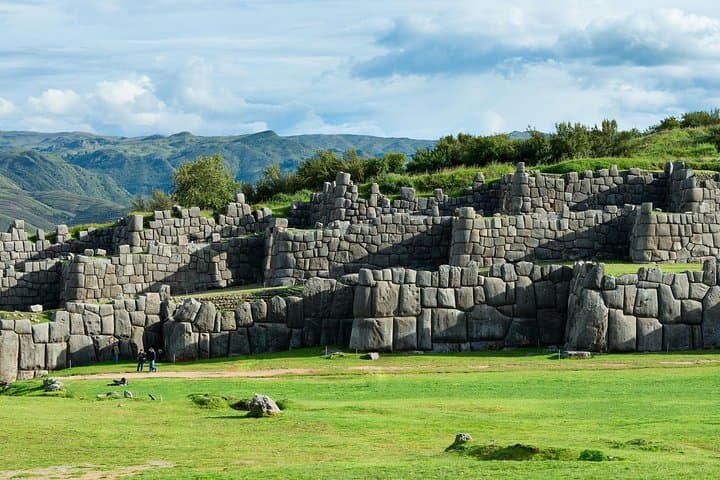
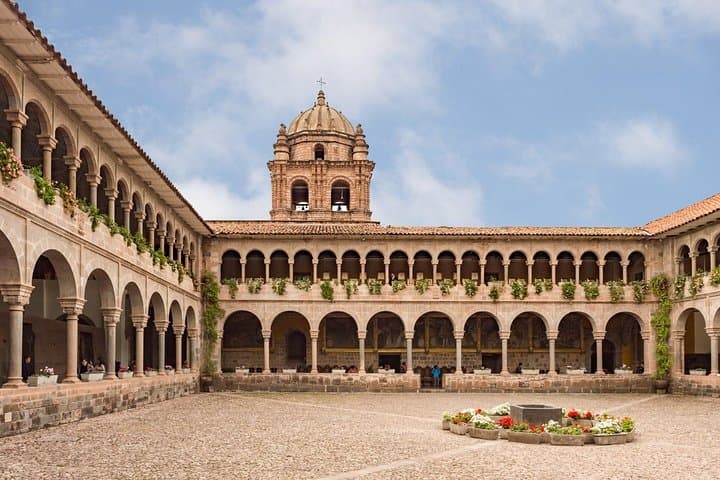
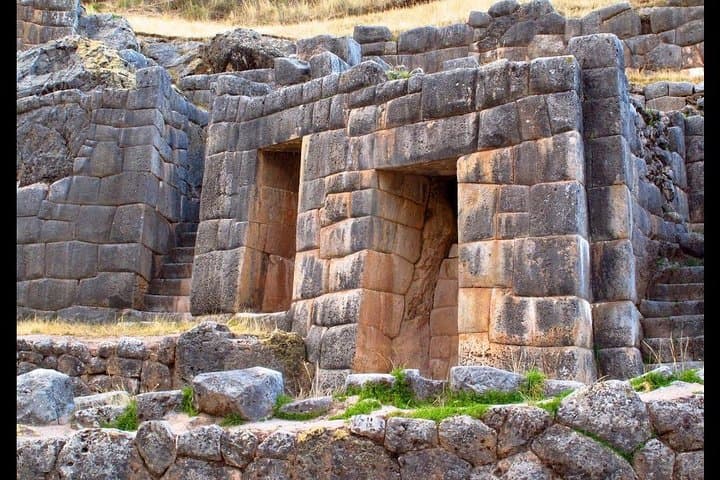
The route threads through millennia: Koricancha’s finely cut stones, Sacsayhuamán’s bulging ramparts and the high terraces of Pisac speak to Inca engineering shaped by geology — folded strata, deep river gorges, and the volcanic soils that feed the highlands. In Aguas Calientes the cloud forest smells of wet earth and orchids; Machu Picchu perches where granite ridges meet steep valley walls, a city sited for drainage, views, and ritual.
Culture is present in practical rituals: annual maintenance of Q’eswachaca’s ichu bridge, the market stalls in Ollantaytambo, and shared meals of quinoa, potatoes and cuy in local homes. Expect guided walks at archaeological sites, a train through the Urubamba gorge, a dawn bus to Machu Picchu, and time to absorb terraces and viewpoints rather than a forced schedule.
Practical guidance: acclimatize in Cusco for at least a day, sip coca tea, and pack layers for rapid weather shifts. Trails at altitude can be steep and uneven; bring sturdy footwear, sun protection and a small daypack. Tickets for Machu Picchu are controlled by Peru’s Ministry of Culture — confirm availability early. Plan travel windows rather than rigid timelines; the mountains move at their own pace.
moderate.
5 days.
Moderate fitness required: able to walk several hours over uneven ground at altitude; basic cardiovascular preparedness recommended.
The tour states Machu Picchu tickets are included when available; tickets are issued by the Ministry of Culture and may be Circuit 1 or 2 depending on availability — if no tickets are available you should receive a full refund.
Acclimatize with a day in Cusco, stay hydrated, avoid heavy exertion the first day, use coca tea or tablets as recommended by a physician, and consult medical help if symptoms worsen.
The itinerary uses air-conditioned vehicles for road transfers, local trains between Ollantaytambo and Aguas Calientes, and shuttle buses to Machu Picchu from Aguas Calientes.
The package includes breakfasts for four mornings, three lunches, and 3-star hotel accommodations in Cusco and Aguas Calientes as listed in the itinerary.
Cusco was the administrative and spiritual heart of the Inca empire; many sites on this itinerary were part of a linked network of roads, terraces and ritual centers.
Machu Picchu and surrounding areas are regulated to limit visitor impact; support local communities by following trail rules, avoiding single-use plastics and respecting seasonal bridge rituals like Q’eswachaca’s annual renewal.
Chullos Travel Peru operates guided outdoor trips and adventures with an emphasis on safety, stewardship, and memorable experiences.
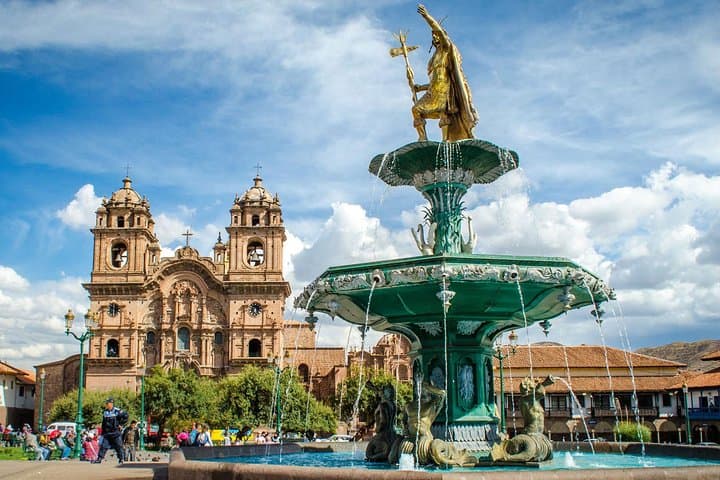
Dawn in Cusco is thin air and warm light — a patchwork of colonial red tile roofs and Inca stone leaning into the Andes. You climb into an air-conditioned van and the city slips behind you as terraces and the Sacred Valley unfold; rivers braid the valley floor and mountains press close, daring you forward.
Dawn in Cusco is thin air and warm light — a patchwork of colonial red tile roofs and Inca stone leaning into the Andes. You climb into an air-conditioned van and the city slips behind you as terraces and the Sacred Valley unfold; rivers braid the valley floor and mountains press close, daring you forward.
The route threads through millennia: Koricancha’s finely cut stones, Sacsayhuamán’s bulging ramparts and the high terraces of Pisac speak to Inca engineering shaped by geology — folded strata, deep river gorges, and the volcanic soils that feed the highlands. In Aguas Calientes the cloud forest smells of wet earth and orchids; Machu Picchu perches where granite ridges meet steep valley walls, a city sited for drainage, views, and ritual.
Culture is present in practical rituals: annual maintenance of Q’eswachaca’s ichu bridge, the market stalls in Ollantaytambo, and shared meals of quinoa, potatoes and cuy in local homes. Expect guided walks at archaeological sites, a train through the Urubamba gorge, a dawn bus to Machu Picchu, and time to absorb terraces and viewpoints rather than a forced schedule.
Practical guidance: acclimatize in Cusco for at least a day, sip coca tea, and pack layers for rapid weather shifts. Trails at altitude can be steep and uneven; bring sturdy footwear, sun protection and a small daypack. Tickets for Machu Picchu are controlled by Peru’s Ministry of Culture — confirm availability early. Plan travel windows rather than rigid timelines; the mountains move at their own pace.