THE ADVENTURE COLLECTIVE® · Independent discovery and booking for outdoor travel

A classic five-day loop from Nairobi through Aberdare, Lake Nakuru and the Masai Mara—this safari pairs forest and highland game viewing with Rift Valley birdlife and the plains spectacle of the Mara. Expect early starts, long drives, and world-class wildlife viewing.
A classic five-day loop from Nairobi through Aberdare, Lake Nakuru and the Masai Mara—this safari pairs forest and highland game viewing with Rift Valley birdlife and the plains spectacle of the Mara. Expect early starts, long drives, and world-class wildlife viewing.
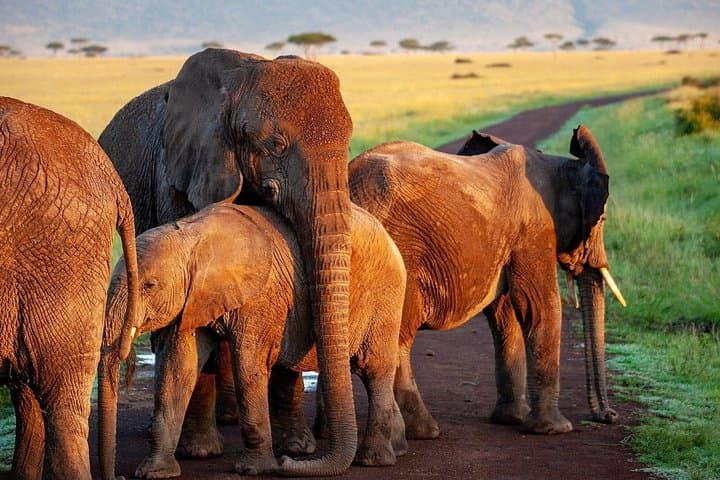
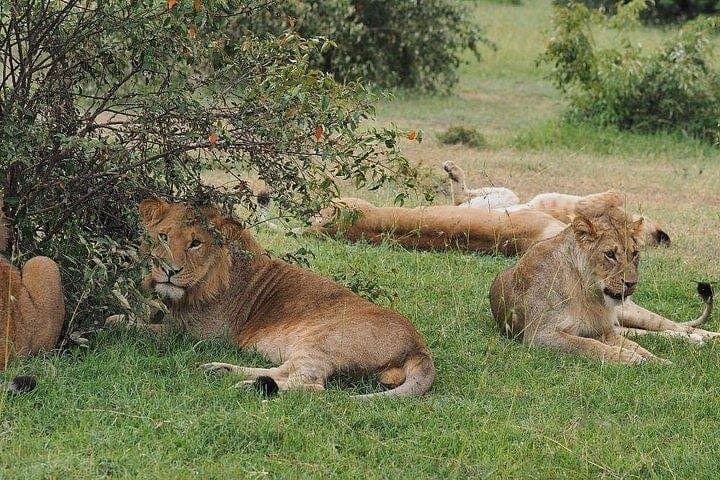
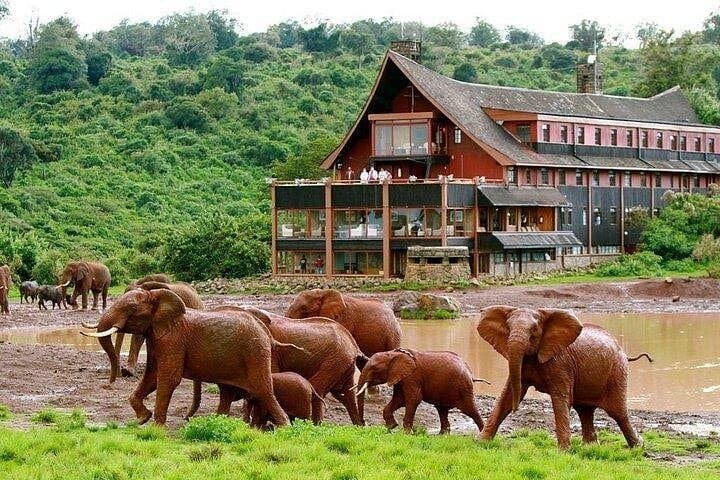
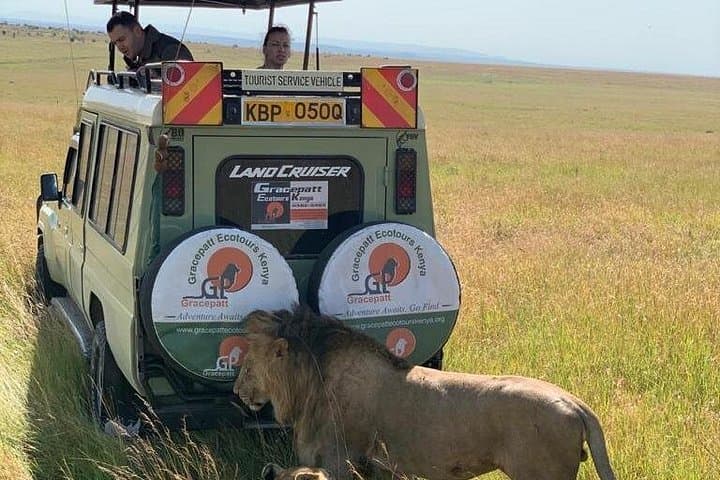
Dawn breaks over the red dust road out of Nairobi and the Land Cruiser hums toward high moorland. By midmorning the Aberdare slopes pull taut with mist; elephants push through tangled forest and the lodge balconies frame brushes of movement below. The trip moves southward into the Rift Valley — Thompson Falls flashes like a breath across the escarpment — then onto Lake Nakuru where a rim of flamingos ribbons the shallows. Finally the Mara opens, grassland wind pushing the Mara River through hippo pools while acacia silhouettes mark the horizon.
Verified experiences and guided adventures in the surrounding area.
Operated by Muringa Kenya Tours & Safaris Ltd · Nairobi, Nairobi County
Dawn breaks over the red dust road out of Nairobi and the Land Cruiser hums toward high moorland. By midmorning the Aberdare slopes pull taut with mist; elephants push through tangled forest and the lodge balconies frame brushes of movement below. The trip moves southward into the Rift Valley — Thompson Falls flashes like a breath across the escarpment — then onto Lake Nakuru where a rim of flamingos ribbons the shallows. Finally the Mara opens, grassland wind pushing the Mara River through hippo pools while acacia silhouettes mark the horizon.
Geology here is bold: the Great Rift Valley’s fault lines escarp the landscape and feed alkaline lakes that host millions of birds. Culturally the route crosses Maasai grazing land and Kikuyu farming country; local guides translate both oral history and spoor. Aberdare’s high forests shelter rare species, Nakuru’s alkaline basin draws waterfowl, and the Masai Mara concentrates grazers and the predators that follow.
Practically: expect long transit days with multiple game drives, early mornings, and picnic lunches by rivers. Vehicle access is the norm; be ready to rise before sunrise for peak activity. Bring binoculars, layered clothing for cool mornings and hot afternoons, sun protection, and a small daypack for cameras and water. Observe guide briefings: windows up for lions, quiet voices during stalks, and keep a respectful distance from communities you pass. With basic mobility and a tolerance for dusty roads, travelers will experience the region’s richest wildlife systems and the human landscapes that steward them.
moderate.
5 days.
Suitable for travelers in general good health able to board vehicles, handle multi-hour drives and short walks at game-viewing stops
Consult your healthcare provider; yellow fever vaccination may be required if arriving from certain countries and malaria prophylaxis is commonly recommended for these regions.
The Mara hosts migration action typically July–October when large herds cross into Kenya from the Serengeti; outside those months resident predators and plains game remain plentiful.
This itinerary lists meals and accommodations as included in the programme; confirm park entry fees and any optional activities at booking.
The tour notes it is suitable for all fitness levels, but long drives and bumpy tracks may be uncomfortable for very young children or those with mobility limitations—discuss pickups and vehicle access when booking.
The Great Rift Valley shaped settlement and water patterns here; Maasai and Kikuyu peoples have long histories of pastoralism and agriculture across these landscapes.
All three parks work with Kenyan authorities and conservancies to manage human-wildlife conflict and tourism pressure—travelers should follow guide instructions to minimize disturbance and support park fees that fund conservation.
Muringa Kenya Tours & Safaris Ltd operates guided outdoor trips and adventures with an emphasis on safety, stewardship, and memorable experiences.
Dawn breaks over the red dust road out of Nairobi and the Land Cruiser hums toward high moorland. By midmorning the Aberdare slopes pull taut with mist; elephants push through tangled forest and the lodge balconies frame brushes of movement below. The trip moves southward into the Rift Valley — Thompson Falls flashes like a breath across the escarpment — then onto Lake Nakuru where a rim of flamingos ribbons the shallows. Finally the Mara opens, grassland wind pushing the Mara River through hippo pools while acacia silhouettes mark the horizon.
Dawn breaks over the red dust road out of Nairobi and the Land Cruiser hums toward high moorland. By midmorning the Aberdare slopes pull taut with mist; elephants push through tangled forest and the lodge balconies frame brushes of movement below. The trip moves southward into the Rift Valley — Thompson Falls flashes like a breath across the escarpment — then onto Lake Nakuru where a rim of flamingos ribbons the shallows. Finally the Mara opens, grassland wind pushing the Mara River through hippo pools while acacia silhouettes mark the horizon.
Geology here is bold: the Great Rift Valley’s fault lines escarp the landscape and feed alkaline lakes that host millions of birds. Culturally the route crosses Maasai grazing land and Kikuyu farming country; local guides translate both oral history and spoor. Aberdare’s high forests shelter rare species, Nakuru’s alkaline basin draws waterfowl, and the Masai Mara concentrates grazers and the predators that follow.
Practically: expect long transit days with multiple game drives, early mornings, and picnic lunches by rivers. Vehicle access is the norm; be ready to rise before sunrise for peak activity. Bring binoculars, layered clothing for cool mornings and hot afternoons, sun protection, and a small daypack for cameras and water. Observe guide briefings: windows up for lions, quiet voices during stalks, and keep a respectful distance from communities you pass. With basic mobility and a tolerance for dusty roads, travelers will experience the region’s richest wildlife systems and the human landscapes that steward them.